
Livraison le jour même ou le lendemain

Qualité garantie

Débloquez vos offres de bienvenue: Livraison GRATUITE | Jusqu'à -80 % | 30 jours d'essai gratuits à JoyPlus
Téléchargez l'application
A typo on a keyboard is gone with a click. On paper, it's a different story: the smallest mistake can ruin a document, a planner page, or a set of study notes. That's where the erasable pen comes in as an essential tool. It bridges the gap between the fluidity of handwriting and the flexibility of digital editing.
This guide is designed to help you find the perfect writing instrument for your needs. We'll break down the key criteria for choosing a great erasable pen and introduce you to our favourite models, because for every task, there's a perfect pen.
Before you start shopping, let's review the key features that truly set different models apart.
The most common technology, popularised by models like the Pilot FriXion, relies on thermosensitive ink. In practice, the pen's rubber tip doesn't erase the ink like a pencil; it generates heat through friction, which makes the ink invisible. The advantage of this method is that it doesn't damage the paper or leave any residue. The quality of this tip is therefore a crucial point to check to ensure clean, repeated corrections.
For erasable models, the gel ink pen has become the standard. This ink provides vibrant colours and a very pleasant glide, making it an ideal companion for a bullet journal or colourful note-taking. In contrast, classic ballpoint pens (non-erasable) use more durable, water-resistant ink, which makes them better suited for official documents.
Choosing a refillable pen is a smart move for both your wallet and the planet. Instead of throwing away the entire pen when the ink runs out, you simply replace the cartridge. This is a huge plus, especially for school supplies, a budget category where pens often run out at lightning speed.
To help you move from theory to practice, here is our selection of pens that meet a variety of needs, from simple corrections to everyday writing.
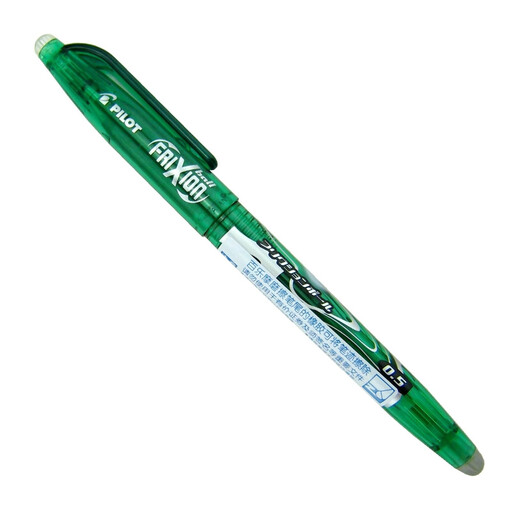
Why it stands out: It's THE gold standard for erasable pens. Its phenomenal success is built on its thermosensitive ink technology: write, erase, and rewrite instantly in the same spot, without leaving a trace or damaging the paper.
Pros:
Who is it for? It's perfect for students, professionals who like to annotate documents, and bullet journal enthusiasts looking for flexibility and pristine pages.
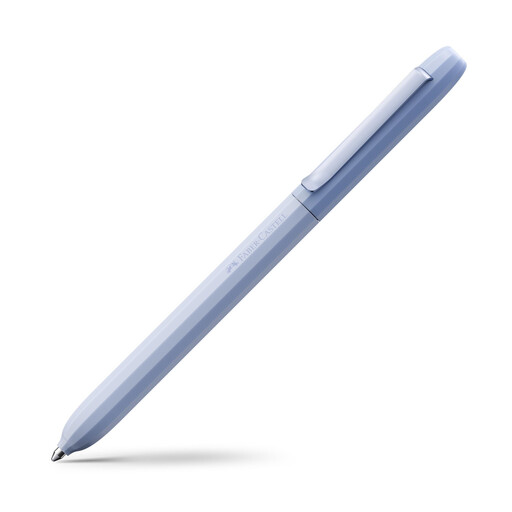
Why it stands out: Although not erasable, this ballpoint pen will appeal to those who prioritise sustainability and a sleek design. Its barrel is made from 92% recycled plastic, and its faceted silhouette is as ergonomic as it is modern.
Pros:
Who is it for? The ideal writing companion for professionals and lovers of beautiful objects who are looking for a reliable, elegant, and durable pen for daily use.
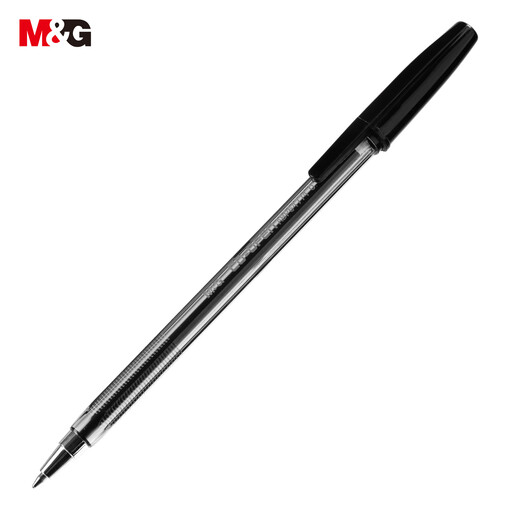
Why it stands out: To stock an office, a classroom, or the whole family without breaking the bank, this 40-pack of ballpoint pens (non-erasable) is the ultimate budget-friendly solution.
Pros:
Who is it for? The perfect solution for schools, businesses, and anyone who needs a large stock of simple, effective, and cost-efficient pens.
Our selection covers the most common needs, but the world of writing is endless. If you want to discover a wider range of models, colours, and tip types, take a look at our complete Ballpoint Pens category.
1. Can the ink from an erasable pen reappear? Yes, if it's a thermosensitive ink like the one in the Pilot FriXion. The ink becomes invisible above 60°C (140°F). Conversely, it can reappear if the document is exposed to intense cold (by placing it in the freezer for a few minutes, for example). This is why you should never use an erasable pen to sign official documents, contracts, or checks.
2. Does an erasable pen damage the paper? No, because its mechanism is nothing like a traditional eraser. The pen's tip heats the ink through friction to make it disappear, a process that doesn't alter the paper fibres at all. You can therefore correct the same spot multiple times without fear of tearing the page.
3. Can you use an erasable pen for an official exam? It is strongly discouraged. Most exam regulations require permanent, non-erasable ink (black or blue). The thermosensitive nature of the ink makes it unsuitable for documents that need to be archived, scanned, or have legal standing. As a precaution, always check the specific rules for the test and opt for a classic pen.