
Livraison le jour même ou le lendemain

Qualité garantie

Débloquez vos offres de bienvenue: Livraison GRATUITE | Jusqu'à -80 % | 30 jours d'essai gratuits à JoyPlus
Téléchargez l'application
Choosing an electric toothbrush can quickly become a headache. Faced with a jungle of technologies and features, it's hard to know where to start: sonic, oscillating-rotating, smart, whitening... This guide is here to clear things up and help you find the model that perfectly meets your needs and oral health requirements.
As a product expert at Joybuy, my mission is to decode the market to give you clear, objective buying advice. Let us guide you to make the right choice with complete peace of mind.
Before diving into our selection, here are a few key criteria to keep in mind to guide your decision.
The famous Philips Sonicare vs Oral-B debate really comes down to a duel between two distinct technologies:
The choice between a sonic toothbrush and an oscillating-rotating one ultimately comes down to your personal preference and gum sensitivity.
Recent models have become true personal coaches thanks to their advanced features. A smart toothbrush can radically transform your brushing habits.
For frequent travellers or simply for those who hate dealing with chargers, battery life is a key criterion. Some models last for several weeks, or even months, on a single charge. The inclusion of a travel case, ideally with a charging function, is a major plus for maintaining impeccable hygiene wherever you are.
This electric toothbrush comparison reviews three models that stand out for their technology, features, and target audience.
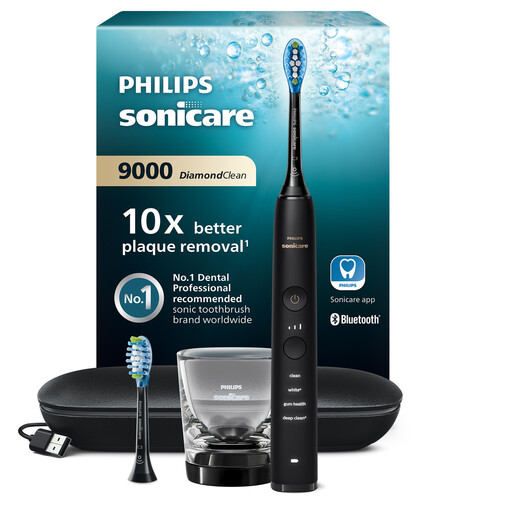
Why this model stands out
The DiamondClean 9000 is the perfect balance of cleaning performance, premium design, and smart connectivity. It leverages Philips' sonic technology for a brush that is both powerful and gentle, while offering a customisable and guided user experience via its app.
Highlights
Who is it for?
Those looking for a high-end experience, who appreciate beautiful objects and want personalised tracking to achieve specific goals (whitening, gum care, etc.). Reviews for the Philips DiamondClean 9000 often highlight its effectiveness and aesthetic appeal.
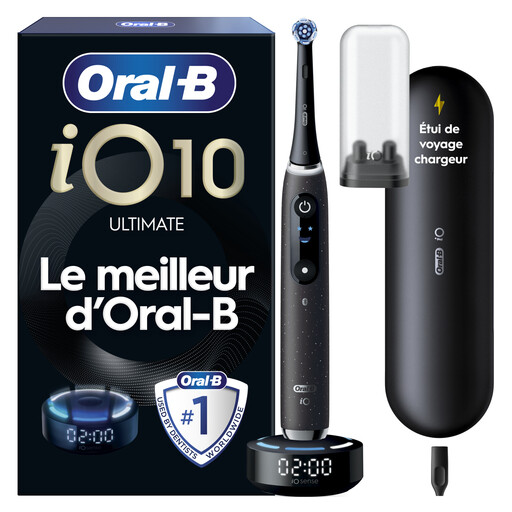
Why this model stands out
The Oral-B iO 10 represents the gold standard in real-time coaching. Its iO Sense smart charger doesn't just recharge the brush; it analyses your mouth in 3D across 6 zones and displays live feedback for incredibly precise brushing.
Highlights
Who is it for?
Tech enthusiasts who demand the most advanced guidance system on the market. If your goal is to eliminate all guesswork from your routine and get immediate feedback on every session, reviews of the Oral-B iO 10 confirm it: its coaching system is unparalleled.
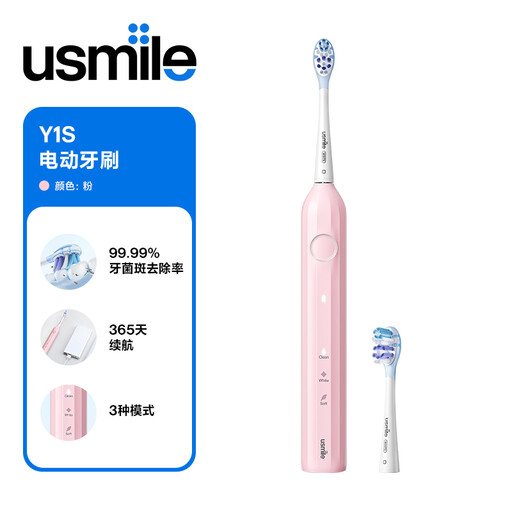
Why this model stands out
The usmile Y1S brush focuses on the essentials with formidable efficiency, but its masterstroke is its record-breaking battery life. A single charge can last up to 6 months, making it the top choice for travellers and anyone who hates dealing with cables.
Highlights
Who is it for?
Pragmatists, frequent travellers, and minimalists. If you're looking for a reliable, effective, and hassle-free electric toothbrush that you only need to charge twice a year, the usmile Y1S is the choice for peace of mind.
For nomads, a good travel case isn't a luxury. While some models include one by default, portable charging solutions are also available to complete your kit.
Discover our selection of charging travel cases to ensure you never run out of battery on the go.
1. What is the difference between a sonic and an oscillating-rotating toothbrush? A sonic toothbrush (e.g., Philips Sonicare) uses high-frequency vibrations to create a fluid cleaning action, often considered gentler. An oscillating-rotating brush (e.g., Oral-B) uses a round brush head that rotates and pulsates to mechanically clean each tooth. The final choice will depend on your sensitivity and the sensation you prefer while brushing.
2. Is a pressure sensor really useful? Yes, absolutely. Brushing too hard is a common mistake that damages enamel and gums. A pressure sensor provides real-time feedback to help you apply the right amount of force, protecting your smile in the long run. It is arguably one of the most useful features on a modern electric toothbrush.
3. How often should you change the brush head? The golden rule is to replace the brush head every three months, or as soon as the bristles are visibly worn (frayed or faded). Worn-out bristles are much less effective at removing plaque. Rest assured, most modern brushes include a reminder, either via an icon on the handle or directly in the app.