
Livraison le jour même ou le lendemain

Qualité garantie

Débloquez vos offres de bienvenue: Livraison GRATUITE | Jusqu'à -80 % | 30 jours d'essai gratuits à JoyPlus
Téléchargez l'application
Whether you're looking for a morning coffee substitute, a relaxing break, or simply a way to explore new flavours, dried flower infusions are all the rage. Making your own floral tea not only guarantees you have full control over the ingredients but also promises a journey back to authentic, natural tastes.
But with a rapidly growing market, how do you navigate the options?? This guide is here to help you choose high-quality dried flowers that are perfectly suited to your tastes, whether you're dreaming of a traditional bissap or a delicate floral infusion.
Before we reveal our top picks, here are a few key points to check to ensure you make the right choice.
The quality of a dried flower depends primarily on how it was grown and preserved. Prioritise flowers where the drying method is clearly stated. A natural, sun-drying process, for example, better preserves the aromas and colours. Also, ensure the product is made of 100?% flowers, with no added sugars, artificial flavours, or preservatives.
Not all dried edible flowers have the same profile.
Some dried flowers are incredibly versatile in the kitchen. Hibiscus, for example, isn't just for drinks. Its tart notes are perfect for making homemade syrups, jellies, or even for colouring and flavouring desserts. Choosing a versatile flower will open up a world of new recipes far beyond a simple infusion.
Here are the products that caught our eye for their quality and aromatic profile.
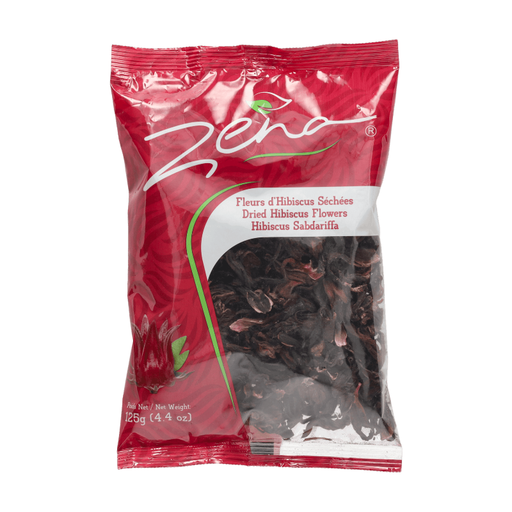
Why we love it
These dried hibiscus flowers are the essential ingredient for preparing bissap, the famous West African drink. Sun-dried, they release a distinctively tart flavour and an intense purple colour. The bag contains 100?% dried red hibiscus flowers, and nothing else.
Pros
Who is it for?? For lovers of bold, tart flavours, those who want to make authentic homemade bissap, or anyone looking for a colourful and flavourful base for summer iced drinks.
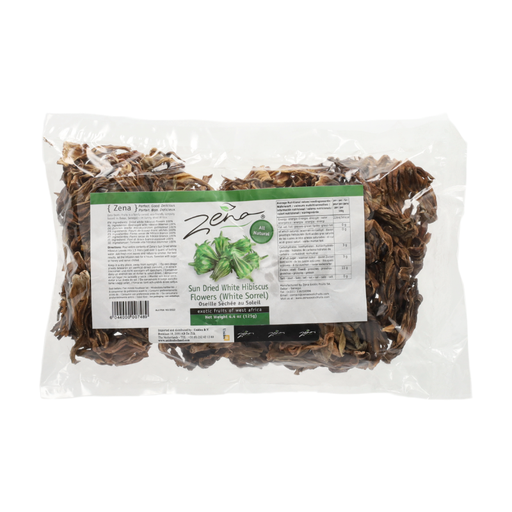
Why we love it
Lesser known than their red cousins, white hibiscus flowers offer a milder, more nuanced experience. Their flavour is less acidic, with more pronounced floral notes. They are an excellent alternative for those who find red hibiscus's bold character a bit intimidating. Simply infuse them in hot water, add a little fresh mint, and sweeten to your taste.
Pros
Who is it for?? Ideal for those looking for a floral tea with moderate acidity and subtle aromas. It's also a great entry point for discovering hibiscus gently.
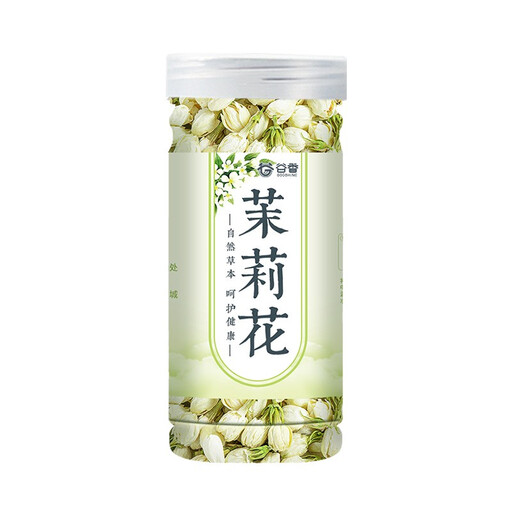
Why we love it
Dried jasmine flowers captivate with their enchanting and refined aroma. This product consists of selected jasmine flowers, packaged in a sealed container to preserve their delicate scent. They can be infused on their own for a light, relaxing drink or added to your own creations.
Pros
Who is it for?? For fans of delicate and fragrant floral infusions, as well as for creative types who want to make their own jasmine tea or add a floral touch to their pastries.
Our selection focuses on hibiscus and jasmine, but the world of floral infusions is vast. If you're curious to explore other flavours like rose, chamomile, or cornflower, there are many options available to you.
To broaden your horizons and find inspiration, feel free to browse our complete collection. Discover our selection of edible flowers for more options.
To preserve their aromas and colour, store your dried flowers for infusion in an airtight jar or container, away from light, heat, and moisture. A cool, dry kitchen cupboard is perfect.
Absolutely?! That's the beauty of homemade. You can create unique blends to suit your tastes. Some pairings always work, like jasmine with green tea, or hibiscus with mint and ginger. Don't hesitate to experiment with small quantities to find the perfect balance.
In common usage, the terms are often used interchangeably. To be precise, an infusion is the technique: pouring hot water over botanicals and letting them steep. A tisane (or herbal tea) is the name of the resulting drink made from plants other than the tea plant (Camellia sinensis). Therefore, a hibiscus or jasmine infusion is, technically, a tisane.