
Livraison le jour même ou le lendemain

Qualité garantie

Débloquez vos offres de bienvenue: Livraison GRATUITE | Jusqu'à -80 % | 30 jours d'essai gratuits à JoyPlus
Téléchargez l'application
Finding the right dog toy can quickly become a challenge. Between promises of durability and the jungle of available options, it's easy to end up with a toy that's destroyed in minutes or, worse, dangerous for your companion. It's a frustration many owners share: throwing money down the drain on a toy that just doesn't last.
To avoid falling into the same traps, let's review the most common mistakes.
Choosing well doesn't mean opting for the most expensive toy, but for the one that truly matches your pet's size, temperament, and needs.
To avoid being fooled by advertising slogans, focus on objective criteria. Here are the three essential points to check before you buy.
This is the number one criterion. Prioritise toys made from non-toxic, robust materials suited to your dog's jaw strength.
Always check for the "non-toxic" label and, ideally, ensure the product complies with European safety standards.
Every dog has its own way of chewing. Identifying your companion's style is crucial for choosing a dog chew toy that will last without becoming a hazard.
A toy isn't just for chewing. It's also a fantastic tool for mental stimulation and bonding.
Instead of a generic list, we've selected specific toys for each type of dog (and owner!), based on the objective criteria we've just covered.
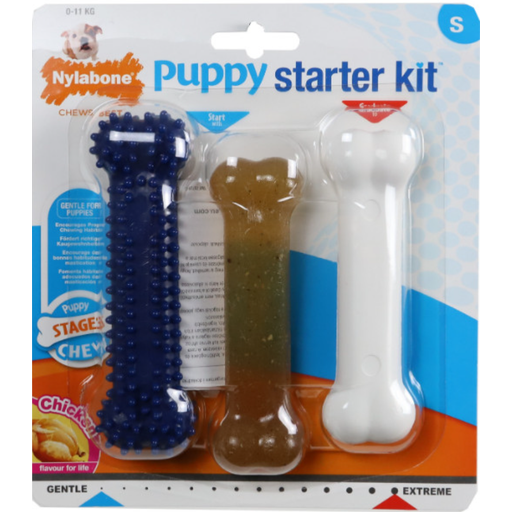
Why it's a great choice: This kit is specially designed to support a puppy through the different stages of teething. It offers toys with progressive hardness levels to soothe their gums without risking damage to their puppy teeth, and later, their adult teeth.
It avoids the "one-size-fits-all" toy trap by offering a progressive solution. Instead of a single toy that quickly becomes unsuitable, this kit adapts to the puppy's changing needs.
Includes 3 bones of varying hardness to adapt to the puppy's dental development. Made from quality nylon, a material renowned for its safety for puppies.
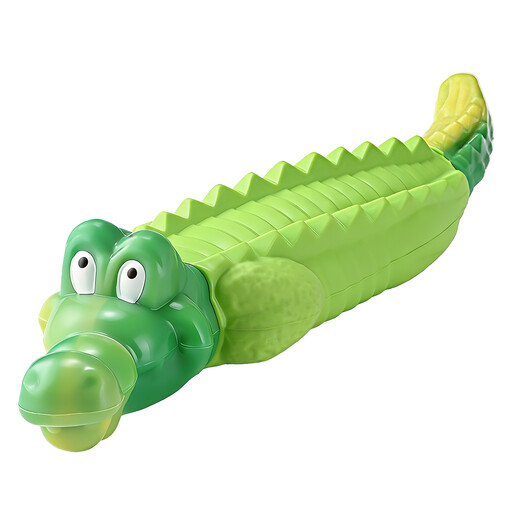
Why it's a great choice: Its dual-layer structure, with a hard nylon core and a softer natural rubber shell, is engineered to withstand extreme pressure. Its large size makes it suitable for medium to large breed dogs.
It doesn't just claim to be "indestructible." Its toughness is based on an engineered design (dual-layer) that combines hardness and flexibility to better absorb powerful jaw pressure.
The combination of nylon and natural rubber offers a satisfying chewing experience and heavy-duty durability. Its textured shape makes it easy to grip.
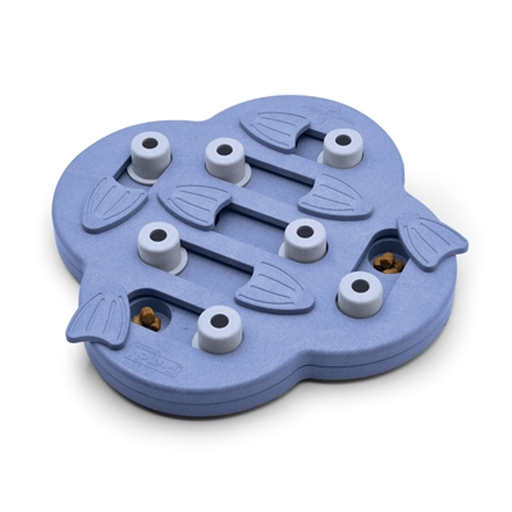
Why it's a great choice: This puzzle toy encourages the dog to use its sense of smell and intelligence to find treats. It's the perfect solution to keep a bored dog occupied and prevent destructive behaviours linked to inactivity.
It addresses an often-overlooked need: mental stimulation. Rather than just enduring destruction, this toy prevents it by channelling the dog's energy into a problem-solving activity.
This puzzle toy is designed by a canine behaviour specialist. It is made from durable, easy-to-clean composite materials.
We've put together a complete, up-to-date selection of toys that meet our selection criteria and current safety standards.
There's no absolute rule; it all depends on the toy's quality and your dog's determination. The golden rule is regular inspection. Replace any toy as soon as it shows advanced signs of wear (cracks, pieces breaking off) or if it has become small enough to be swallowed.
For rubber or nylon toys, hand washing in warm water with a mild soap (like unscented dish soap) is sufficient. Rinse thoroughly to remove all residue. Some toys are dishwasher-safe (top rack), but always check the manufacturer's instructions.
If your dog is a "serial destroyer," turn to toys designed for extreme chewers, often made of very dense nylon or reinforced rubber. Also, consider increasing their mental stimulation with an enrichment toy or a puzzle game. A mentally tired dog is a less destructive dog. Finally, and this is crucial, always supervise playtime, especially with a new toy.