
Livraison le jour même ou le lendemain

Qualité garantie

Débloquez vos offres de bienvenue: Livraison GRATUITE | Jusqu'à -80 % | 30 jours d'essai gratuits à JoyPlus
Téléchargez l'application
Choosing the right dog food can often be a real headache. Faced with shelves full of brands, varied ingredients, and marketing promises, it's hard to know where to start. Should you opt for grain-free kibble? How important is a protein-rich formula? How do you find a natural dog food that suits a sensitive stomach?
As the Head of Product Recommendations at Joybuy, I'm here to help you sort through the options. In this article, we'll decode labels together and present a selection of products tailored to specific needs. The goal: to give you all the keys to making the best choice for your companion.
Before we get to our top picks, let's review the essential criteria to keep in mind during your search.
The quality of a kibble is first judged by its composition. The golden rule is simple: ingredients are listed in descending order by weight. Therefore, the first ingredient is the most abundant.
The "grain-free" trend is everywhere. These formulas replace wheat, corn, or rice with alternatives like sweet potatoes, peas, or lentils.
A puppy's nutritional needs are not the same as a senior dog's, and a Chihuahua doesn't have the same requirements as a Great Dane.
We have selected three products that stand out for their composition and philosophy, each meeting very specific needs.
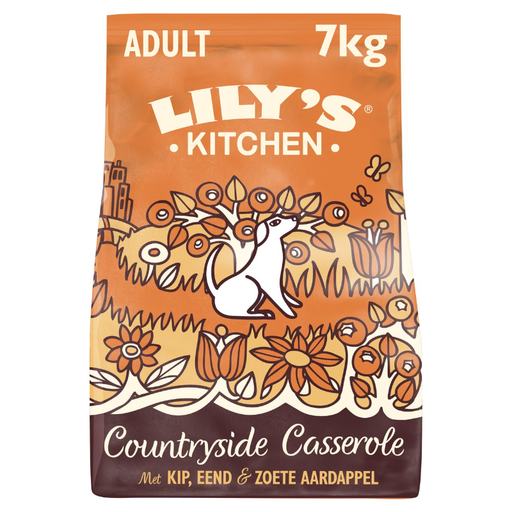
Why it stands out: This recipe stands out for its dedicated approach to natural dog food. It contains 42% meat and offal, including fresh chicken, duck, and chicken liver. Its grain-free formula is complemented by a mix of botanicals, herbs, vegetables, and fruits, offering complete and varied nutrition.
Highlights:
Who is it for? This kibble is an excellent option for adult dogs (from 4 months) of all sizes. It is particularly suitable for owners looking for a grain-free recipe, rich in fresh ingredients, and with joint support.
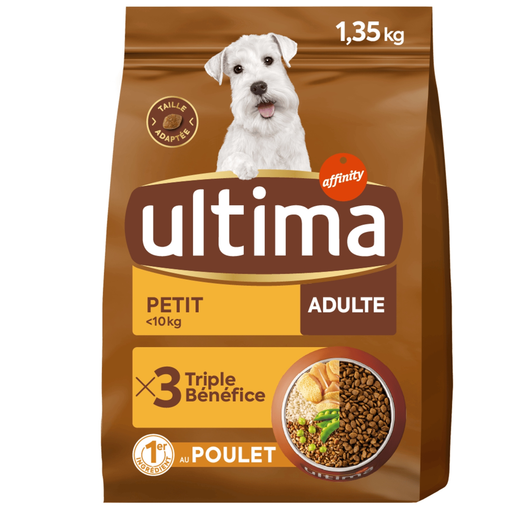
Why it stands out: Specifically designed for small dogs (under 10 kg), this kibble accounts for their faster metabolism and predisposition to tartar. The brand states that the formula was developed by veterinary nutritionists to meet these specific needs.
Highlights:
Who is it for? This kibble for small dogs is recommended for adult small-breed dogs. It is a relevant choice for owners concerned about their pet's dental health and looking for a diet adapted to their size.
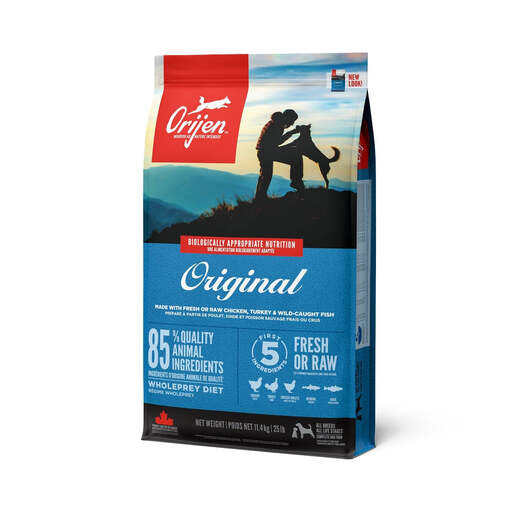
Why it stands out: Orijen is built on a "WholePrey" philosophy, which aims to replicate the natural diet of canids. This recipe is particularly high in protein (38%) from a wide variety of animal sources: free-run chicken and turkey, wild-caught fish, and eggs.
Highlights:
Who is it for? This kibble is particularly suitable for active adult dogs of all sizes that tolerate a high-protein diet well. It's a top choice for owners seeking a diet that is as close as possible to a varied, meat-based regimen.
A balanced diet is fundamental, but treats also play a role in your dog's training and enjoyment. If you're looking for healthy and natural rewards to complement their meals, discover our selection of dried chicken.
To avoid digestive upset, a smooth transition is essential. Over 7 to 10 days, gradually mix the new kibble with the old one, slowly increasing the proportion of the new food until you have completely replaced the old diet.
The ideal amount depends on their weight, age, activity level, and metabolism. Always refer to the feeding guide on the packaging as a starting point, then adjust the portion by observing your pet's weight and physical condition.
There's no one-size-fits-all answer to this question that every owner asks when searching for the best dog kibble. Grain-free formulas are an excellent solution for sensitive or allergic dogs. However, many dogs digest high-quality grains perfectly well. The best choice is always the one that suits the health and well-being of your dog.