
Livraison le jour même ou le lendemain

Qualité garantie

Débloquez vos offres de bienvenue: Livraison GRATUITE | Jusqu'à -80 % | 30 jours d'essai gratuits à JoyPlus
Téléchargez l'application
Choosing the right dog food can quickly become a headache. Between overcrowded aisles and packaging with tempting promises, it's hard to sort marketing claims from true nutritional quality. As a product expert at Joybuy, my mission is to help you see things more clearly. Let's review the traps to avoid and the essential criteria for making the right choice for your companion.
The dog food market is riddled with confusing marketing claims. Here are the three most common mistakes pet owners make.
To see past the marketing hype, focus on these three key points before choosing dog kibble or dog p?té.
The regulation is clear: ingredients are listed in descending order of weight (before cooking). The first item on the list is therefore the one present in the largest quantity.
This table, though a bit intimidating, is a goldmine of information about the product's nutritional balance.
There is no right or wrong answer; it all depends on your pet's needs and preferences, and sometimes your own.
To put theory into practice, here are a few products that perfectly illustrate these tips, selected for specific dog profiles.
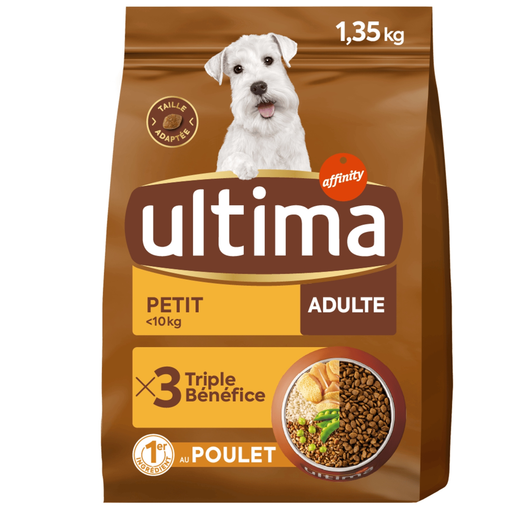
Why we recommend it: Small dogs (< 10 kg) have a faster metabolism and higher energy needs per kilo. This formula is specifically designed for them, with small-sized kibble perfectly suited to their jaws.
The ingredient list is transparent: chicken (17%) comes first, a quality protein source, not a vague mention of "meats."
Its formula includes specific minerals (sodium hexametaphosphate) that help limit tartar formation, a common scourge for small breeds.
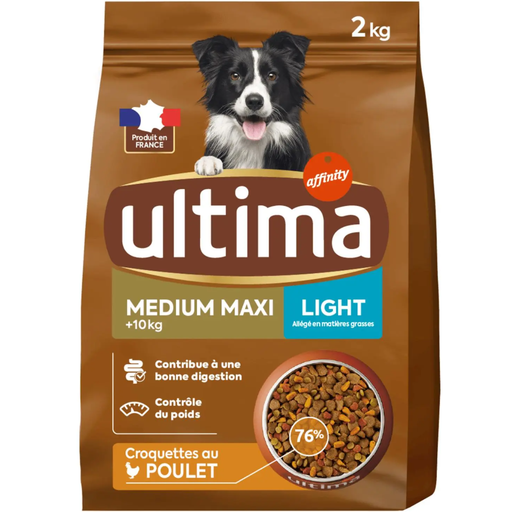
Why we recommend it: Perfect for medium to large dogs with moderate physical activity or a tendency to be overweight. The "Light" formula is designed to manage weight without compromising on essential nutrients.
The "Light" claim isn't just a marketing gimmick: the recipe contains 30% less fat than the brand's standard version, a quantifiable and verifiable fact.
The addition of L-carnitine helps convert fat into energy, thus preserving muscle mass even during a diet. The kibble size is also adapted for larger jaws.
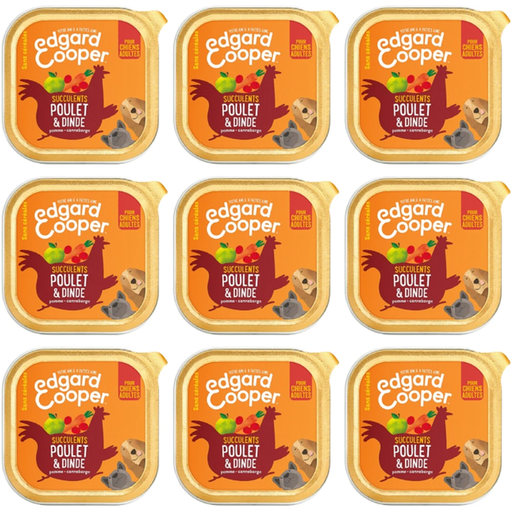
Why we recommend it: For owners who prefer a wet, meat-rich, and grain-free diet, whether by conviction or for a dog with a sensitive digestion. A gourmet alternative to kibble.
Here, the "grain-free" promise is kept and the composition is crystal clear: 30% chicken and 26% turkey, with clearly identified fruits and vegetables (carrots, blueberries...).
Its very high moisture content (82%) is a major asset for hydration. The gentle cooking process best preserves the nutrients and natural flavours of the ingredients.
We have selected a complete range of products that meet these quality criteria and current regulations.
Any food transition must be gradual to avoid upsetting your pet's digestive system. The ideal approach is to spread it over 7 to 10 days: start by mixing 25% of the new food with 75% of the old, then move to 50/50 a few days later, then 75/25, before serving 100% of the new food.
Be careful, these two terms are not synonymous. A grain-free dog food simply excludes cereals (wheat, corn, rice...). A so-called "hypoallergenic" food is formulated to minimise the risk of allergies. It often uses uncommon protein sources (like lamb, duck, or fish) or hydrolysed proteins (broken down into tiny particles so the immune system doesn't recognise them as allergens). An allergy can be triggered by cereals, but also by very common meats like beef or chicken.
For a senior dog, wet dog food (p?té) has several advantages. Being softer, it's easier to chew if their teeth are becoming fragile. Its high water content also helps maintain good hydration, which is crucial for kidney function. Its more intense smell and flavour can also stimulate a sometimes fussy appetite that comes with age. Also consider mixed feeding (bi-nutrition), which combines kibble and p?té: it's often an excellent solution.