
Livraison le jour même ou le lendemain

Qualité garantie

Débloquez vos offres de bienvenue: Livraison GRATUITE | Jusqu'à -80 % | 30 jours d'essai gratuits à JoyPlus
Téléchargez l'application
Moving house, assembling flat-pack furniture, or tackling a small repair that can no longer wait? The situation is always the same: without the right tools, the simplest task can turn into a real headache. But faced with a jungle of available options, putting together your first complete and reliable toolbox can quickly become a challenge. This guide is here to shed some light and help you choose versatile and durable DIY tools that are perfectly suited for your daily needs, from furniture assembly to basic mechanical maintenance.
Before you pull out your credit card, a few criteria should be weighed to make a smart and long-lasting investment.
For a first toolbox, it's best to focus on multi-function tools. A well-designed DIY tool kit is often the perfect starting point. It usually includes the essentials: a hammer, pliers, a tape measure, and an assortment of screwdrivers. Similarly, a cordless electric screwdriver with multiple bits will replace an entire set of manual screwdrivers, saving considerable time and space—especially when it comes to tools for assembling furniture.
A tool's longevity is directly linked to the quality of its materials. For professional hand tools, Chrome-Vanadium (Cr-V) steel is the gold standard. This alloy is renowned for its high resistance to wear, torsion, and corrosion. A wrench set or a mechanic's ratchet wrench made from this material will withstand high torque without deforming, a true guarantee of safety and durability.
A good tool is, above all, a tool that's a pleasure to use. For repetitive tasks, the weight and the quality of the grip are paramount. A non-slip handle, for example, provides better control and reduces fatigue. If you're planning on getting tools for car repair, a ratchet wrench with a 72-tooth mechanism (or more) will offer much better manoeuvrability in the tight corners of the engine bay.
Here is our selection of tools that stand out for their versatility and smart design, perfect for starting or expanding your collection.
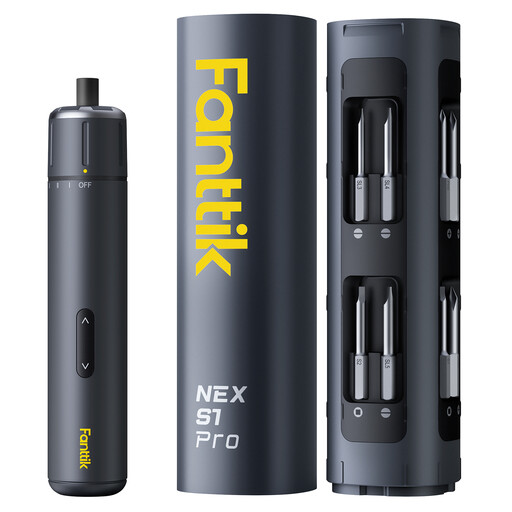
Why It Stands Out
The Fanttik S1 Pro is a cordless electric screwdriver that perfectly combines precision with controlled power. Its motor offers 3 torque settings (1.5, 3, and 4.2 N.m), making it ideal for precision work where over-tightening could damage materials, such as building a PC or assembling delicate furniture. The magnetic aluminium alloy storage case and the 16 S2 steel bits make it a kit that's as stylish as it is practical.
Advantages
Who Is It For? Perfect for PC building enthusiasts, fans of flat-pack furniture, and for all the small daily repairs that require more finesse than brute force.
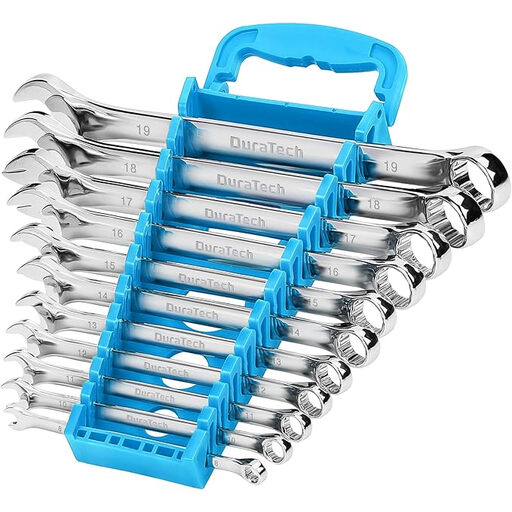
Why It Stands Out
This wrench set is a workshop staple. Made from heat-treated Chrome-Vanadium steel, it guarantees the robustness expected from professional hand tools. The set covers the most common metric sizes (from 8 to 19?mm). The 12-point box end is angled at 15 degrees, a clever design that provides easier access to stubborn nuts while protecting your knuckles.
Advantages
Who Is It For? An excellent starting point for budding mechanics looking for reliable car repair tools, as well as for anyone who likes to maintain their own equipment.
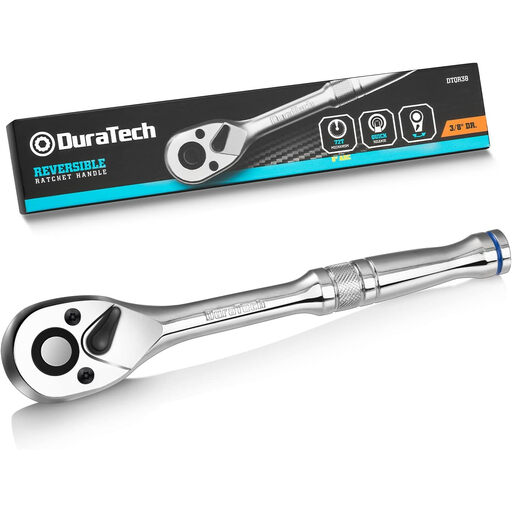
Why It Stands Out
This mechanic's ratchet wrench is a little gem of ingenuity and versatility. It integrates three drive sizes (1/4", 3/8", and 1/2") into a single tool, saving you from buying (and storing) three different wrenches. Its 72-tooth mechanism allows for a swing arc of just 5 degrees, a decisive advantage for working in the tightest spaces. The CR-MO steel head and non-slip chrome handle make it a tool that is as robust as it is comfortable.
Advantages
Who Is It For? The go-to tool for car and motorcycle mechanics. Its versatility also makes it a prime addition to any complete toolbox for demanding jobs around the house.
Our selection highlights essential and versatile tools. Of course, every project is unique. If you're looking for a larger set or more specific tools, feel free to explore our complete category of Steel Tool Kits to discover other configurations.
1. What are the basic tools I need to get started? To get off to a good start, your arsenal should include: a hammer, a set of pliers (combination, cutting, slip-joint), a tape measure, a utility knife, a spirit level, and an assortment of screwdrivers (or a versatile electric model). A set of wrenches and a ratchet wrench will perfectly round out this starter kit to handle most situations.
2. Is it better to buy a complete tool kit or individual tools? A DIY tool kit is often the best value for money when you're starting out. It ensures you have the essentials on hand, well-organised in a case. Buying individual tools, on the other hand, allows you to upgrade the tools you use most often or to equip yourself for very specific needs. The best compromise? Start with a good basic kit, then add to it piece by piece as your projects evolve.
3. How do I properly maintain my DIY tools? Good maintenance is the secret to your tools' longevity. After each use, wiping them down with a cloth to remove dust, grease, and other residues is essential. Always store them in a dry place to prevent rust. For tools with moving parts, like a ratchet or pliers, a drop of lubricant from time to time will ensure they always operate smoothly.