In a shared house, first choose a dishwasher that can actually be installed in the kitchen, then match its capacity to the amount of washing-up produced between cycles. A standard freestanding model gives you more room for loading if there’s space for it; a slimline or countertop model takes up less room, but you’ll need to check whether its capacity is enough. To compare compatible appliances, also look at the basket layout, noise levels and Eco programme figures on the energy label, as recommended by ADEME.
Who is each feature best suited to?
Housemates who get through a lot of washing-up every day
If dirty dishes pile up between meals, check the place-setting capacity as well as how much room the baskets leave for plates and pans. Beko lists a 60 cm model with space for up to 14 place settings; Bosch describes the SMS2HVI02E as having an adjustable upper basket and a cutlery drawer. These features vary by model.
Housemates with an open-plan kitchen or bedrooms nearby
To find an appliance that works around everyone’s schedules, compare the noise level in decibels and its class on the energy label. ADEME presents these as two useful details to check on the label; a marketing claim is no substitute for them.
Housemates with a kitchen that’s already short on space
If the available space or existing units dictate the size, start by measuring the area and locating the water inlet and waste outlet. Freestanding, integrated and countertop appliances each have different installation requirements; UFC-Que Choisir describes countertop models for 6 place settings that sit on a worktop.
Which features should you check first?
The format depends first and foremost on your existing kitchen: check the space and connections before comparing capacity, noise and energy use.
Standard freestanding
Worth considering: if your kitchen has enough space and the necessary connections, and several meals produce a lot of washing-up.
Bear in mind: it takes up more room than a slimline or countertop model; the number of place settings alone won’t tell you whether your plates will fit in the baskets.
Built-in model
Worth considering: if your units, any required door panel and existing connections are suitable for the specific model.
Bear in mind: there are more integration requirements to check before you order; a built-in installation doesn’t guarantee a large capacity or low noise levels.
Slimline or countertop
Worth considering: if there’s no room for a standard appliance in your kitchen. UFC-Que Choisir describes countertop models for 6 place settings, while Beko lists slimline models measuring 45 cm and with space for 10 place settings.
Bear in mind: the smaller load may mean running cycles more often when several people cook; a compact size doesn’t mean you can skip checking the connections required for your chosen model.
| Feature |
What to check |
Who is it for? |
| Capacity and loading |
Compare the stated number of place settings and check there’s room in the baskets for your plates and pans. |
When several people cook every day, I want to avoid leaving dirty dishes waiting between cycles; around 33% of consumers put this shared capacity first. |
| Kitchen compatibility |
Measure the space and check the connections; for a built-in model, also check the unit and door panel. |
If the kitchen is already fitted, I need to be able to install the appliance without assuming building work will be possible; for around 27% of consumers, compatibility is the main requirement. |
| Noise |
Check the noise level in dB and its class on the energy label; confirm any noise-reduction feature applies to the specific model. |
With an open-plan kitchen or bedrooms nearby, I want to choose washing times that won’t disrupt shared living; quiet operation comes first for around 20% of consumers. |
| Water and electricity |
Compare the kWh per 100 cycles, litres per cycle and Eco programme duration shown on the label. |
For an appliance everyone uses, I want to understand how much a cycle consumes before we decide how often to run it; around 20% of consumers prioritise water and electricity use. |
According to ADEME, the energy label shows energy use, capacity, Eco programme duration and noise levels. Eco programme figures let you compare appliances on a like-for-like basis; they don’t necessarily reflect other programmes or how a shared household will use the appliance.
Mistakes to avoid before buying
-
Choosing a size before checking the installation requirements
An appliance might have enough capacity but still not fit in the space available or be impossible to connect under the required conditions. For built-in models, you also need to check the unit and, depending on the model, the door panel.
Measure the space and compare it with the model’s installation guide; check the water inlet, waste outlet and electrical requirements before ordering.
If plumbing, electrical or unit alterations are needed, check separately whether they’re possible and covered by the installation service you’re considering.
-
Looking at the energy rating alone
The rating doesn’t tell you everything about capacity, water use per cycle, Eco programme duration or noise levels—all of which matter when you’re planning washes with other people.
Check the place settings, kWh per 100 cycles, litres per cycle, Eco programme duration and dB together, using the guidance provided by ADEME.
-
Choosing the smallest appliance just to save space
A smaller load may mean housemates who cook frequently have to run cycles more often or leave dirty dishes waiting.
Consider what needs to fit between washes, especially pans and plates, then compare the load with the layout of the model you’re considering.
-
Relying on the word ‘quiet’ alone
A marketing claim won’t help you compare the stated noise levels of two appliances, especially if the kitchen opens onto your living space.
Compare the dB and noise emission class on the energy label; if a noise-reduction feature matters to you, check that it’s included on the exact model.
Brands to consider
Bosch
The French range includes 60 cm freestanding dishwashers, with features that vary by model.
- Bosch says the SMS2HVI02E has a cutlery drawer and an adjustable Rackmatic upper basket—features worth checking if your shared washing-up includes items of different sizes.
- Check these features, as well as any noise-reduction function, on the product page for the model you’re considering; they aren’t standard across the entire range.
Beko
Beko France lists 60 cm appliances as well as narrower 45 cm models.
- The brand states that its BDFS26040X accommodates up to 14 place settings and lists 45 cm models with space for 10: compare both capacities with the space available and the amount of washing-up you produce.
- Energy ratings, noise levels and features vary by product code; compare the specifications of the models themselves rather than assuming the same figures apply across the brand.
Miele
The French range includes freestanding and built-in appliances, in both standard and slimline sizes.
- Miele lists built-in configurations with a cutlery drawer and baskets—worth considering if your kitchen is already set up for this type of installation.
- These features and the noise level depend on the model; also check the dimensions and whether your existing units are compatible.
Dishwashers for a shared kitchen
These Joybuy models are suited to two setups: freestanding installation when there’s a suitable space, and built-in installation when your kitchen is already compatible with this type of appliance. Compare their stated capacities, then check the dimensions and connections required in your home.
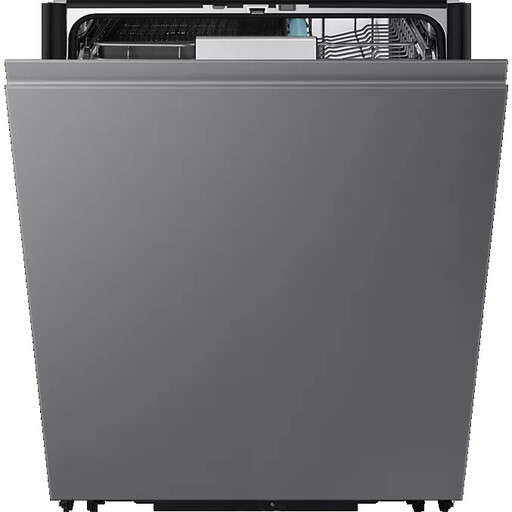 Image unavailable
Samsung DW90H79JAI0U1 Bespoke AI built-in, 60 cm, 14 place settings, class A
Worth considering for shared washing-up if your kitchen is suitable for a built-in installation. Check the niche dimensions, unit, door panel and connections before choosing this model.
View on Joybuy
 Image unavailable
Samsung DW60M6050FS freestanding, 14 place settings, 7 programmes, grey
A freestanding option to consider when your kitchen needs to handle the washing-up for several people. Before buying, measure the space and check the water inlet, waste outlet and electrical requirements.
View on Joybuy
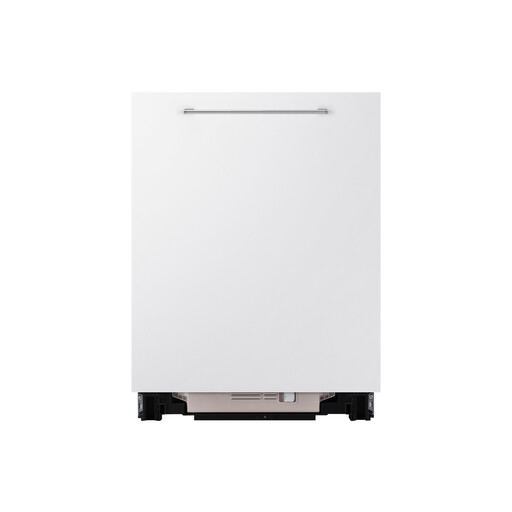 Image unavailable
Samsung DW80H72YBB0U1 built-in, 60 cm, 13 place settings
Worth considering if your shared kitchen already has a suitable space for a built-in appliance. Before ordering, confirm the required niche dimensions, that the unit is compatible and that the installation requirements can be met.
View on Joybuy
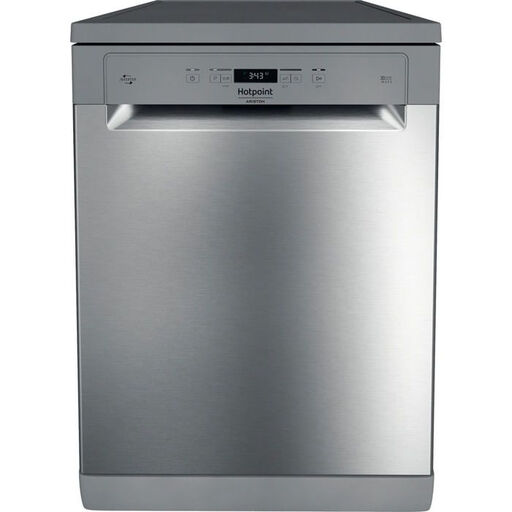 Image unavailable
Hotpoint HFC3C32WX freestanding, 14 place settings, grey, class D
Worth comparing for a shared kitchen where freestanding installation is possible. Measure the space available and check the model’s energy label if water and electricity use are important to you.
View on Joybuy
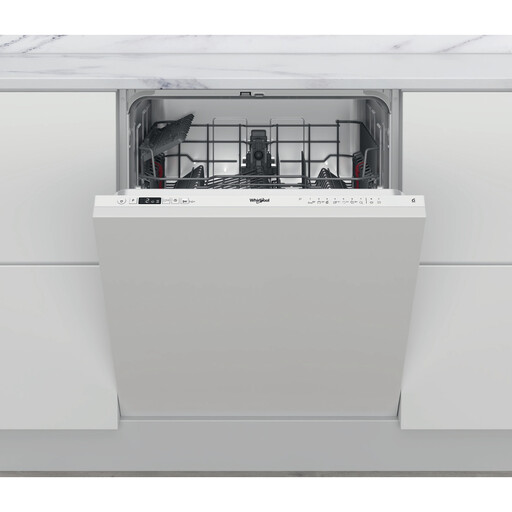 Image unavailable
Whirlpool W2I HD526 A built-in, 60 cm, 14 place settings, white, class E
Worth considering for shared loads if your kitchen is designed for a built-in appliance. Check the niche, door panel and connections; the model’s energy label will help you compare its consumption with that of other appliances.
View on Joybuy
Frequently asked questions
How do you read a dishwasher energy label?
Look at the energy rating alongside the other details rather than choosing based on that letter alone. According to ADEME and the European Commission, the label includes information such as capacity in place settings, kWh per 100 cycles, litres per cycle, Eco programme duration and noise in dB with its class; Eco programme figures don’t necessarily describe other cycles.
Should you check the connections before choosing a model?
Yes: the size you’re considering needs to fit the available space and the kitchen’s connection requirements. Check the water inlet, waste outlet and electrical requirements using the model’s instructions. Electrolux’s pre-installation guide states that appliances covered by the guide must be no more than 1.2 metres from the water inlet and waste outlet; don’t assume this limit applies to every model.
Is a small dishwasher big enough for several housemates?
It could work if space is very limited and its capacity matches the amount of washing-up produced between cycles. UFC-Que Choisir describes countertop appliances for 6 place settings; Beko also lists slimline models measuring 45 cm with space for 10 place settings. Most importantly, check that your plates and pans fit in the baskets without having to run extra washes.
How can you organise cycles to use less water and electricity?
First compare the consumption figures on the energy label, then time cycles to suit how full the appliance actually is. ADEME recommends waiting until it’s full and not pre-rinsing dishes; consider using the Eco programme when its duration works for your household.


