Which features matter most for everyday use?
For everyday meals, first check whether anything could prevent installation, then estimate how much washing-up builds up between cycles. A compact model, a 45 cm model and a 60 cm model are designed for different load sizes. Freestanding and integrated, meanwhile, describe how the appliance is installed, not its capacity.
| Criteria |
What to check before buying |
Relevant for |
| Capacity and loading |
Compare the stated place settings and rack layout with the dishes and pans you usually use. |
If washing-up piles up after meals, I want to avoid running extra cycles without choosing a capacity I won’t use; around 33% of consumers make capacity a priority. |
| Space and installation |
Measure the space and, depending on the format, check the housing unit, door panel and connections specified in the instructions. |
When the kitchen dictates where the appliance must go, I need to be able to install it without any problems with the units or connections; this comes first for around 27% of consumers. |
| Noise and duration |
Check the noise level and Eco programme duration; look separately at the details of any other programmes you plan to use. |
In an open-plan kitchen, or when the dishwasher is running while we’re at home, I want it to fit around family life; around 20% of consumers prioritise noise and cycle timings. |
| Water and electricity |
On the model’s label, compare kWh per 100 Eco cycles and litres per cycle with the capacity you need. |
With regular washing-up, I keep an eye on water and electricity use without overlooking how many cycles are needed; around 20% of consumers prioritise keeping these costs in check. |
If there’s no suitable space to install a dishwasher in line with the instructions, or you have very little washing-up, washing by hand remains an option. However, don’t assume it always uses less water: the comparison depends on your washing-up habits and the appliance you’re considering.
Dishwasher brands to consider
These brands offer a range of models to explore, depending on the format you’re looking for. The features mentioned relate to specific models, so you should still compare the specifications of models that will fit in your kitchen.
Bosch
Bosch offers freestanding, integrated and compact dishwashers to compare based on your available space and preferred load size.
- For the SMV25EX02E model, Bosch describes an adjustable Rackmatic upper basket designed to make room for bulky items.
- Check the dimensions, noise level and energy use for the model you choose. For an integrated model, also make sure it’s compatible with your housing unit.
Siemens
Some Siemens models may suit households looking for adjustable racks or a choice of programmes.
- Siemens lists an adjustable rackMatic basket on the SN23HI60CE model and offers varioSpeed Plus on some other models.
- A function that shortens a cycle doesn’t tell you the duration, energy use or results of the programme you’ll use. Check the specifications for the exact model.
Miele
Miele offers freestanding and integrated models worth exploring if capacity and Eco programme details are important to you.
- Miele’s specifications for the G 7600 SC AutoDos Brilliant White list 14 place settings and a noise level of 42 dB for this model.
- These specifications don’t apply to every Miele model. Compare the energy label and dimensions with your needs and kitchen.
Beko
Beko offers 60 cm dishwashers, with capacity and features varying from model to model.
- Beko describes some models as accommodating up to 15 place settings; the BDFN26450XP is listed at 41 dB.
- These details don’t necessarily refer to the same appliance. Check capacity, noise and energy use for one specific model before comparing.
Dishwashers available on Joybuy
This selection includes freestanding, integrated and table-top models. First decide which installation type and capacity suit you, then compare each model’s specifications with your kitchen.
 Image unavailable
Hotpoint H4FD641A freestanding dishwasher, 14 place settings, white
Worth considering if you’re looking for a freestanding model for regular loads. The title lists a width of 60 cm, 14 place settings, 41 dB and an energy rating of C.
Check the dimensions and connections in the instructions before considering installation under a worktop. If you use the automatic door-opening feature, keep children away from the steam released.
View on Joybuy
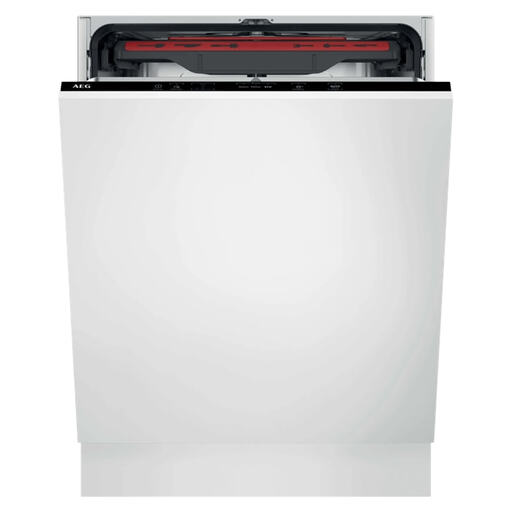 Image unavailable
AEG FSB34707Z integrated dishwasher, 14 place settings, rating C
Worth considering for a fitted kitchen with a compatible housing unit and door panel. The title lists 14 place settings and an energy rating of C.
The 60 cm width listed in the title doesn’t match the dimensions in the description. Before buying, check the overall dimensions and housing-unit measurements in the instructions. Also make sure the stated Eco programme duration of 240 minutes works for your routine.
View on Joybuy
 Image unavailable
Samsung DW80H72YBB0U1 built-in dishwasher, 13 place settings
Consider this model if you have space for a 60 cm integrated dishwasher. The title lists 13 place settings and an energy rating of B.
To assess noise levels, check which programmes the separate figures of 44 dB and 42 dBA in Extra Silence mode refer to. Also confirm the housing unit, door panel, hinges and connections; the description states that the appliance must be installed by a professional.
View on Joybuy
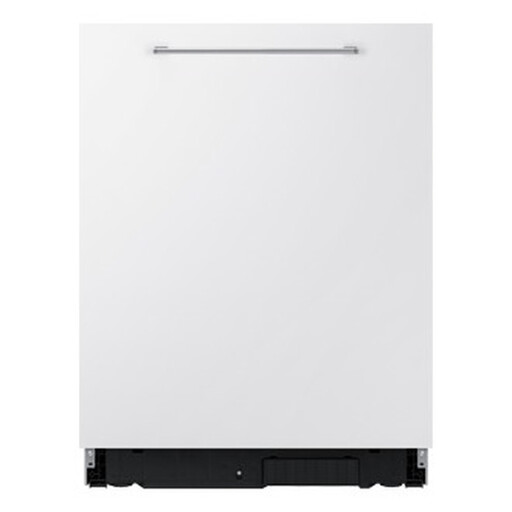 Image unavailable
Samsung DW70H72WCB0U1 built-in dishwasher, 13 place settings
Worth comparing if you’re looking for a 60 cm integrated dishwasher for everyday washing-up. The title lists 13 place settings and an energy rating of C.
Check the housing-unit dimensions, door panel, hinges and connections in the instructions. To compare how it performs for everyday use with other models, also check its energy label for consumption and Eco programme duration.
View on Joybuy
 Image unavailable
Heinrich's HTG 8840 Schwarz table-top dishwasher, 6 place settings
Worth considering if saving space is a priority and six place settings are enough between washes. The title lists seven programmes, 47 dB and an energy rating of D.
Before choosing this format, check how much worktop space it needs, the connections and whether there’s enough room inside for your dishes. Compare the stated energy use with the energy label for this model and make sure the Eco programme duration suits your routine.
View on Joybuy
Frequently asked questions
Which figures should I compare on the energy label?
Compare the A to G rating, kWh per 100 cycles, litres per cycle, capacity, Eco programme duration and noise level, as recommended by ADEME and the European Commission. Compare models with a format and capacity that meet your needs: low energy use per cycle won’t help if you need to run more cycles.
Is a 45 cm dishwasher big enough for everyday meals?
It can suit a small family if its capacity and cycle frequency match the amount of washing-up you produce. UFC-Que Choisir describes 45 cm models with 9 place settings as suitable for a small family, even if they need to be run every day. However, check there’s enough room for your dishes and pans.
What should I check before ordering an integrated dishwasher?
Measure the width, height and depth of the housing unit, then check the door panel, hinges and connections specified in the model’s instructions. UFC-Que Choisir points out that an integrated model is designed for a purpose-built space in the kitchen, so don’t choose one as if it were a freestanding appliance.
Are the connections the same for every model?
No. Follow the installation instructions for the model you choose for the water inlet, drainage and electricity supply. The Bosch documentation reviewed, for example, says to follow the installation instructions and use a properly installed, earthed wall socket. If you have any doubts about your existing installation, ask a professional to check it.


