
Livraison le jour même ou le lendemain

Qualité garantie

Débloquez vos offres de bienvenue: Livraison GRATUITE | Jusqu'à -80 % | 30 jours d'essai gratuits à JoyPlus
Téléchargez l'application
Choosing a dish soap? It seems simple enough at first glance. But once you're in the aisle, you're bombarded with promises: superior grease-cutting power, natural formulas, gentle on sensitive skin... Faced with this marketing blitz, it's easy to end up with a disappointing product that's harsh on your hands or your budget. As a product expert at Joybuy, my mission is to help you see clearly. Together, let's break down the pitfalls to avoid and the criteria that truly matter for making the right choice.
Before you head to the checkout, be wary of these often-misleading marketing claims that lead straight to disappointment.
To stop buying blind, here are the three essential criteria to consider to find the product that's right for you.
A dish soap's cleaning power comes from its surfactants. These are the molecules that lift grease and grime. The main types are:
Some formulas also include naturally derived ingredients with proven effectiveness, such as black soap or vinegar, to boost degreasing power.
If you have sensitive skin or do dishes almost daily, this criterion is non-negotiable.
The packaging has a direct impact on your wallet and your environmental footprint.
To help you sort through the options, here is our selection of products that check all the boxes, each tailored to a specific need.
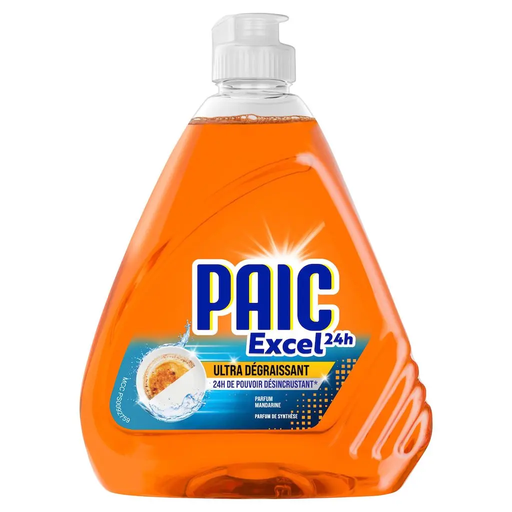
Why we chose it: For those who struggle with caked-on casserole dishes and stubborn pans, this formula is designed for powerful degreasing action, making it easier to clean the toughest messes.
It delivers on its "ultra-degreasing" promise with a formula that directly tackles baked-on grease, while remaining suitable for daily use.
Its formula is designed to dissolve grease and residue without hours of scrubbing, leaving dishes spotless with a pleasant mandarin scent.
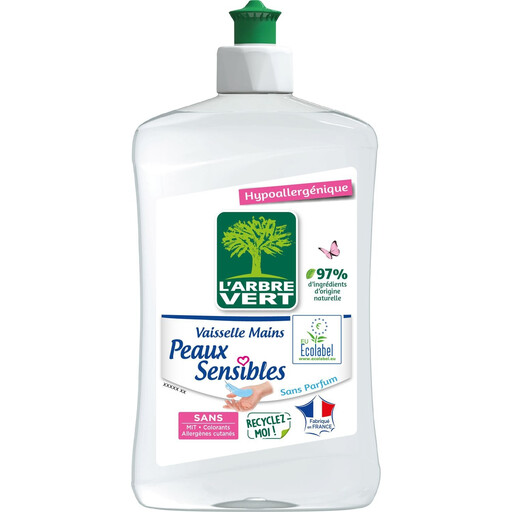
Why we chose it: Ideal for families and those with reactive skin, this product strikes the perfect balance between effectiveness and gentleness. Its formula is specifically developed to minimise the risk of skin allergies.
It bypasses the trap of harsh formulas by relying on a hypoallergenic, fragrance-free composition certified with the EU Ecolabel. Total transparency that provides peace of mind.
With 97% naturally derived ingredients, it cleans perfectly without being harsh on hands, even after intensive use.
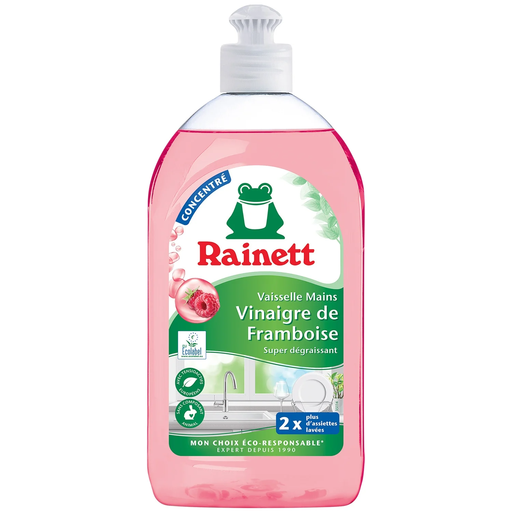
Why we chose it: For those who want to combine clean dishes with a clear conscience, this product offers a complete solution: an effective formula, a recognised certification, and eco-designed packaging.
It doesn't just talk "green"—it proudly displays the EU Ecolabel certification, a guarantee of demanding environmental standards. Bonus: the bottle is made from 100% recycled plastic.
Its concentrated formula, based on plant-derived surfactants and raspberry vinegar, cuts through grease while being gentle on the skin (dermatologically tested).
We have curated a full range of products that meet our demanding selection criteria and current safety regulations.
A certified eco-friendly dish soap, like those bearing the EU Ecolabel, must adhere to strict specifications. This includes high biodegradability of surfactants, limits on substances harmful to aquatic life, and the use of recycled or recyclable packaging. In contrast, a conventional product is not subject to these requirements.
Not at all. A hypoallergenic dish soap is formulated to be gentle on the skin, meaning it avoids certain fragrances, dyes, or preservatives known for their allergenic potential. Its cleaning power remains intact because it still contains high-performance surfactants to dissolve grease. Brands like L'Arbre Vert or Maison Verte offer formulas that combine skin-friendliness with excellent cleaning power.
Using a dish soap refill is a simple, cost-effective, and eco-friendly action. Keep your original bottle with its pump or dispenser cap. Once it's empty, rinse it thoroughly with clean water and let it air-dry completely to prevent any bacterial growth. Then, carefully pour the contents of the refill into the bottle. It's the ideal way to reduce your plastic waste while saving money.