
Livraison le jour même ou le lendemain

Qualité garantie

Débloquez vos offres de bienvenue: Livraison GRATUITE | Jusqu'à -80 % | 30 jours d'essai gratuits à JoyPlus
Téléchargez l'application
In the kitchen, a good cutting board is the foundation of any successful recipe. Yet, faced with an overwhelming variety of models, it's easy to get lost and regret your purchase. As the head of buyer's guides at Joybuy, my mission is to help you see clearly. Together, we'll cut through the marketing hype to guide you toward a smart, lasting purchase that's truly suited to your daily life.
Before you start, beware of these three common mistakes that can turn a simple purchase into a costly regret:
To avoid these disappointments, let's get back to basics. Two criteria outweigh all others when judging a board's quality and suitability: its material and its practical features.
The choice of material is crucial: it determines durability, maintenance, and, most importantly, how it treats your knives.
But the material isn't everything. A few thoughtful details can transform a simple board into a true everyday ally.
To help you visualize the right product for your habits, here are a few options that cater to distinct user profiles.
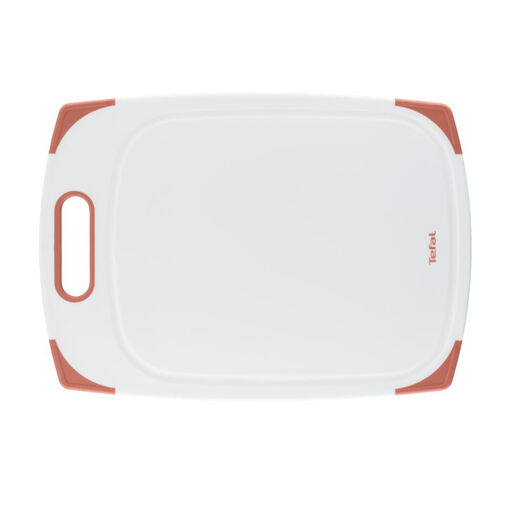
For whom? For those who get straight to the point and prioritize efficiency above all. This board checks all the boxes for practicality: it's non-slip for safety, has a juice groove for cleanliness, and is dishwasher-safe for a precious time-saver.
No empty promises: this board focuses on tangible benefits that genuinely simplify life in the kitchen. Its non-porous plastic is a recognized and sanitary foundation.
The non-slip design + juice groove combo guarantees a clean and secure cutting experience, even with the juiciest foods.
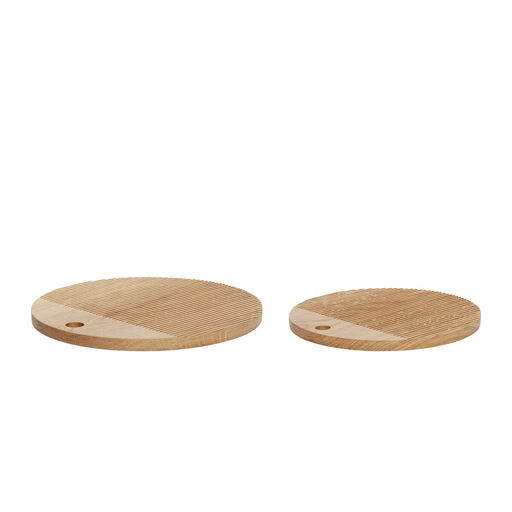
For whom? For those who love to entertain and for whom aesthetics matter as much as function. This FSC certified solid oak set is just as at home in the kitchen as it is on the table for presenting an appetizer spread. The wood preserves the edge of your knives.
This set embraces its nature. It's solid wood, which requires maintenance (hand wash, no soaking) to preserve its beauty. It doesn't pretend to be something it's not: it's a choice of quality and durability that demands a little attention.
The set of two boards in different sizes, made of solid oak, offers impressive versatility, from daily chopping to presenting cheese or charcuterie.
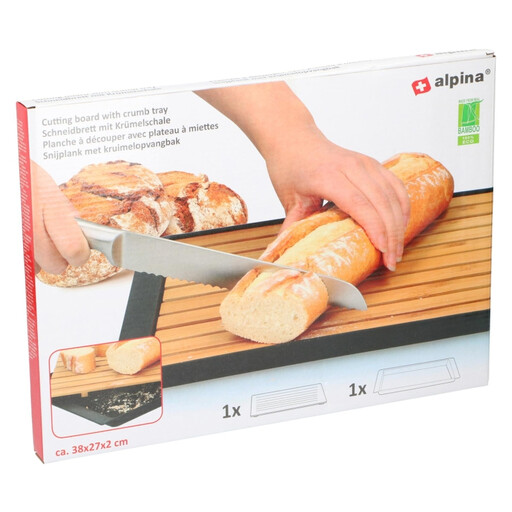
For whom? For anyone tired of crumbs taking over the kitchen with every slice of bread. Its large surface is ideal for baguettes as well as large country loaves.
It doesn't try to do everything. It's a specialized tool that tackles one specific problem (crumbs) with impressive efficiency, rather than spreading itself too thin.
Its removable crumb-catching tray is the simple but brilliant idea that changes everything: the countertop stays spotless and cleanup is a breeze.
Discover our full selection of products that meet our selection criteria and current safety standards.
Maintenance is simple, but crucial. After each use, wash it by hand with warm, soapy water, then immediately and thoroughly dry it with a cloth. The golden rule: never let it soak and, above all, never put it in the dishwasher. To nourish and protect it, apply a thin layer of food-grade mineral oil (or grapeseed oil) about once a month.
It's a basic hygiene practice, strongly recommended to prevent cross-contamination. The main risk is transferring bacteria from raw meat to foods that will be eaten raw (vegetables for a salad, bread, cheese, etc.). If you're short on space, a reversible model is an excellent compromise. Otherwise, sets of plastic cutting boards with color codes are an ideal solution.
It's time to replace a plastic board when its surface is marked with numerous deep grooves. These cuts are impossible to clean perfectly and turn into breeding grounds for bacteria, even after a run through the dishwasher. In short: if the surface is no longer smooth to the touch and is riddled with scratches, it's time for a new one.