
Livraison le jour même ou le lendemain

Qualité garantie

Débloquez vos offres de bienvenue: Livraison GRATUITE | Jusqu'à -80 % | 30 jours d'essai gratuits à JoyPlus
Téléchargez l'application
Choosing the right construction set for a child can be a daunting task. With a vast array of choices, how do you find that perfect gem that will entertain them, stimulate their development, and guarantee uncompromising safety? Our guide is here to help you navigate the options by breaking down the key criteria and showcasing a selection of standout products. Forget the marketing jargon—here's practical advice for making a truly informed decision.
Before you settle on a particular model, let's review the key factors that make all the difference. A good educational toy for ages 3 and up should tick several boxes.
For children, especially those between 3 and 6, safety is non-negotiable. Always check for the CE mark, which certifies compliance with European standards, particularly the EN 71 toy safety standard. Opt for non-toxic materials, such as phthalate-free ABS plastic, and ensure the pieces are large enough to eliminate any choking hazards. The finish is just as crucial: smooth, rounded edges prevent minor scrapes and bumps.
A construction set is much more than a simple pastime: it's a fantastic developmental tool.
A child's engagement will skyrocket if the toy taps into their current passions. Some will be fascinated by construction sites and DIY play, while others will prefer creating magical worlds. Observing what captivates them is the best clue for finding a creative gift that is sure to be a hit.
With these criteria in mind, here are three products that caught our eye. Each one caters to specific interests and developmental needs.
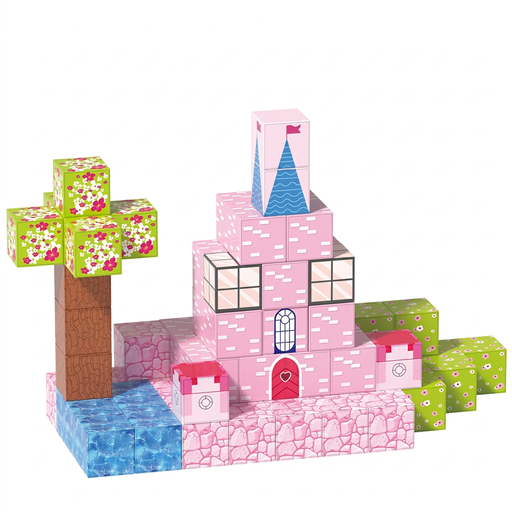
Why it stands out?: This magnetic tile set for kids breaks away from the usual primary-coloured blocks by offering a pastel pink world, adorned with castle and princess motifs. It's a true invitation to create imaginary worlds. Its compact size also makes it an ideal travel companion.
Key features?:
Who is it for? Ideal for children aged 3 and up who love to build as much as they love to create stories. An excellent creative alternative to more traditional construction sets.
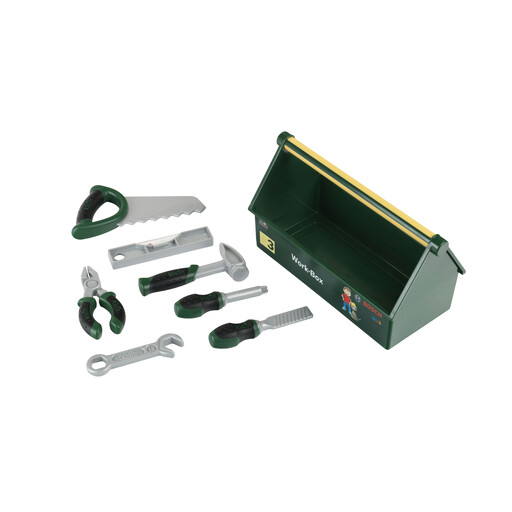
Why it stands out?: This toy toolbox is a trusted classic in the world of pretend play. Sturdy and well-designed, it contains all the essentials for little ones to "work" just like the grown-ups, all in a safe format adapted for their hands.
Key features?:
Who is it for? Perfect for children aged 3 and up who watch adults do DIY projects with fascination. It's an excellent entry point into the world of playful DIY, promoting both autonomy and logic.
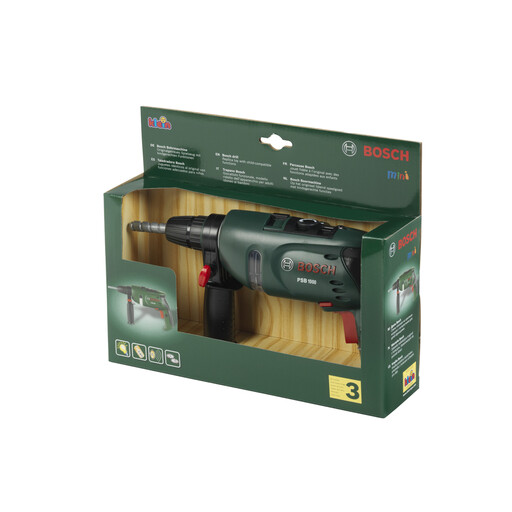
Why it stands out?: This toy drill is the finishing touch to complete the little builder's toolkit. A faithful replica of a Bosch model, it takes realism to the next level with its electronic functions: sound effects, lights, and a rotating bit.
Key features?:
Who is it for? The ideal companion to the toolbox, or a great gift on its own for children aged 3 and up who are fascinated by power tools. It's sure to add a dynamic new dimension to their DIY sessions.
Our selection highlights very different approaches to construction and pretend play. If these models aren't quite what you're looking for, or if you want to explore other worlds, the possibilities are endless.
To discover an even wider range of stimulating games, feel free to explore our complete collection of educational toys for ages 3 and up.
1. At what age are construction toys recommended? Most construction sets with small parts are recommended for ages 3 and up, mainly due to choking hazards. Always read the manufacturer's age recommendations on the packaging carefully. For toddlers, larger and simpler blocks are available.
2. Are magnetic tiles really safe for children? Yes, provided they are well-made and comply with safety standards (CE mark, EN 71 standard). On certified products, the magnets are securely encapsulated within the plastic, preventing a child from accessing them. However, it is still crucial to regularly inspect the toy's condition and set it aside if any piece is damaged.
3. How does a DIY toy set help a child's development? A DIY toy set is a comprehensive developmental tool. For motor skills, it develops precision of movement and hand strength. Cognitively, it encourages children to plan, solve concrete problems ("how do I get this screw to stay in?"), and understand cause-and-effect relationships. Finally, it nurtures their imagination by allowing them to step into the shoes of a competent adult who can fix anything.