
Livraison le jour même ou le lendemain

Qualité garantie

Débloquez vos offres de bienvenue: Livraison GRATUITE | Jusqu'à -80 % | 30 jours d'essai gratuits à JoyPlus
Téléchargez l'application
The connected sports market is a real jungle. The offering is so vast that it's become difficult to navigate. Between watches that promise pinpoint health tracking and earbuds designed for intense workouts, how do you choose the gear that truly fits your needs and budget?
This guide is here to help you cut through the noise. As a Joybuy Product Advisor, I'm breaking down the latest 2026 high-tech releases to help you make the right choice. Forget the technical jargon: we'll focus on the criteria that really matter and present a selection of standout products that excel in performance and reliability.
Before diving into our selection, let's review a few key points to guide your choice.
This is the number one criterion. A GPS smartwatch that will accompany you on a marathon has different requirements than a model dedicated to your indoor gym sessions. Ask yourself about your primary use: do you need an endurance machine capable of lasting several days on a hike, or is a single day's battery life sufficient for your daily commutes and workouts? Keep in mind that continuous GPS and heart rate monitoring will dramatically drain the battery.
What's the point of collecting data if it's inaccurate? Precision is a non-negotiable criterion. The quality of activity and health tracking depends directly on the sensors: heart rate monitor, pulse oximeter (SpO2), and the GPS chip that calculates distance and pace. Also consider the software features that make a difference: in-depth sleep analysis, stress level measurement, personalised training programs... These indicators are valuable allies for better understanding your body and optimising your efforts safely.
This is a crucial point: the device you're considering must be able to communicate with your smartphone. While some models are designed for a closed ecosystem (iOS for Apple, for example), others opt for an open approach by being compatible with both iOS and Android. This synergy is essential for syncing your data, receiving notifications, and enjoying all the features of your device. The classic Apple Watch vs. Garmin showdown perfectly illustrates this difference between an integrated approach and a more universal philosophy.
Here are three products that meet different needs, whether you're an Apple ecosystem enthusiast or an athlete looking for pure performance.
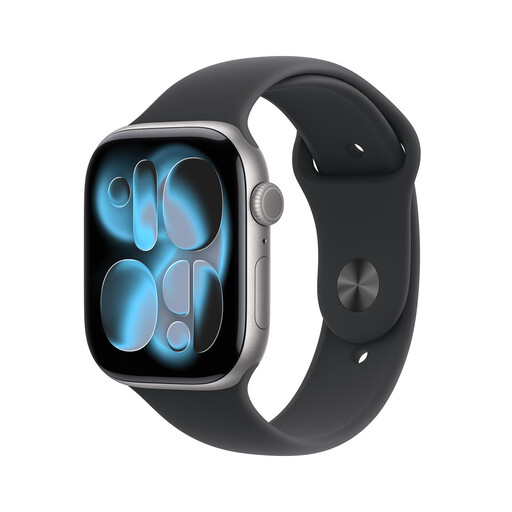
Why it stands out: The Apple Watch Series 11 remains THE gold standard for iPhone owners. It combines an ever-sleek design with extremely advanced health features. More than just a sports watch, it's a true wellness coach on your wrist, watching over you with its preventive alerts and seamless integration into the Apple ecosystem.
Highlights:
Who is it for? For Apple enthusiasts who want a versatile watch that is equally at home on the track and in the office. Its fluid interface and premium design make it a choice companion for everyday life.
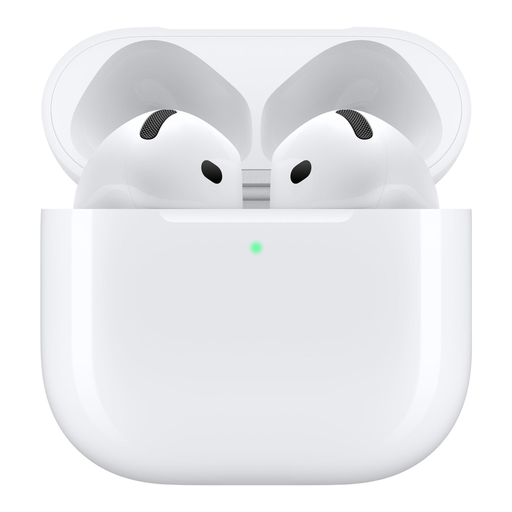
Why they stand out: The AirPods 4 mark a major evolution for wireless sports earbuds. Powered by the H2 chip, the audio quality and active noise cancellation reach a new level. Their optimised design and sweat resistance make them a top choice for athletes who refuse to compromise on sound quality.
Highlights:
Who are they for? For athletes in the Apple ecosystem who demand high-fidelity sound, seamless integration, and an impeccable fit during exercise. The Adaptive Audio is a real game-changer, able to switch between isolation in the gym and awareness of your surroundings outdoors.
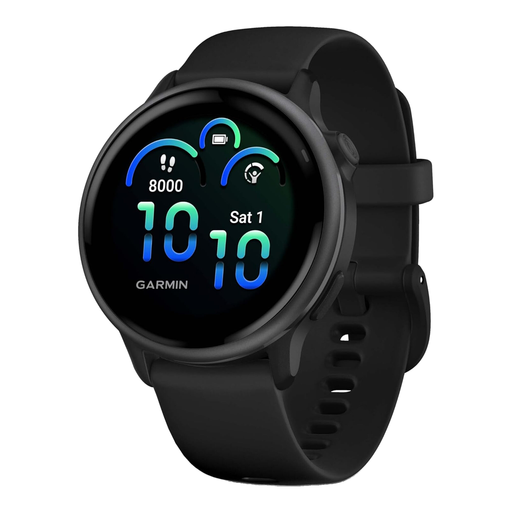
Why it stands out: Compared to the Apple Watch, the Garmin vívoactive 6 stands out as a strong alternative, especially for athletes who prioritise performance and battery life. With its stunning AMOLED display and a battery that lasts up to 11 days, it's aimed at those who want reliable data without worrying about daily charging.
Highlights:
Who is it for? For athletes, from beginners to advanced, who are looking for a decidedly sport-focused watch with record-breaking battery life and in-depth training analysis. Its broad compatibility (iPhone and Android) makes it the choice for freedom for those not locked into the Apple ecosystem.
The right gear can make all the difference. If your smartphone is your best ally for music or GPS tracking, a dead battery mid-session is your worst enemy. To ensure your devices stay operational from the start to the end of your workout, even on the go, plan ahead!
? Discover our selection of phone charger cases to stay connected and motivated.
It all depends on your priorities. To put it simply: the Apple Watch is the queen of versatility. As a perfect extension of the iPhone, it's an unbeatable ally for daily life, communication, and overall health tracking. Garmin, on the other hand, is a pure sports specialist. The brand focuses heavily on more advanced performance metrics (recovery time, training load, etc.), ultra-detailed activity profiles, and, most importantly, a much longer battery life.
Yes, but not just any pair! For running, three criteria are essential. First, a secure fit so they don't move an inch. Second, sweat and water resistance, certified by an IP rating—this is non-negotiable. Models like the AirPods 4 with their IP54 certification are perfect for this. Finally, a "Transparency" mode is a key safety feature for staying aware of your surroundings when running outdoors.
No, but it's an excellent supplement. A smartwatch is a fantastic tool for measurement and motivation. It provides you with raw, objective data on your performance (heart rate, VO2 max, etc.) and can even suggest workouts (via Garmin Coach or Apple Fitness+). However, it will never replace the eye and expertise of a human coach, who is uniquely able to interpret these numbers, adapt a program to how you feel on a given day, and correct your form to prevent injury.