
Livraison le jour même ou le lendemain

Qualité garantie

Débloquez vos offres de bienvenue: Livraison GRATUITE | Jusqu'à -80 % | 30 jours d'essai gratuits à JoyPlus
Téléchargez l'application
By Joybuy, our product expert
Hair that feels rough, looks dull, and breaks at the slightest touch of a brush? It's a nightmare many know all too well. Faced with shelves overflowing with promises, finding a conditioner for dry and damaged hair that actually delivers can be a real challenge. Yet, the goal is simple: to restore soft, hydrated, and manageable hair.
But it's easy to get lost in the marketing hype and end up with a disappointing product. Before we unveil our top picks, let's review the common pitfalls to avoid.
To make an informed choice, focus on a few key criteria that are the hallmarks of a quality repairing hair treatment.
A conditioner's main role is to rehydrate and smooth the hair cuticle. To do this, look for formulas containing:
For damaged and brittle hair, hydration isn't enough. The goal is to rebuild the internal structure of the fibre. The ingredients to look for are:
A good detangler for dry hair must match your hair type:
Here is our selection of products that meet distinct needs, based on the criteria we've just outlined.
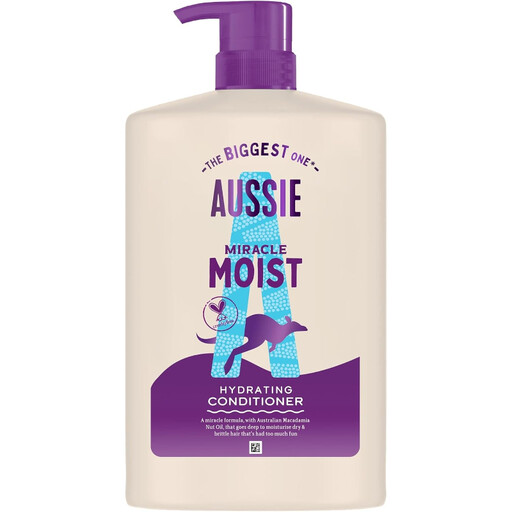
Why we chose it: Ideal for family use or for long, thick hair, this generous size is a budget-friendly and effective daily hydrating solution. Its formula focuses on the essentials: moisture.
It doesn't promise a "miracle" with a single active ingredient but relies on a proven formula, enriched with Australian macadamia nut oil, for intense hydration and effortless detangling.
Its detangling power and ability to restore suppleness to very dry hair make it a practical and reliable ally.
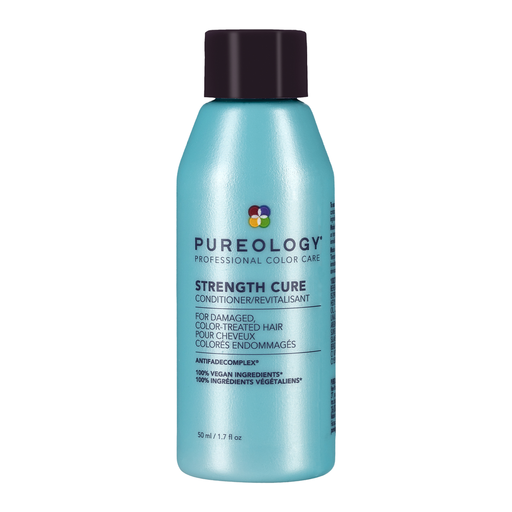
Why we chose it: Specially designed for hair weakened by colouring or chemical treatments, this expert formula combines repair with colour protection. Its 50ml size is perfect for trying it out or taking it on the go.
It offers a targeted solution that addresses two needs at once (repair and colour protection), moving away from the "one-size-fits-all" approach that would only treat one aspect of the problem.
The formula contains Keravis to fortify the hair fibre and the Antifade Complex, which, according to the brand, helps preserve colour vibrancy.
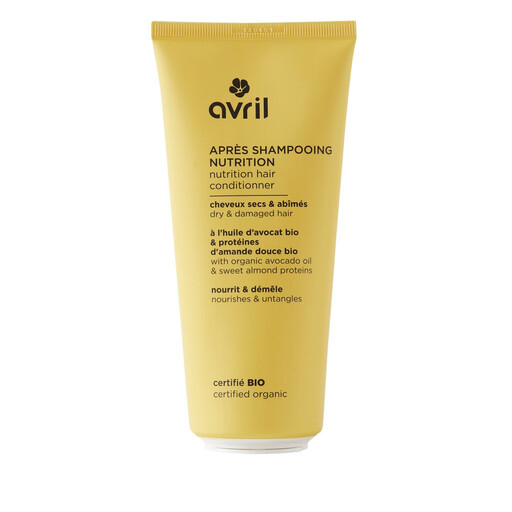
Why we chose it: For fans of natural formulas and stringent certifications, this product, made in France and certified Cosmos Organic by Ecocert, is a safe bet. Its formula focuses on the essentials: nourishment, with no unnecessary additives.
It's all about transparency and natural ingredients. Its formula is clear: 99% ingredients of natural origin, with organic avocado oil and sweet almond proteins to nourish deeply.
It nourishes and restructures the hair fibre with effective organic ingredients, all in a vegan formula that won't weigh hair down.
Our selection doesn't stop here. Discover other treatments that meet our criteria for effectiveness and quality.
Conditioner is a product designed for frequent, even daily, use. Its primary role is to detangle, smooth the cuticle, and provide a quick dose of hydration after shampooing. It has a short application time (1 to 3 minutes). In contrast, a mask for very dry hair is a deep treatment, much more concentrated in repairing and nourishing actives. It's used once or twice a week and left on for longer (from 5 to 20 minutes) to allow it to work deeply.
Not necessarily. Conditioners very rarely contain sulfates, which are cleansing agents found mainly in shampoos. If you see "sulfate-free" on a conditioner, it's most often a marketing claim to align it with the shampoo from the same line. The key to a good hydrating conditioner remains the quality of its nourishing agents (oils, butters, proteins), not the absence of an ingredient that it contains very little, if any, of.
For most everyday conditioners, 2 to 3 minutes is enough for it to work on the surface, smooth the cuticles, and make detangling easier. If it's a richer repairing hair treatment, you can leave it on for up to 5 minutes, focusing on the lengths and ends. In any case, it's always best to follow the recommendations on the packaging.