What to look for in a machine for everyday use
Start with the drinks you actually make, then check the coffee format, frequency of use, maintenance and waste before comparing machines.
| Priority |
What to check |
Your needs |
| Speed and capacity |
Tank capacity, preparation time, preheating and consistency when making several drinks in succession. |
I want to avoid refilling the machine or waiting between several coffees. In the June 2025 OpinionWay survey for Delta Cafés, 39% of the French adults surveyed said they drank 2 to 3 coffees a day, and 21% drank 4 to 10. |
| Cost of consumables |
Compatible format, price of the capsules or pods you choose, price of beans or ground coffee, dosage and cleaning products specified in the instructions. |
I would rather compare the coffee I will actually buy and the number of drinks I will prepare than assume that a more expensive machine will pay for itself over time. |
| Maintenance and noise |
Access to the coffee-grounds container, drip tray, tank and brewing unit; descaling procedure; noise and vibrations measured for the exact model. |
The cleaning routine must fit into my schedule, and grinding must not disturb an open-plan kitchen or early-morning preparations. |
| Waste and recycling |
Type of portion, local recycling guidance for capsules, and whether you can use whole beans, ground coffee or larger packs. |
If I want to reduce individual packaging, I will also compare systems that use coffee bought in larger quantities. ADEME states that aluminium or plastic capsules are placed in the recycling collection for paper and packaging. |
Joybuy options for frequent coffee at home
This Joybuy selection mainly brings together bean-to-cup espresso machines for households that want to adjust drinks using whole beans, along with a soft pod machine for more straightforward preparation.
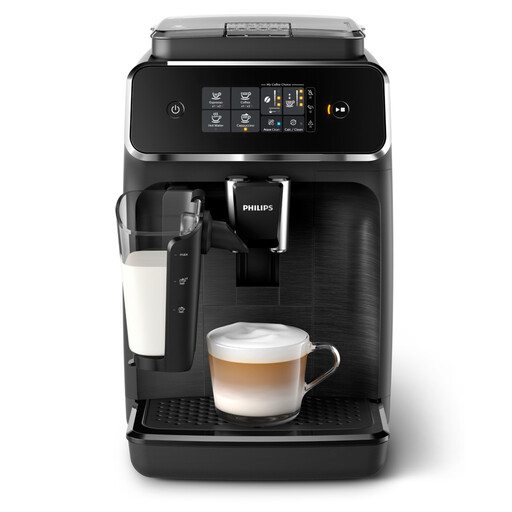 Image unavailable
Philips EP2230/10 Series 2200 LatteGo
A bean-to-cup option for a household that makes several coffees and wants to vary strength, volume and drink type.
1.8 L tank, 275 g bean hopper, twelve grind settings, LatteGo, removable brewing unit and parts stated to be dishwasher-safe. The AquaClean filter is compatible but not included; also check the grinding noise of the exact model.
Joybuy
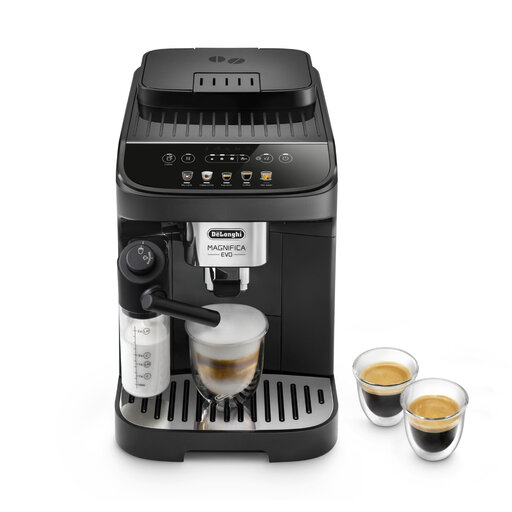 Image unavailable
De’Longhi Magnifica Evo ECAM290.61.B
Suitable for households that alternate between coffee and milk-based drinks while wanting to save individual settings.
1.8 L tank, 250 g bean hopper, grounds container stated to hold 14 cups, conical grinder with 13 levels and a milk carafe with automatic cleaning. Grinding, descaling and cleaning are still required; check the noise and speed for the exact model.
Joybuy
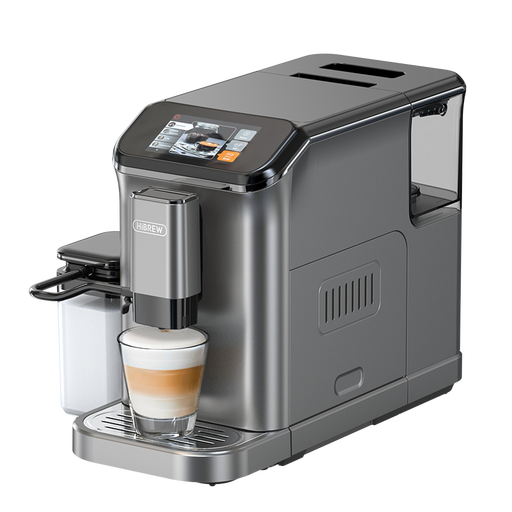 Image unavailable
HiBREW H16 automatic espresso machine
Worth considering when a household makes different coffee or milk-based drinks and wants to save drink volumes.
Six drinks, saveable coffee and milk volumes, conical grinder with 15 levels, touchscreen, stated dual boiler and 1.5 L tank. Check the instructions for the bean hopper capacity, descaling, noise and the duration of successive preparations.
Joybuy
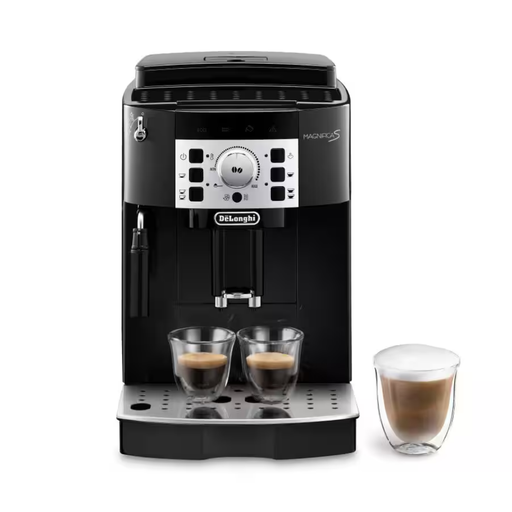 Image unavailable
De’Longhi Magnifica S ECAM22.140.B
A bean-to-cup machine for making coffees one after another, with a choice of whole beans or pre-ground coffee.
1.8 L tank, adjustable conical grinder, two-cup preparation, steam wand, water filter and descaling alert. Milk-based drinks require manual intervention and regular cleaning of the steam wand.
Joybuy
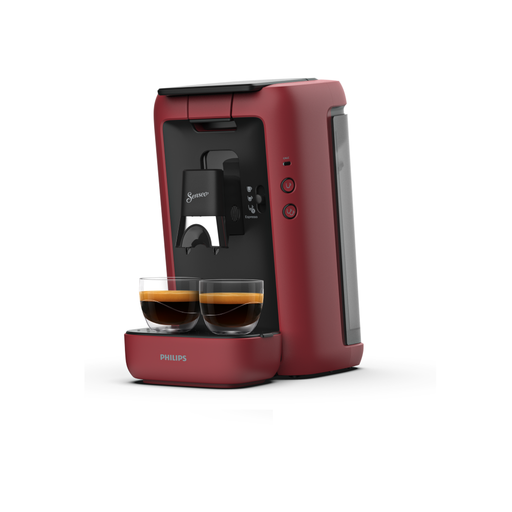 Image unavailable
Philips Senseo CSA260/91 Maestro
A soft pod option for households that prioritise quick preparation with one or two cups.
1.2 L tank stated to make at least eight cups, direct-touch recipes, Memo function, adjustable spout, descaling indicator and parts stated to be dishwasher-safe. Check the compatible pods, their price and the drink format you are looking for.
Joybuy
Frequently asked questions
Is a bean-to-cup machine necessarily suitable for a household that drinks a lot of coffee?
No. It is most suitable if you want to choose your beans and adjust your coffee, while accepting the maintenance required for the grinder and containers, as well as descaling. For instant individual coffees with minimal handling, capsules or pods may fit your everyday routine better.
Should you check the noise level before buying a bean-to-cup espresso machine?
Yes, particularly in an open-plan kitchen or when preparing coffee early in the morning. The UFC-Que Choisir test protocol published in 2026 assesses noise and vibrations during preparation; look for a measurement or test relating to the exact model rather than a general brand claim.
How often should a coffee machine be descaled?
The frequency depends on the machine, the water and how often it is used. Follow the instructions for the model you buy, as some machines require or rule out specific descaling products.
How should coffee capsules be recycled in France?
ADEME states that aluminium or plastic capsules should be placed in the recycling bin, bag or container for paper and packaging. Paper capsules can only be composted if a composting or food-waste collection service is available near you.
What should you do with an electric coffee machine at the end of its life?
Do not put it in the household waste. The ministry responsible for ecological transition recommends prioritising repair, reuse or a suitable collection point for electrical and electronic equipment.


