
Livraison le jour même ou le lendemain

Qualité garantie

Débloquez vos offres de bienvenue: Livraison GRATUITE | Jusqu'à -80 % | 30 jours d'essai gratuits à JoyPlus
Téléchargez l'application
For many, the morning coffee is a sacred ritual. But the difference between a simple cup and a coffee shop-worthy experience often comes down to one detail: the gear. With a maze of available accessories, making the right choice isn't easy. That's why we've selected the coffee accessories that will truly make a difference, whether you're a filter coffee aficionado or a budding latte art apprentice.
As a Product Specialist at Joybuy, my role is to unearth hidden gems for you: accessories that are functional, durable, and deliver on their promises. Forget the marketing jargon; here, we're all about practical advice.
Before diving into our selection, here are a few essential criteria to help you choose wisely.
The choice of material is crucial: it affects both the lifespan of your accessory and the taste of your coffee. 304 stainless steel is the gold standard for a stainless steel milk pot or a milk pitcher: it's robust, corrosion-resistant, easy to clean, and never alters the flavour. For a French press, borosilicate glass is a better choice, as it withstands thermal shock without flinching while remaining perfectly neutral.
For drinks like cappuccinos or lattes, precision is everything. Good barista equipment is distinguished by details that make all the difference. For example, the shape of a milk pitcher's spout is crucial for successful latte art. A thin, well-designed spout ensures a controlled flow of milk, a prerequisite for creating complex patterns.
Your choice of equipment will be guided by your preferred brewing method. If you enjoy a full-bodied coffee rich in flavour, a French press is an excellent starting point. For fans of milky drinks, a manual milk frother or a pitcher designed for your espresso machine's steam wand will be an invaluable ally.
Let's get down to business: here is our selection of products that stand out from the crowd, designed for different uses.

Why It Stands Out Its unique feature? A patented "crocodile" style spout with two flow channels. This exclusive design offers stunning control over the milk flow, making it much easier to create precise latte art designs.
Key Features
Who Is It For? For enthusiasts who want to start or improve their latte art and are looking for the perfect tool to master their milk pouring.

Why It Stands Out This model goes a step further with a "Hawksbill" spout and a turbine-inspired cylindrical base. The goal? To promote optimal milk rotation during frothing to create a microfoam of unparalleled richness and consistency.
Key Features
Who Is It For? For discerning home baristas who demand flawless foam texture and professional-level precision.
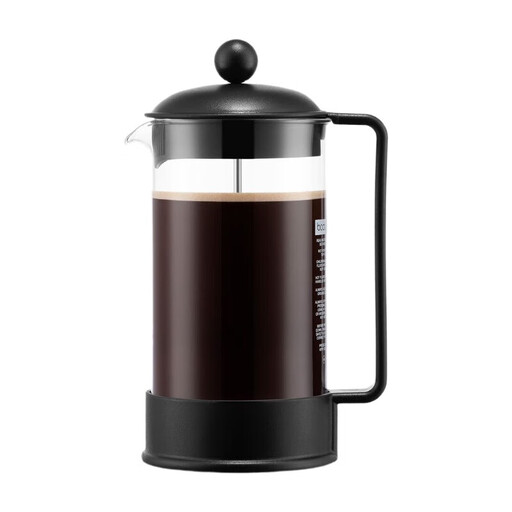
Why It Stands Out The Bodum Brazil is a timeless classic, and for good reason. Its functional, iconic design makes it a trusted choice. It embodies a simple, effective, and eco-friendly brewing method, with no paper filters or pods to throw away.
Key Features
Who Is It For? For those who love the rich taste and silky texture of French press coffee. It's the ideal solution for brewing large quantities of coffee, simply and sustainably.
Your attention to detail probably doesn't stop at your coffee cup. If you appreciate clean, functional design, why not apply that philosophy to the rest of your home? To bring a touch of industrial, minimalist style to your bedroom, take a look at our selection of black metal beds.
1. What's the difference between a French press and a classic drip coffee maker? A French press steeps the coffee grounds directly in hot water. A metal filter is then pressed down to separate the grounds. The result is a fuller-bodied, more robust coffee that retains its natural oils. In contrast, a classic drip coffee maker passes water through a paper filter. This produces a cleaner, milder drink, as the filter traps most of the oils and sediment.
2. How do I choose the right size milk pitcher? It all depends on your habits. A 350 ml pitcher is enough for one cappuccino or latte. For more versatility, a 500 to 600 ml model is ideal: it allows you to prepare two drinks at once and gives you more room to froth milk without risking overflow.
3. Is stainless steel really the best material for a milk pot? Yes, absolutely, and for several key reasons. Stainless steel is non-porous, meaning it doesn't absorb odours or flavours. It's also highly resistant to impact and rust, making it a long-term investment. Finally, its good thermal conductivity is a major asset for controlling the milk's temperature as it heats with a steam wand.