
Livraison le jour même ou le lendemain

Qualité garantie

Débloquez vos offres de bienvenue: Livraison GRATUITE | Jusqu'à -80 % | 30 jours d'essai gratuits à JoyPlus
Téléchargez l'application
A star in the wellness drink category, coconut water has established itself as the ultimate healthy and natural alternative. Whether you're an athlete, health-conscious, or simply looking for a substitute for soda, navigating the dedicated aisle can quickly become a headache. Between misleading marketing and long ingredient lists, it's easy to make a mistake.
As the editorial team's product expert, my mission is to help you see things more clearly. We'll break down the pitfalls to avoid and the essential criteria for choosing a coconut water that's right for you.
Marketing can sometimes make it difficult to distinguish between an authentic product and a disguised sugary drink. Here are the two most common mistakes.
To make the right choice, there are three objective points to check on the label.
The first step: check the ingredients. A 100% coconut water is exactly what its name implies: the pure liquid extracted from young coconuts. This is the best option for healthy, additive-free hydration.
Coconut water naturally contains a small amount of sugar (usually between 3 and 5g per 100ml). However, many manufacturers add more to standardise the taste or appeal to palates accustomed to very sweet drinks.
Look for the "no added sugar" label. To be absolutely sure, take a look at the nutritional information and the ingredient list. The presence of terms like "cane sugar" or "fructose" is a dead giveaway that sugar has been added. A good hydrating drink for an athlete has no need for added sugars.
The packaging will depend on your usage.
To guide you, here is our selection of products that meet specific needs, all while adhering to the criteria we've just discussed.
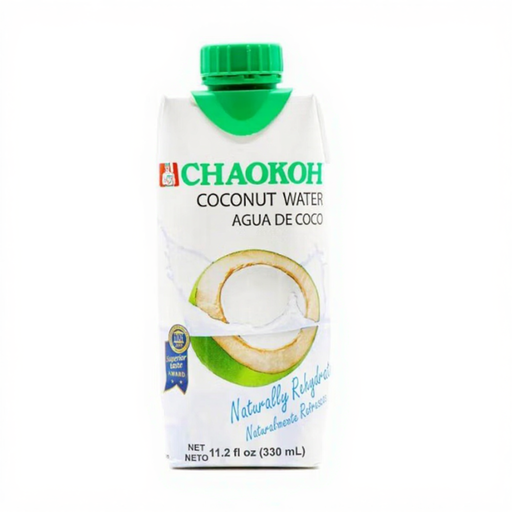
Why we chose it: Ideal for post-workout rehydration, this 330ml can slips easily into a gym bag. Its 100% pure composition guarantees a supply of natural electrolytes, with no unnecessary additives.
This isn't a "coconut-based drink," but a true 100% coconut water. The ingredient list couldn't be simpler: there's only one.
Low in calories (20 kcal/100ml) and fat-free. Its format is perfect for on-the-go consumption.
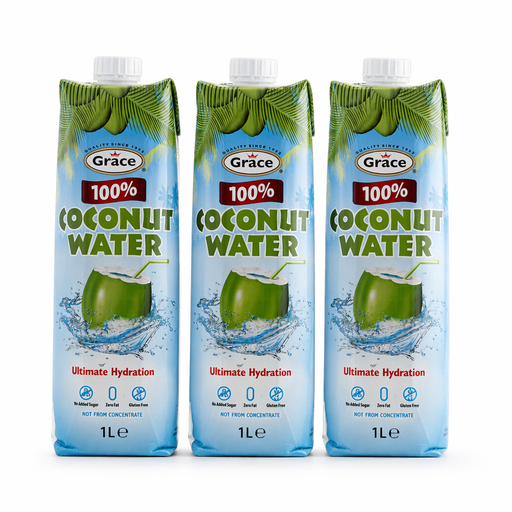
Why we chose it: For those who have made coconut water part of their daily routine, this 1L format is perfect. It can be kept in the fridge and used as a refreshing drink or as a base for smoothies and other healthy recipes.
The ingredient list is crystal clear: "coconut water." Zero added sugar, zero additives. This is a genuine no added sugar option.
Economical format for regular use. A 100% natural composition for healthy hydration.
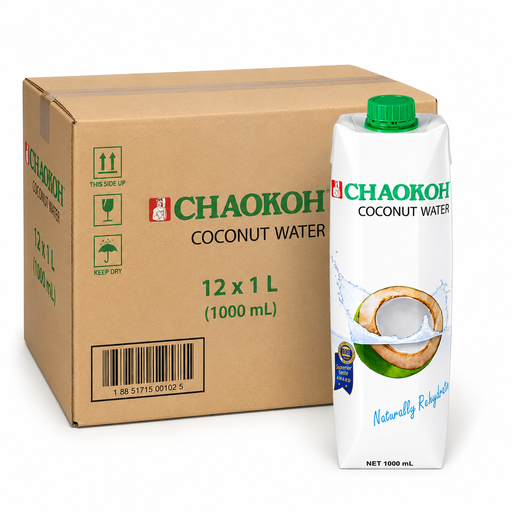
Why we chose it: Buying in bulk is the smartest solution for families or offices. This coconut water multipack of twelve 1L cartons ensures a constant supply of a healthy drink everyone loves, at an unbeatable unit cost.
This pack contains 100% pure coconut water, with no added sugars or preservatives. You get quality and simplicity, even when buying in volume.
Excellent value for money. Ideal for never running out and encouraging healthy daily hydration.
We've put together a complete selection of products that meet our strict selection criteria.
Thanks to its natural richness in electrolytes (especially potassium), coconut water is an excellent option for hydrating before, during, or after low to medium-intensity exercise. For very long or intense efforts, more technical sports drinks may be necessary.
Once opened, coconut water should be stored in the refrigerator and consumed within 2 to 3 days to preserve its freshness and taste. Always follow the instructions on the packaging.
They are two completely different products. Coconut water is the clear, translucent liquid found inside young, green coconuts. It is very low in calories and contains almost no fat. Coconut milk, on the other hand, is made by pressing the white flesh of a mature coconut. It is much richer, creamier, and higher in calories, and is primarily used in cooking.