
Livraison le jour même ou le lendemain

Qualité garantie

Débloquez vos offres de bienvenue: Livraison GRATUITE | Jusqu'à -80 % | 30 jours d'essai gratuits à JoyPlus
Téléchargez l'application
Standing in the world foods aisle, faced with a wall of canned coconut milk, it's easy to feel overwhelmed. Milk, cream, light versions, with or without additives… Which one should you choose to perfect your Thai curry, creamy soup, or exotic dessert?? Navigating the options can be tricky.
As product experts at Joybuy, our mission is to help you make sense of it all. This guide will demystify the differences between coconut milks to help you choose the one that will elevate your dishes, based on two simple criteria: fat content and the ingredients list.
Before we get to our top picks, here are the key points to check to ensure you make the right choice.
The fundamental difference between coconut milk and coconut cream is their fat content. This single criterion changes everything in terms of texture and culinary use.
Naturally, your choice depends on what you plan to cook.
A quality coconut milk has a short ingredients list: coconut extract and water, and that's it. Some manufacturers add stabilisers or emulsifiers (like guar gum) to prevent the fat from separating from the water. While this isn't a deal-breaker, purists will prefer a 100% natural composition.
We've selected three products that cover all the essential needs, chosen for their quality and versatility.

With its 19?% fat content, this AROY-D coconut milk is a staple in Asian cuisine. It offers a creamy texture and a coconut flavour that is both pronounced and balanced, without ever being overpowering. Its minimalist composition (60% coconut extract, water) is a mark of its reliability and authenticity.
For anyone looking for a high-quality, all-purpose product for their savoury recipes, especially for those just starting with Thai cooking. It's the gold standard for a coconut milk for curry.
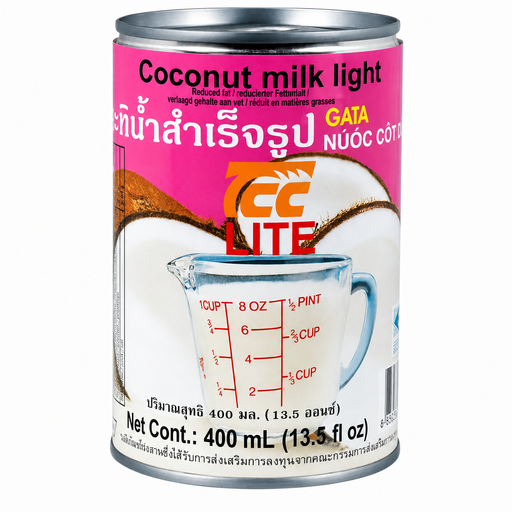
This light coconut milk from CHAOKOH has just 6?% fat. It allows you to create flavourful dishes with an exotic touch of coconut, but with fewer calories.
For those who want a less rich alternative for everyday use, or for recipes where creaminess isn't the top priority.
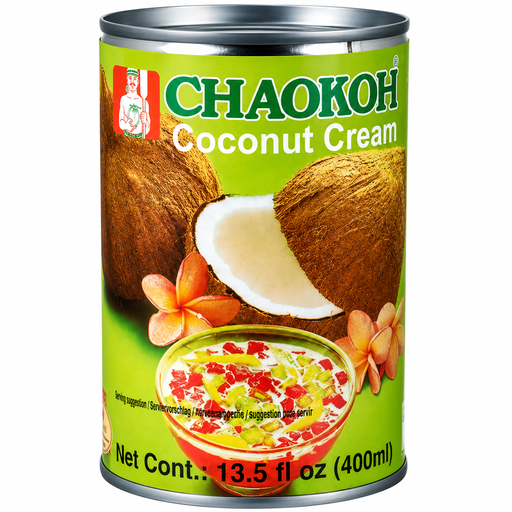
With its 22?% fat content, this CHAOKOH coconut cream is the secret ingredient for unparalleled creaminess and richness. Its thick, velvety texture is designed for preparations that require structure.
For baking enthusiasts and cooks looking for a coconut milk for dessert or a truly luscious curry.
Our selection covers the most common uses, but the world of coconut milk is much broader. Whether you need a different size, another brand, or a specific fat content, we're sure to have the product for you.
? Discover our full range of coconut milks and creams
It's all about the fat content, which determines the texture. Coconut cream (> 20?%) is thick and rich, perfect for desserts. Classic coconut milk (15-19?%) is the most versatile, ideal for soups and curries. Light coconut milk (< 10?%) is much more liquid and should be reserved for lighter preparations.
Once the can is open, never leave the leftovers in the metal can. Transfer the remainder to an airtight container (glass or plastic) and store it in the refrigerator, where it will keep for 3 to 4 days. Don't be surprised if the fat solidifies in the cold; simply stir or gently warm it to restore a smooth consistency.
No, that would be a mistake. Light coconut milk is perfect for thinning a sauce, making a light soup, or blending a smoothie. However, for recipes that rely on the richness and binding power of coconut fat (like panna cotta, ice cream, or a very creamy curry), the result would be disappointing. For those dishes, opt for a classic milk or, even better, a coconut cream.