Standing in the world foods aisle, choosing a coconut milk can quickly become overwhelming. Liquid, cream, powder, in a can or a carton... How do you navigate the options and find the product that will perfect your next dish? Whether you're preparing a Thai curry, a vegan dessert, or an exotic smoothie, each version has its own strengths.
Our mission: to help you make sense of it all. This guide breaks down the different options on the market so you can buy the coconut milk that's perfectly suited to your needs, without falling for marketing ploys.
How to Choose the Right Coconut Milk?
Before we get to our top picks, here are a few essential criteria to help you make the right choice. After all, the secret to a successful recipe is often choosing the right ingredient.
1. Milk, Cream, or Powder: It's All About the Application
The first distinction to make is based on texture and concentration.
- Liquid Coconut Milk: This is the most versatile option. Sold in a can or carton, it forms the base for many recipes. Its fluid consistency is perfect for soups, sauces, and of course, the famous coconut milk for curry. Its fat content varies, which determines the final creaminess of the dish.
- Coconut Cream: Thicker and richer, coconut cream has a higher percentage of fat. It's ideal for adding a creamy finishing touch, whipping up a vegan whipped cream, or creating dense, flavourful desserts.
- Powdered Coconut Milk: A convenient and economical option. Powdered coconut milk has a very long shelf life and allows you to control the consistency down to the gram, simply by adding water. It's perfect for occasional use or for those who like to master the richness of their dishes.
2. Fat Content: The Secret to Creaminess
Check the label! The fat percentage is the true indicator of the product's intended use.
- Between 5% and 9%: This is a light coconut milk, perfect for drinks, smoothies, or clear soups.
- Between 12% and 19%: This is the standard for everyday cooking. It's ideal for curries and saucy dishes that require a good balance of flavour and fluidity.
- Over 20%: You're moving into the category of coconut creams or very rich milks. They provide unparalleled creaminess and an intense coconut flavour, perfect for desserts or thick, coating sauces.
3. The Ingredients: Simplicity Is Key
Good coconut milk doesn't need a long list of ingredients. The best products contain only coconut extract and water. Some add a stabiliser or emulsifier to prevent the fat from separating from the water (a completely natural phenomenon). For a vegan coconut milk option, simply ensure the ingredients are free of milk proteins, which are sometimes used as an additive in powdered versions.
Recommended Coconut Milks and Creams
Now for our top picks. We've selected four products with distinct profiles, each meeting a specific culinary need.
Concentrated Coconut Cream (Santen) VDS - 200 gr
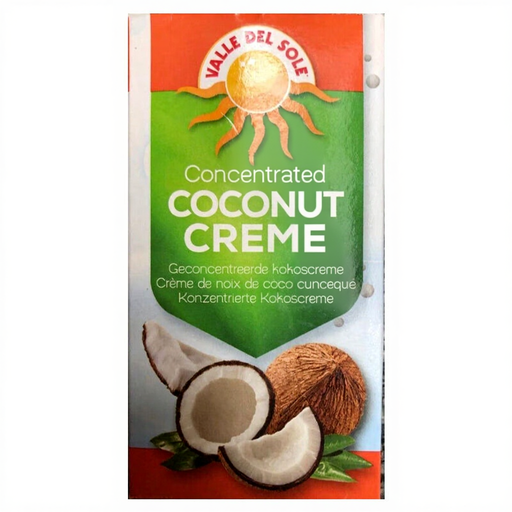
- Why it stands out: This isn't a liquid, but a block of pure, concentrated coconut cream, also known as santen coco. This solid paste at room temperature dissolves in hot water to create a milk or cream with a custom consistency. Its richness is unmatched.
- Key features:
- Very high fat content (66.8 g per 100 g) for maximum creaminess.
- 100% coconut product, with no additives.
- Economical and versatile format: allows you to create custom milk or cream.
- Who is it for? Discerning cooks looking for an intense coconut flavour and a very rich texture for their rendangs, sauces, or desserts.
CHAOKOH Instant Coconut Milk Powder - 60 g
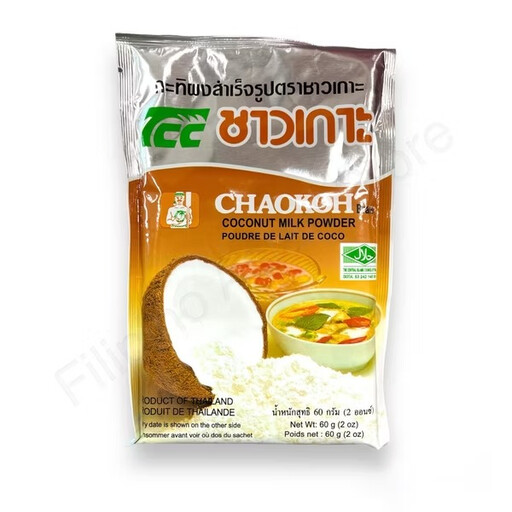
- Why it stands out: Convenience is the name of the game with this powdered coconut milk. It dissolves quickly in water and prevents the waste from half-used cans. Ideal for adjusting the richness of a dish at the last minute.
- Key features:
- Individual sachet format, perfect for single use.
- Long shelf life.
- Adjustable richness depending on the amount of water added.
- Who is it for? Those who cook with coconut milk occasionally or want total control over the consistency of their recipes, from the lightest soups to the thickest creams.
WMIL Canned Coconut Milk - 400 ml
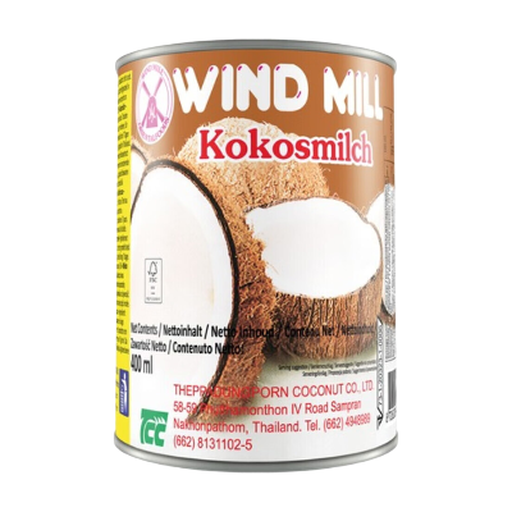
- Why it stands out: This is the go-to classic, the ultimate reliable format. This canned coconut milk offers a perfect balance with its 13.9% fat content, making it ideal for a multitude of savoury and sweet recipes.
- Key features:
- Versatile fat content, ideal for everyday cooking.
- Simple ingredients: coconut extract, water, and a touch of citric acid as an antioxidant.
- Halal certified, suitable for vegetarian and vegan diets.
- Who is it for? Anyone looking for an all-purpose coconut milk for their curries, dahls, soups, and other slow-cooked dishes. A pantry essential.
Aroy-D Coconut Milk - 250 ml
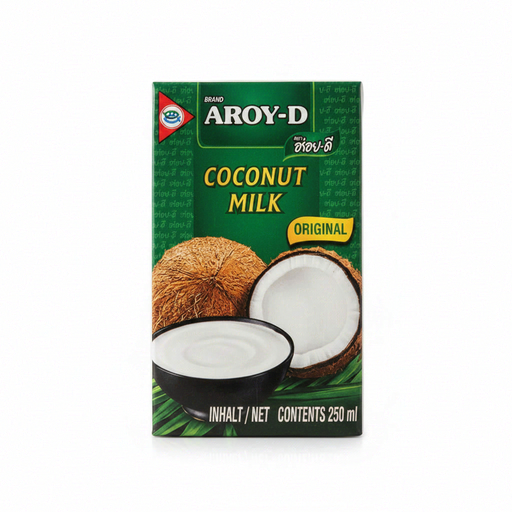
- Why it stands out: With 70% coconut extract and 19% fat, this carton of milk guarantees an authentic flavour and a very creamy texture. Its small 250 ml size is incredibly practical for avoiding waste.
- Key features:
- High coconut extract content for a pronounced taste.
- Rich and creamy texture, similar to a light cream.
- Convenient 250 ml size for recipes that require a small amount.
- Who is it for? Ideal for solo cooks or couples, as well as for recipes that need a rich, creamy touch without opening a large can.
Other Options to Explore
Our selection focuses on products with well-defined uses, but the world of coconut milk is vast. If you're looking for different formats or even more concentrated products, feel free to explore our full range.
Discover our range of concentrated coconut milk
Frequently Asked Questions About Coconut Milk
What's the difference between coconut milk and coconut cream?
The main difference lies in the concentration and fat content. Coconut cream is thicker and fattier (usually above 20%) than coconut milk (between 5% and 19%). The milk is more liquid and is used as a base for soups and sauces, while the cream is used to enrich, thicken, or garnish a dish.
How should I store coconut milk after opening it?
Once the can or carton is opened, the coconut milk should be transferred to an airtight glass or plastic container and stored in the refrigerator. It's best to consume it within 3 to 5 days. Powdered coconut milk, on the other hand, can be stored for several months in a dry place away from light and moisture, once the sachet is tightly sealed.
Can you freeze coconut milk?
Yes, you can freeze coconut milk, for example, in an ice cube tray for use in small portions. However, freezing can alter its texture. After thawing, it might seem grainy or separated. A good whisk or a quick spin in the blender is usually enough to restore a smooth consistency. It will be better suited for cooked dishes rather than for cold applications.


