
Livraison le jour même ou le lendemain

Qualité garantie

Débloquez vos offres de bienvenue: Livraison GRATUITE | Jusqu'à -80 % | 30 jours d'essai gratuits à JoyPlus
Téléchargez l'application
The coconut milk aisle can be bewildering. Light, classic, organic, with or without additives… How do you know which can will elevate your curry, add that extra creaminess to your soup, or make your dessert truly decadent? Every recipe has its own demands, and choosing the right coconut milk makes all the difference.
As the Head of Product Recommendations at Joybuy, my role is to guide you through this jungle. Our goal: to decode the labels to help you choose the perfect product for your needs, cutting through the marketing jargon.
Before we get to our selection, here are the key points to check to make the right choice in the aisle.
This is THE number one criterion. The fat percentage determines the product's richness, texture, and therefore its primary use.
The recipe for a good canned coconut milk is simple: coconut extract and water. That's it. You'll often find stabilisers or emulsifiers (guar gum, xanthan gum) in the list. Their role? To prevent the fat from separating from the water and to ensure a smooth texture. While they are harmless, they aren't essential. Rule of thumb: a short ingredient list is almost always a sign of quality.
The question to ask yourself before choosing is: what are you going to cook?
We have selected three products that each meet a specific culinary need.
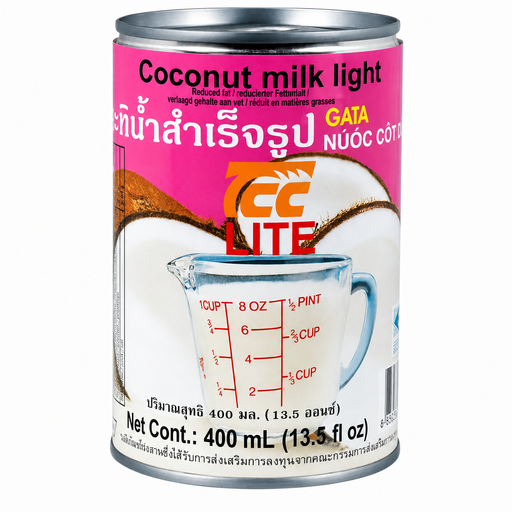
Why we love it: To get all the coconut flavour with fewer calories. It's the perfect alternative for those who want the taste without the richness of a classic milk.
Highlights:
Who is it for? For those watching their calorie intake or looking for a touch of coconut without weighing down a dish. It's perfect for light soups, marinades, or for deglazing vegetables.

Why we love it: It's the gold standard for authentic Thai cooking, thanks to its richness and impeccable ingredients.
Highlights:
Who is it for? For lovers of Southeast Asian cuisine who don't compromise on authenticity. It's the number one choice for a perfectly creamy green or red curry, or for any recipe that requires a rich and flavourful base.
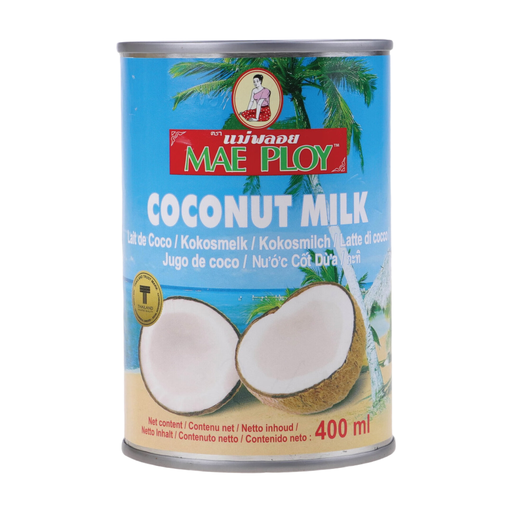
Why we love it: It strikes the perfect balance between richness and lightness, from a go-to brand in Thai cuisine.
Highlights:
Who is it for? This is the ultimate versatile coconut milk that will satisfy beginners and experts alike. Ideal for curries, soups, sauces, and some desserts, it's the pantry staple you should always have on hand.
Our selection covers the most common uses, but the world of coconut milk doesn't end here. Looking for a specific fat content, a particular size, or want to discover other brands? We've got you covered.
? Discover our full range of canned coconut milks
1. What's the difference between coconut milk and coconut cream? It's all about the concentration of coconut, and therefore, the fat content. Coconut milk (usually 17-19% fat) has a liquid yet creamy consistency. Coconut cream, which is denser, exceeds 20% fat. It's perfect for desserts or for adding a final indulgent touch to a dish.
2. Can you use light coconut milk for a Thai curry? Technically, yes, but don't expect the same result. A light coconut milk will yield a much thinner and less velvety sauce. To achieve the rich texture of a true curry, a classic milk (minimum 17% fat) is essential. With a light milk, you'll get a kind of spicy soup, not a creamy, saucy dish.
3. How do you store coconut milk once the can is open? Rule number one: never leave it in its metal can. Immediately transfer it to an airtight container (glass or plastic). It will keep for 3 to 4 days in the refrigerator. Don't panic if the fat solidifies in the cold; this is completely normal. Just stir it well before using.