
Livraison le jour même ou le lendemain

Qualité garantie

Débloquez vos offres de bienvenue: Livraison GRATUITE | Jusqu'à -80 % | 30 jours d'essai gratuits à JoyPlus
Téléchargez l'application
Coconut cream has become a staple in our pantries. Whether you need to thicken a curry, create a velvety soup, or add an exotic touch to a dessert, it always delivers. Yet, once you're in the aisle, the dilemma begins: carton or can? Full-fat or light? With or without additives?
As the Head of Product Recommendations at Joybuy, my mission is to guide you. I'm here to decode the labels and claims of the various coconut creams on the market. The goal? To help you choose the one that will elevate your dishes, cutting through the marketing noise.
To make the right choice, there's no need to get lost in the details. Focus on three key points to check before you buy.
This is the number one criterion for texture. The higher the percentage, the richer and denser the cream will be.
The ingredients list speaks volumes about the product's philosophy.
The container also plays a role, especially when it comes to storage.
Enough theory, on to the tasting! We've vetted several top products on the market to bring you a selection that meets every need and preference.
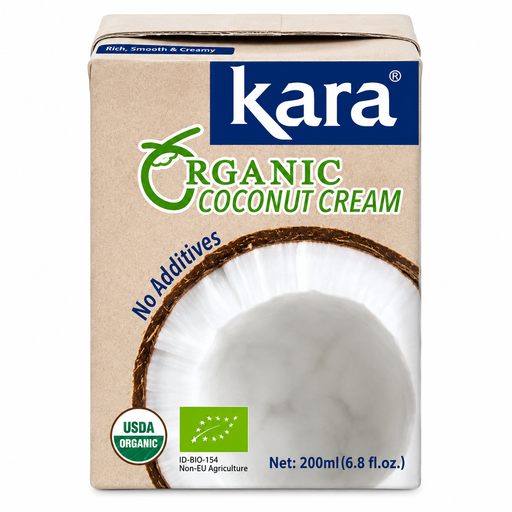
Why it stands out: It ticks all the boxes for purists: organic certification, a record-high fat content of 24%, and an ultra-simple ingredients list. It's the quintessential authentic product, with no stabilisers or preservatives.
Key features:
Who is it for? For organic food lovers who demand a thick, ultra-rich coconut cream for their most indulgent desserts or sauces. Its small format is ideal for occasional use.
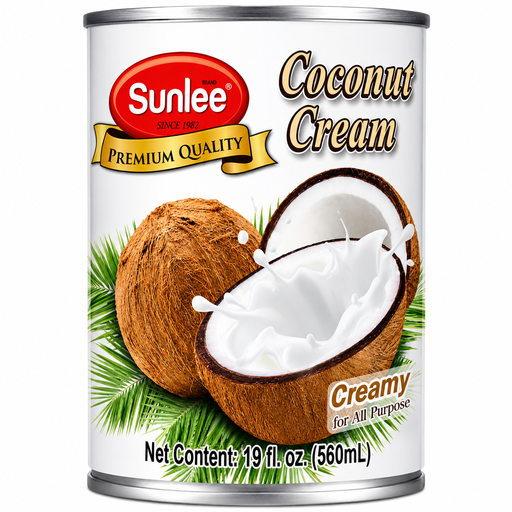
Why it stands out: This is a reliable pantry staple. A classic canned coconut cream that combines a generous 400 ml size with a consistently perfect texture. It's a dependable partner for everyday cooking, especially for Asian-inspired flavours.
Key features:
Who is it for? For those who often cook in large quantities and want a flawless result every time, without any guesswork.
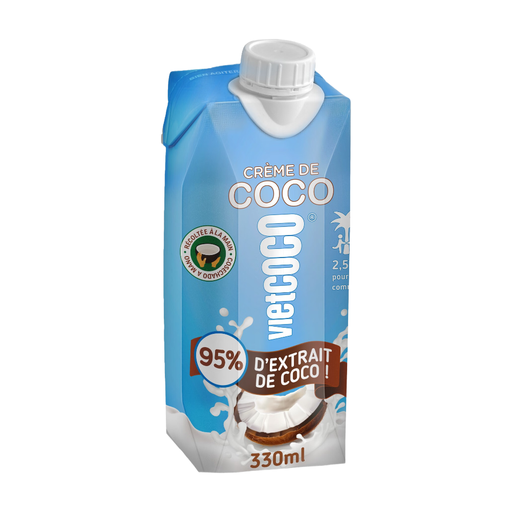
Why it stands out: Hailing from Vietnam, this cream is all about intense flavour. Its clever 330 ml carton format is the perfect compromise between small portions and large cans, making it incredibly versatile.
Key features:
Who is it for? For those looking for a plant-based cream with a bold coconut flavour, in a convenient format for regular, waste-free use.
This selection is just a taste. To discover other formats, lighter creams, or other brands that might surprise you, explore our full department.
? Discover our full range of coconut milk & coconut cream
1. What is the difference between coconut milk and coconut cream? It all comes down to concentration and fat content. Coconut cream contains more coconut pulp and less water, making it thicker and richer (generally above 15% fat). Coconut milk, on the other hand, is more fluid and lighter.
2. Can you substitute coconut cream for dairy cream? Absolutely! It's an excellent plant-based and lactose-free alternative. It works wonders in savoury dishes (curries, soups, sauces) and desserts, where its exotic flavour is a real bonus. Just keep its distinct taste in mind if you're aiming for a neutral result.
3. How do you store coconut cream after opening? For canned coconut cream, the best practice is to transfer the leftovers into an airtight glass or plastic container. For a carton, simply reseal it tightly. In both cases, store it in the refrigerator, where it will keep for 3 to 5 days.