
Livraison le jour même ou le lendemain

Qualité garantie

Débloquez vos offres de bienvenue: Livraison GRATUITE | Jusqu'à -80 % | 30 jours d'essai gratuits à JoyPlus
Téléchargez l'application
A clothespin that breaks after a few weeks, a spring that rusts and stains your favourite shirt, clothes that end up on the ground at the first gust of wind... These scenarios are frustrating, and yet all too common. Choosing clothespins might seem trivial, but quality varies dramatically from one model to the next. Our mission? To help you avoid the most common pitfalls so your next purchase is finally the right one.
Before you fill your cart, let's review the two major flaws that condemn most clothespins to a record-short lifespan.
To avoid these mishaps, you just need to check a few key points. This is what makes all the difference between a purchase you have to replace every year and a set of clothespins that will last you for years.
The choice of material has a direct impact on the longevity and maintenance of your clothespins.
The spring is the heart of the clothespin. It provides the clamping force and is the first line of defence against corrosion.
Not all clothespins are created equal when facing the elements. For outdoor drying, especially on an exposed balcony or in a windy garden, a windproof clothespin isn't an option—it's a necessity. It stands out with a stronger spring and a wider contact surface for a better grip on the line. For nomads, travel clothespins, which are more compact and lightweight, are perfect for occasional use.
Instead of an exhaustive list, we've selected models that meet specific needs. There's an ideal clothespin for every profile.
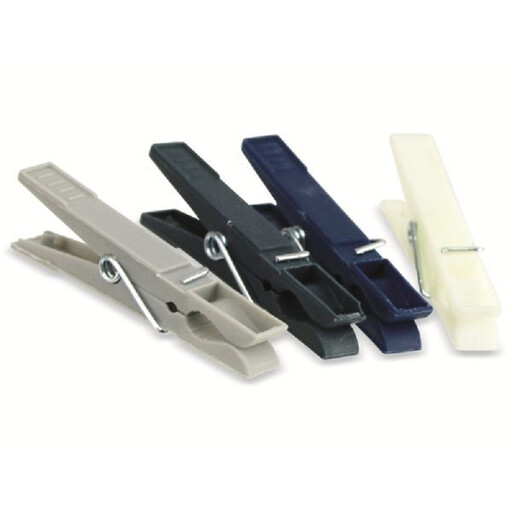
Who it's for: This 30-pack is a great deal for a family's daily needs. Its simple design gets straight to the point: holding laundry securely, with no frills.
It combines sturdy plastic with a reliable steel spring, saving it from the fate of low-end models that break or rust in a few months. It's built for heavy use.
Excellent value for money. This clothespin set is generous enough to handle several loads of laundry, making it a smart choice for outfitting your home without breaking the bank.
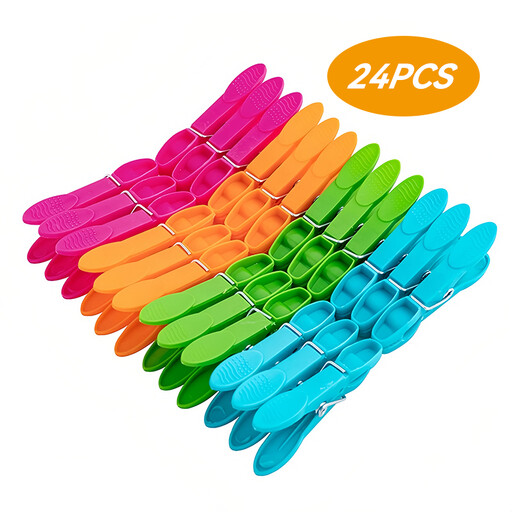
Who it's for: For anyone who hangs laundry outside, the grip of the clothespins is the number one criterion. This model is specifically designed to offer a fail-safe grip and secure laundry, even when the wind picks up.
It doesn't just carry a "windproof" label. Its design incorporates a powerful spring and a shape that maximises pressure, preventing clothes from slipping off the line and ending up on the ground.
Its windproof design guarantees true peace of mind. Its durable plastic and compact size also make them excellent travel clothespins.
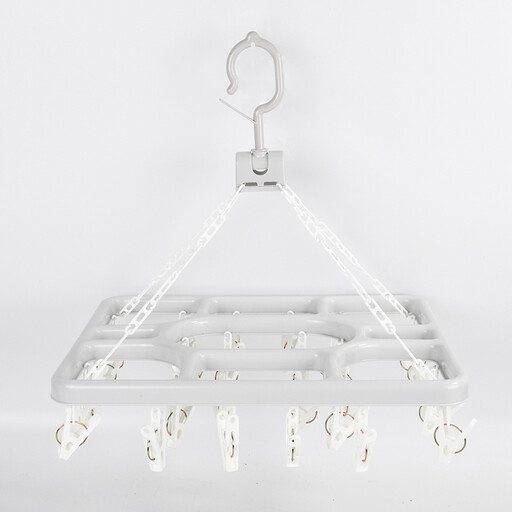
Who it's for: For those who combine form with function and want to minimise marks on delicate textiles. The square shape and understated colour bring a welcome touch of harmony to the drying area.
It bypasses the problem of clothespins that mark laundry. Its wider contact surface distributes pressure evenly, reducing the risk of leaving an unsightly imprint on delicate blouses or t-shirts.
A design that is both modern and functional. These drying rack clips are as beautiful as they are practical, perfect for those with an eye for detail.
Discover our full selection of products that meet our standards for quality and durability.
It all depends on its quality and exposure to the elements. A low-end plastic clothespin left outside all year can become brittle in a single season. Conversely, a good model made of UV-treated plastic with a stainless steel spring can easily last for several years, especially if you bring it inside during the winter.
The trick is to place them on less visible or thicker areas: the seams, hems, or under the armpits. For very delicate fabrics, you can even slip a small piece of cloth between the pin and the garment. Finally, choosing pins with a wide, smooth contact surface helps to distribute the pressure more evenly.
There's no single answer; it all depends on your priorities and how you use them.
In summary, for hassle-free outdoor use, quality plastic remains the most pragmatic choice.