
Livraison le jour même ou le lendemain

Qualité garantie

Débloquez vos offres de bienvenue: Livraison GRATUITE | Jusqu'à -80 % | 30 jours d'essai gratuits à JoyPlus
Téléchargez l'application
A sponge that becomes misshapen within a few days, retains odours or scratches a hob can quickly turn an everyday chore into a recurring purchase. Price and packaging claims are therefore not enough. To find cleaning sponges that are right for your home, focus above all on their material, texture and intended use.
An abrasive side can remove baked-on food residue, but that does not mean it is suitable for a non-stick frying pan, glass or a glossy surface. Even a non-scratch sponge should be tested on an inconspicuous area first: particles trapped between the sponge and the surface can leave marks.
A sponge’s lifespan depends on how often it is washed, the products used and drying conditions. A sponge used every day for washing up will not wear out at the same rate as one reserved for occasional cleaning. Check the care instructions, maximum permitted temperature and replacement recommendations.
A kitchen sponge left at the bottom of the sink stays damp for longer and can retain residue. A structure that rinses easily and dries quickly in the open air will be far more convenient every day. This does not mean you can skip rinsing it after each use or fail to replace it as soon as it starts to fray, lose its shape or smell unpleasant.
For plates, glasses and delicate surfaces, choose a soft side or one explicitly described as non-abrasive. For saucepans and stubborn dirt, a double-sided sponge lets you switch from an absorbent side to a scouring side as needed.
Hobs, non-stick coatings, mirrors and painted surfaces require particular care. The « non-scratch » label indicates the use intended by the manufacturer, but testing the sponge beforehand is still recommended.
An absorbent sponge makes it easier to clean up splashes and wipe worktops. Vegetable cellulose is often chosen for its ability to retain water. Polyurethane and synthetic foams, meanwhile, can offer a consistent grip and quick rinsing. If you have a preference for a particular material, check its composition.
A machine-washable sponge must be cared for strictly according to the manufacturer’s instructions. Some models can withstand a 40 °C cycle, while others accept a higher temperature. When a laundry bag is recommended, use one, then allow the sponge to dry completely.
Traditional or disposable models should be replaced regularly. A stated lifespan of two months or one year reflects the recommendations for certain products, not a rule that applies to all cleaning sponges.
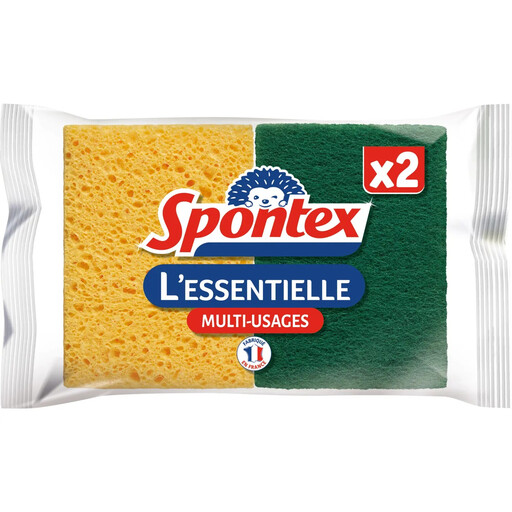
Why this choice suits this profile : This format is ideal for households looking for a simple solution for washing up, wiping and everyday light housework.
Its two sides keep scouring and wiping separate. The manufacturer recommends testing it first on delicate surfaces and replacing it regularly.
A PEFC-certified vegetable sponge, a compact format and a double-sided design for everyday tasks.
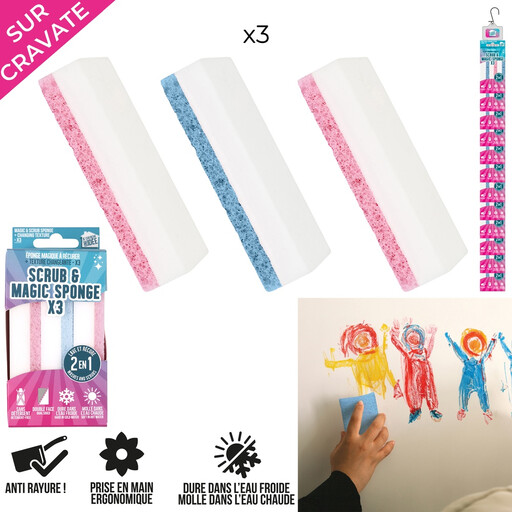
Why this choice suits this profile : This pack is aimed at those who want a versatile sponge for the kitchen, bathroom and everyday marks.
The two sides are designed for different uses. The so-called « magic » side should be tested on an inconspicuous area, especially on glossy or painted surfaces.
A pack of three sponges, an ergonomic profile and a combination of absorbent foam with a scouring side.
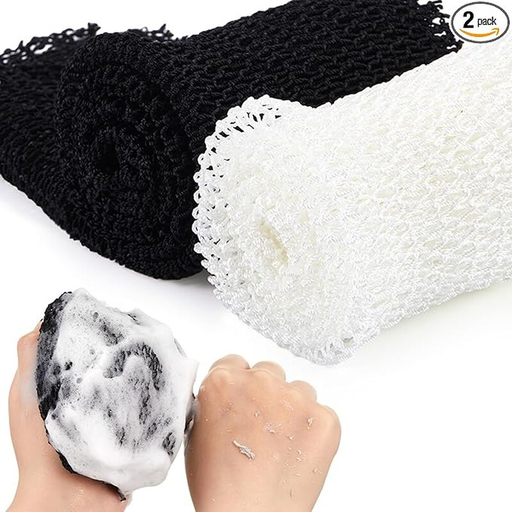
Why this choice suits this profile : This extra-long African exfoliating mesh sponge is designed for people who want to reach their back and shoulders easily in the shower.
Its open structure dries quickly when hung up. This product is intended for the body only and should not be used on irritated or damaged skin.
100% nylon, integrated cords, a 90 g mesh sponge and machine washing available according to the manufacturer’s instructions.
We have put together a comprehensive, real-time updated selection of products that meet these demanding criteria and European safety standards.
Choose a soft side or one explicitly described as non-scratch. Avoid abrasive models that are not intended for this type of coating, and always test the sponge on a small area if the instructions recommend it.
It all depends on the model and intensity of use. Some products claim up to 52 washes or approximately one year under specific conditions. Replace it sooner if it loses its shape, starts to fray, remains malodorous or no longer rinses as effectively.
It can reduce how often you need to buy replacements, provided you follow the permitted cycles and care for it properly. Before choosing, compare the stated number of washes, the pack price and how often you actually do your household cleaning.