
Livraison le jour même ou le lendemain

Qualité garantie

Débloquez vos offres de bienvenue: Livraison GRATUITE | Jusqu'à -80 % | 30 jours d'essai gratuits à JoyPlus
Téléchargez l'application
The undisputed star of breakfasts and afternoon snacks, chocolate spread is a true institution. But with an overwhelming selection ranging from timeless classics to artisanal gems, making a choice can be difficult. How do you find that hidden treasure? What are the criteria that truly matter to ensure you make the right decision?
As a product selection expert at Joybuy, my mission is simple: to cut through the jungle of labels for you and guide you to the best choice. This guide is designed to present options for every palate and give you the keys to understanding what's really inside each jar.
Before diving into our selection, let's review a few essential points to check. These criteria will help you read between the lines on labels and find the jar that will satisfy all your cravings.
The ingredients list is the first clue to the quality and character of a chocolate spread. The golden rule: the first ingredient listed is the most abundant. Some recipes are heavy on sugar, while others put hazelnuts front and centre.
The palm oil issue has become a major deciding factor for many consumers. In response, more and more brands are offering alternatives based on sunflower oil, rapeseed oil, or cocoa butter. A palm oil-free spread is not just a conscious choice; it's also the promise of a different texture and taste that are well worth exploring.
For purists of hazelnut spread, this number is crucial. It determines the intensity of the flavour. While a 13% content is the market standard, some hidden gems, often called hazelnut cream, can go as high as 25%, 40%, or even more. A high percentage is almost always a guarantee of a bolder hazelnut aroma and a more refined texture.
The other star in the jar is, of course, the cocoa. The right balance between the power of the hazelnut and the intensity of the chocolate is a very personal matter. Some recipes, rich in cocoa, border on a ganache, while others let the hazelnut take the lead. A quick look at the composition (cocoa and hazelnut percentages) will give you a good idea of the flavour profile.
Here are the products that caught our attention, whether for their ingredients, origin, or unique taste. From comforting classics to artisanal gems, there's something for every food lover.
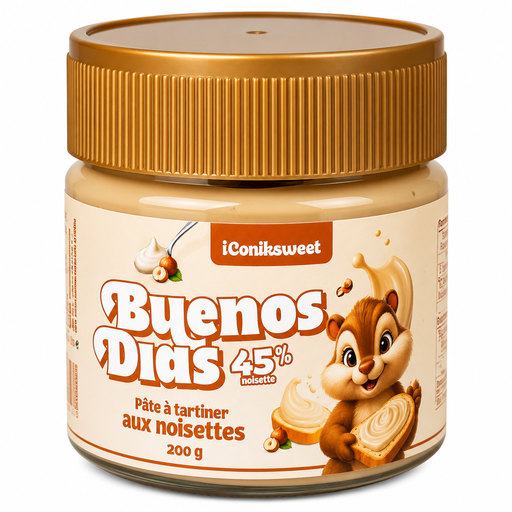
What sets it apart: Made in France, this spread stands out for its palm oil-free recipe. It uses a blend of vegetable oils (sunflower and cottonseed) to ensure a melt-in-your-mouth texture.
Key features:
Who is it for? For families and anyone looking for a palm oil-free spread with a crowd-pleasing taste reminiscent of the great classics.
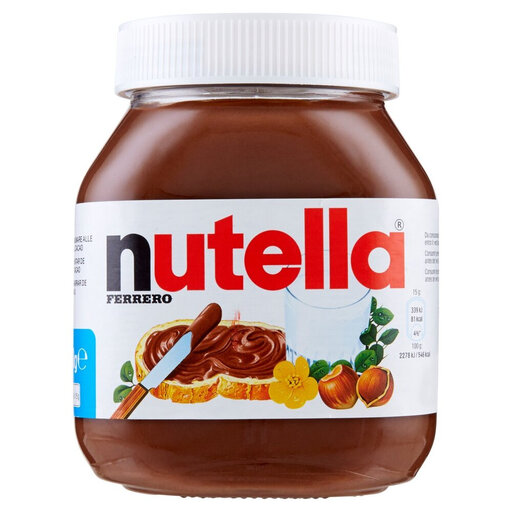
What sets it apart: It's THE undisputed benchmark, with a unique taste that's recognisable anywhere. Its recipe, unchanged for decades, has set the market standard.
Key features:
Who is it for? For die-hard fans of the original taste and anyone for whom "chocolate spread" is synonymous with "Nutella". It's a choice from the heart, a nostalgic indulgence that brings back childhood memories.
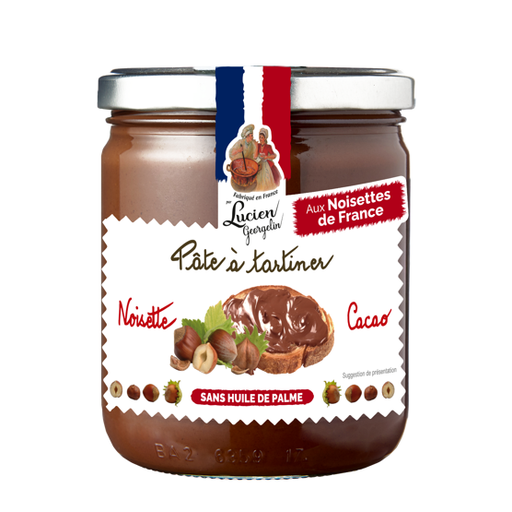
What sets it apart: A gourmet spread that puts regional sourcing and quality hazelnuts first. With 25% roasted hazelnuts from Southwest France, it promises an intense and authentic taste experience.
Key features:
Who is it for? For gourmets and lovers of bold flavours. If you're looking for a hazelnut spread where the nut is king and a clean ingredient list is non-negotiable, this is the perfect choice.
Our selection is just a taste of what's available. The world of spreads is endless: almond, pistachio, speculoos... There is a multitude of flavours, textures, and recipes to explore.
? To discover our entire universe, explore our full category of Nut Spreads.
1. What's the difference between a "hazelnut cream" and a "chocolate spread"? Although the two are often confused, the distinction is simple. A hazelnut cream is a product highly concentrated in hazelnuts (often over 40%) with few other ingredients, sometimes just sugar. A classic chocolate spread is a more complex blend including sugar, cocoa, and fats, which gives it a milder taste and a creamier texture.
2. How should I store my chocolate spread? Most spreads should be stored at room temperature in a cool, dry cupboard, away from light. Above all, do not put it in the refrigerator! The cold solidifies the fats, making the spread hard and grainy. Just remember to close the jar tightly after each delicious break.
3. Why are so many spreads "palm oil-free"? Palm oil is highly valued in the food industry for the stable and creamy texture it provides. However, its intensive cultivation is often criticised for its environmental impact (deforestation). In response to these concerns, many manufacturers are opting for alternative oils (sunflower, rapeseed, cocoa butter) to create their palm oil-free spreads.