
Livraison le jour même ou le lendemain

Qualité garantie

Débloquez vos offres de bienvenue: Livraison GRATUITE | Jusqu'à -80 % | 30 jours d'essai gratuits à JoyPlus
Téléchargez l'application
Choosing a chocolate bar online can quickly become a daunting task. Between the promising packaging and tempting descriptions, it's easy to get lost. Our mission: to help you see things more clearly and navigate the marketing traps, ensuring every tasting is a success.
Before you indulge, let's review the most common pitfalls that can turn a promise of pleasure into a disappointment:
To avoid falling for these traps, focus on a few objective criteria. They are the key to deciphering labels and making the right choice, whether you're looking for a comforting milk chocolate or a bold dark chocolate.
The ingredients list is your best compass. Ingredients are always listed by weight, from the most to the least present. For a quality chocolate, cocoa mass (or cocoa liquor) and cocoa butter should appear at the top, long before sugar. If sugar leads the list, you're holding more of a confection than a true tasting chocolate.
Understanding the terminology means knowing what you're buying:
A label like organic chocolate guarantees that the ingredients are sourced from organic farming, a key criterion for a growing number of consumers. Beyond labels, texture is king: a chocolate biscuit like the Mikado plays on its crunch, while a bar with inclusions (dried fruit, caramel) promises a new sensory experience with every square.
To guide you, here are a few options that cater to different types of chocolate lovers, all meeting our criteria for quality and transparency.
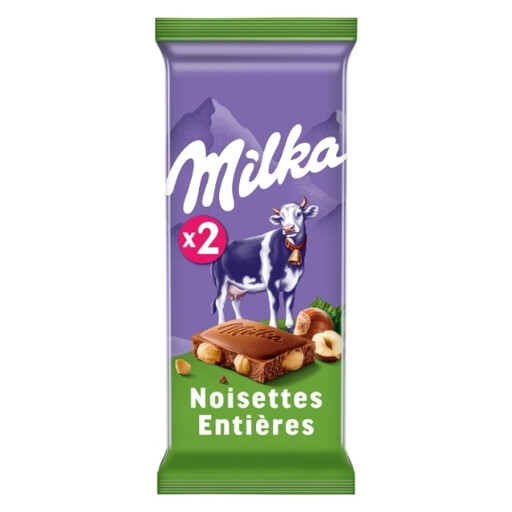
Editor's Take: For those who adore the sweet and generous character of the famous milk chocolate from the Alpine country. Milka chocolate remains a reliable choice for a simple and satisfying treat, perfect for sharing.
Milka doesn't pretend to be a grand cru. The brand embraces its status as a mass-market milk chocolate, with a transparent recipe and that unmistakable taste that has made it so successful.
The perfect combination of the chocolate's melting texture and the crunch of the almond pieces. The two-pack format is as practical as it is budget-friendly.
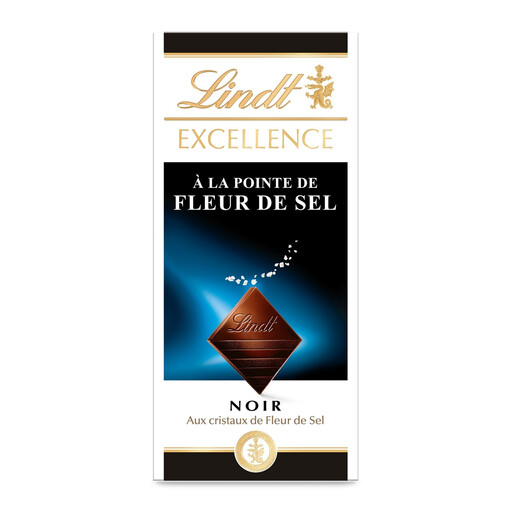
Editor's Take: Perfect for palates that appreciate complex flavours and bold pairings. The Excellence range from Lindt is an essential benchmark for the finesse and quality of its dark chocolate.
Lindt does more than just display a high percentage. The brand focuses on the quality of its beans and unique expertise to create a melting texture without excessive bitterness. Here, the fleur de sel acts as a true flavour enhancer, revealing the full aromatic richness of the cocoa.
The masterful balance between the powerful dark chocolate and the fleur de sel crystals. Its extra-fine texture ensures a long finish and a most refined tasting experience.
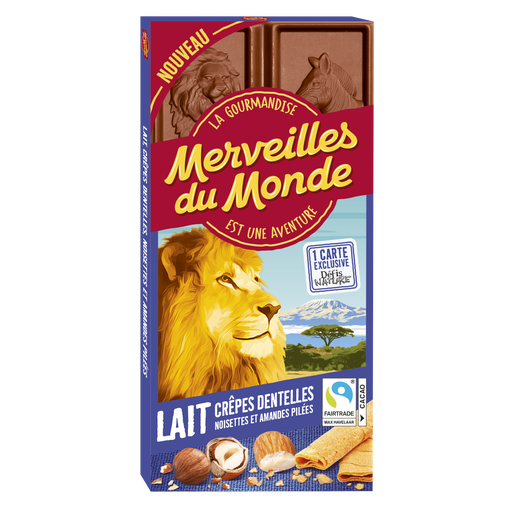
Editor's Take: For those who find classic bars boring and are seeking a multi-sensory experience. This bar is a true festival of intermingling textures.
Here, the term "gourmet" isn't misused. It's justified by a rich and varied composition. The pleasure comes from the combination of crispy wafers, almonds, and hazelnuts, not from an overload of sugar.
A stunning textural complexity that marries the melting quality of milk chocolate, the crispness of lace crepes, and the crunch of nuts. Every square is a new surprise.
Discover our complete, up-to-date selection of chocolate bars that meet our quality standards and regulations.
To preserve all its aromas, store your chocolate bar in a cool, dry place (ideally between 16 and 18°C), away from light and strong odours. Above all, avoid the refrigerator! The cold alters its texture and can cause "blooming" (when cocoa butter rises to the surface). Once opened, re-wrap it carefully in its original packaging or in aluminium foil.
A chocolate with hazelnuts contains whole or chopped hazelnuts simply included in the bar. Praline chocolate, on the other hand, is filled with a smooth preparation called praline. This paste is a finely ground mixture of roasted hazelnuts (or almonds) and caramelized sugar. The result? A melting texture and a much more intense and complex nutty flavour.
Not necessarily. The organic chocolate label guarantees that the ingredients (cocoa beans, sugar, etc.) were grown without synthetic pesticides or fertilisers, according to strict environmental standards. It's a guarantee of the production method, but not automatically of the taste quality. That will always depend on the variety of the beans, their roasting, and, of course, the chocolatier's craftsmanship.