
Livraison le jour même ou le lendemain

Qualité garantie

Débloquez vos offres de bienvenue: Livraison GRATUITE | Jusqu'à -80 % | 30 jours d'essai gratuits à JoyPlus
Téléchargez l'application
Forget the simple condiment! Chinese chili oil, or lāyóu (辣油), is a universe of flavor all on its own. Capable of bringing a whole new dimension to a bowl of noodles or a plate of dumplings, it has become a pantry essential. But with the myriad of options on the shelves, it's easy to get lost. Some focus purely on heat, others on garlicky notes, while others still deliver that famous mala sensation that is the signature of Sichuan cuisine.
This guide is here to help you see more clearly. Our mission: to give you all the keys to choosing the Chinese chili oil that will enhance your dishes and delight your taste buds.
Before we get to our selection, let's review the key criteria for making the right choice when buying a chili oil.
Not all chili oils are created equal—far from it. They can be classified into three main families:
There's a chili oil for every dish! How you plan to use it is a key factor:
Let's get down to business: here are our current favorite chili oils, each with its own distinct character to suit every craving.

Why we love it: This oil perfectly embodies the Sichuan condiment. It combines the heat of chilies with the numbing sensation of Sichuan peppercorns, all in a fragrant rapeseed oil base.
Highlights:
Who it's for: For lovers of Sichuan cuisine who want to recreate the true mala sensation in their homemade dishes, from Dan Dan noodles to cucumber salads.

Why we love it: With its minimalist ingredient list (rapeseed oil, chilies), this oil gets straight to the point: delivering pure heat and an intense red color.
Highlights:
Who it's for: For cooks looking for a simple and effective chili oil, without the complex aromas of garlic or Sichuan peppercorn. Ideal for adding a touch of color and heat to any recipe.
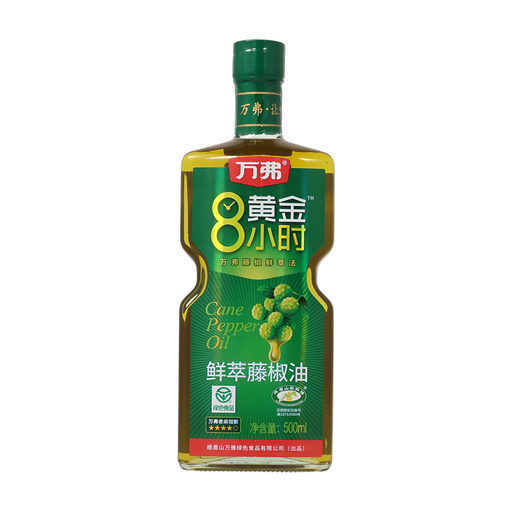
Why we love it: Heads up, this one's a special gem: it's not a chili oil, but a Sichuan peppercorn oil (téng jiāo yóu). It's designed to provide only the numbing sensation (má) and the fresh, almost citrusy notes of green Sichuan peppercorns.
Highlights:
Who it's for: For those who want to master the mala balance in their dishes or who love the unique flavor of Sichuan peppercorn without the heat. A drizzle on steamed fish or in a vinaigrette changes everything.
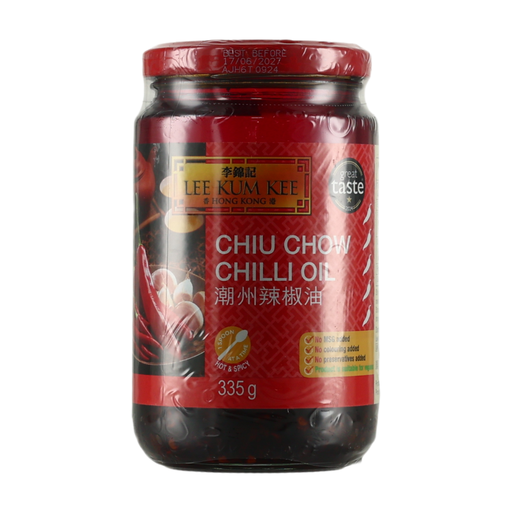
Why we love it: A must-have from the famous Lee Kum Kee brand, this oil is a true classic. Inspired by Chiu Chow (Teochew) cuisine, it focuses less on raw heat and more on a complex, savory, and ultra-aromatic profile thanks to dehydrated garlic.
Highlights:
Who it's for: For foodies looking for a flavorful and fragrant chili oil above all else. It's the perfect gateway to Asian condiments.
The culinary journey through Asia is just beginning. If you want to expand your palate and discover other gems to elevate your dishes (black vinegars, exceptional soy sauces, fermented bean pastes...), our catalog is full of treasures.
? Discover our full selection of Spicy Vinegar and other condiments.
1. What is the difference between chili oil and mala sauce?
Chili oil is a generic term for an oil infused with chilies. Mala sauce, on the other hand, is a specific category of chili oil that must contain Sichuan peppercorns, which are responsible for its famous numbing sensation (má). In short: all mala sauces are chili oils, but the reverse is not true.
2. How should I store Chinese chili oil?
Store it in a cool, dry place, away from light. Once opened, keep the jar tightly sealed in the refrigerator to preserve the freshness of the aromas and prevent the oil from going rancid. In any case, refer to the instructions on the packaging.
3. Can chili oil be used for high-heat cooking?
Most chili oils are best used as a finishing touch or added at the very end of cooking. Heating them at too high a temperature could burn the solid ingredients (chili flakes, garlic...) and alter their subtle aromas. For stir-fries, it's better to use a neutral cooking oil and add the chili oil only at the end to flavor the dish.