
Livraison le jour même ou le lendemain

Qualité garantie

Débloquez vos offres de bienvenue: Livraison GRATUITE | Jusqu'à -80 % | 30 jours d'essai gratuits à JoyPlus
Téléchargez l'application
Giving your cat a treat is a shared moment of joy, a gesture of affection, or a well-deserved reward. But with shelves overflowing with promises, it's easy to fall into certain traps. Enticing packaging or a simple "chicken flavour" mention is no guarantee of a product suited to your companion's needs. Before making a purchase, it's best to understand the few pitfalls that can turn a good intention into a disappointing buy.
The first trap is the endless and opaque ingredient list. Many cat snacks contain a significant amount of grains (wheat, corn) or sugars. These act as low-cost binders or flavour enhancers but offer little nutritional value for an obligate carnivore like a cat.
The second pitfall involves vague marketing claims. Terms like "natural" or "gourmet" are not always governed by strict regulations. A product can be labelled "natural" while still containing low-quality by-products. The right reflex: don't stop at the slogans, but decode the actual composition.
To navigate the jungle of cat treats, you just need to keep a few key benchmarks in mind. These indicators will help you assess at a glance whether a product is truly right for your pet.
The golden rule is simple: for a carnivore, the animal protein source must be at the top of the list. Whether it's chicken, salmon, beef, or duck, the main ingredient should be clearly identified and, ideally, its percentage specified. Be wary of generic phrasing like "meat and animal derivatives" without further detail. Quality natural cat treats are recognisable by their short and clear ingredient lists.
The table of analytical constituents may seem technical, but it is highly informative. Here are the points to check:
The shape of the treat isn't just a matter of aesthetics. It serves very specific purposes:
To help you see more clearly, we've matched owner profiles with products that tick all the boxes of the selection criteria discussed above.
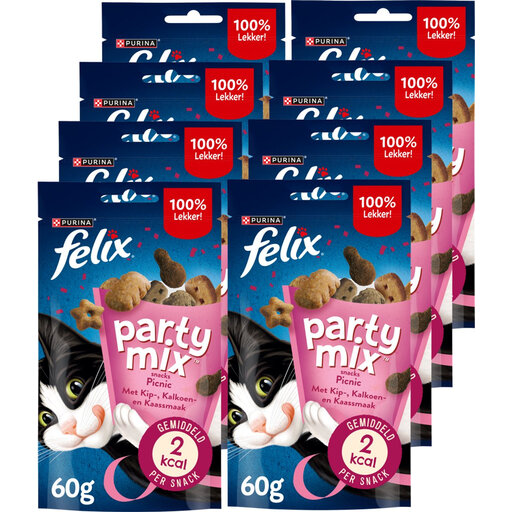
Why it's a great match: This economical bundle of Felix Party Mix treats is a practical solution for those who want to treat their cat regularly without breaking the bank. The multipack format ensures a good stock, and the varied flavours (cheese, chicken, turkey) prevent your feline's discerning palate from getting bored.
Although it contains grains, the ingredient list places "meat and animal derivatives" first (35%), and the analytical composition shows a crude protein level of 36%, which is quite respectable for this price range.
Excellent value for money. Contains vitamins and omega-6 fatty acids. The bundle format is convenient for frequent use.
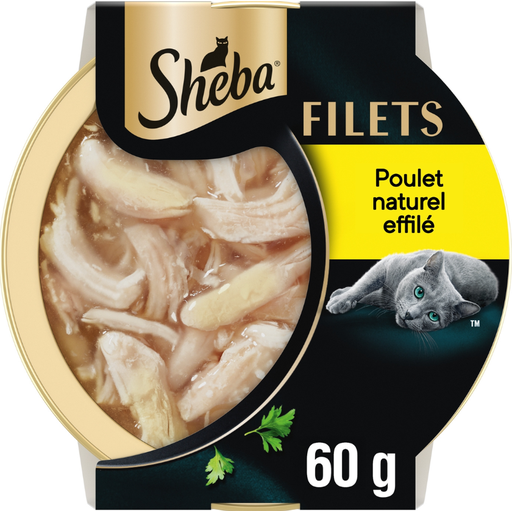
Why it's a great match: For owners who scrutinise labels and prefer clean recipes, these shredded chicken treats are the perfect option. The composition is exceptionally clear, making it a high-quality reward for all cats, including the most sensitive ones.
This product is the antithesis of long ingredient lists. With only two components (chicken fillets 37%, tapioca starch), there is no room for sugars, grains, or artificial additives.
Ultra-simple and transparent composition. High moisture content (84%) contributes to hydration. Tender texture ideal for all ages.
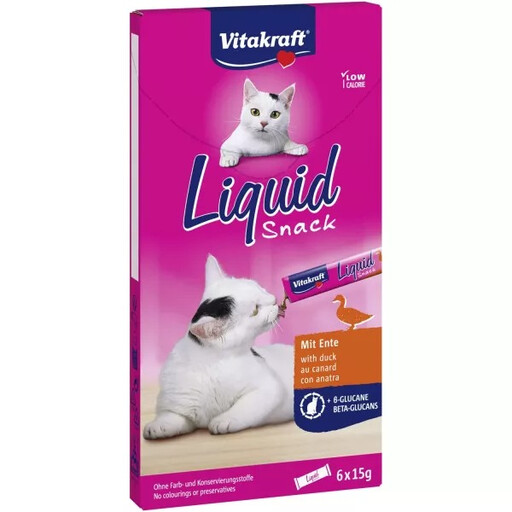
Why it's a great match: For those who love to innovate and share an interactive experience with their cat, this liquid cat treat is perfect. It can be given directly from the sachet, on a plate, or even frozen for a "cat ice cream" in the summer. It's a playful way to vary their pleasures.
This product stands out from classic dry treats, which are often high in grains. Its liquid formula is low in calories and its composition, while containing by-products, specifies the presence of duck (4%) and beta-glucans to support the immune system.
Highly palatable and versatile liquid format (can be frozen). Low in calories. Contributes to hydration with its 88.5% moisture content.
We have compiled a complete, up-to-date list of products that meet our quality criteria and current regulations.
The watchword is moderation. Treats are a complementary food and should not replace your cat's main meal. As a general rule, they should not account for more than 10% of their daily caloric intake. Most manufacturers provide a recommendation on the packaging (e.g., "up to 13g or about 35 pieces per day for a 4kg adult cat"). Remember to adjust their kibble portion on days you give them treats.
It is strongly discouraged to regularly give dog treats to a cat. While a small stolen piece is generally not toxic, the nutritional needs of dogs and cats are very different. Cats have specific requirements, including a higher need for protein and taurine, an essential amino acid they cannot synthesise. Dog treats, like Pedigree Schmackos, are formulated for canines and do not meet these needs. It's best to stick to products specifically designed for cats.
To preserve their freshness, crunch, and flavour, the best practice is to seal the bag tightly after each use. Most packaging today comes with a resealable zip. Store the package in a cool, dry place, away from direct sunlight. For single-serving wet or liquid treats, they should be consumed quickly after opening, usually within 24 to 48 hours, and stored in the refrigerator.