
Livraison le jour même ou le lendemain

Qualité garantie

Débloquez vos offres de bienvenue: Livraison GRATUITE | Jusqu'à -80 % | 30 jours d'essai gratuits à JoyPlus
Téléchargez l'application
Giving your cat a treat is more than just a simple reward: it's a moment of connection. But when faced with shelves overflowing with options, how do you find the hidden gem that combines pleasure and health benefits? Don't panic. Our guide is here to help you see clearly, decode labels, and choose the perfect treat for your feline with complete confidence.
To ensure that indulgence remains a healthy pleasure, three essential criteria must be scrutinised before you fill your basket.
The quality of a treat is first revealed in its ingredient list. Aim for short, transparent lists where meat or fish holds the top spot. Natural treats, with components you could almost eat yourself, are an excellent sign. Watch out for added sugars, artificial colours, and flavourings: they have no place in your cat's bowl.
A growing kitten doesn't have the same needs as a senior cat or a somewhat sedentary indoor cat. Opt for specially designed kitten treats, which are smaller and fortified for their development. For indoor cats or those prone to weight gain, low-calorie treats are the ideal solution to manage their weight without denying them life's little pleasures.
Tastes and preferences... that applies to cats too! Some swear by crunchy textures, which also help fight tartar. Others melt for soft bites or creamy purées. Lickable treats, for example, have become a must-have: they are ultra-palatable and perfect for hydrating a cat that drinks little or for helping the medicine go down (literally!).
After reviewing dozens of products, here are the ones that caught our attention for their composition, palatability, and glowing reviews from the ones who matter most: the cats themselves.
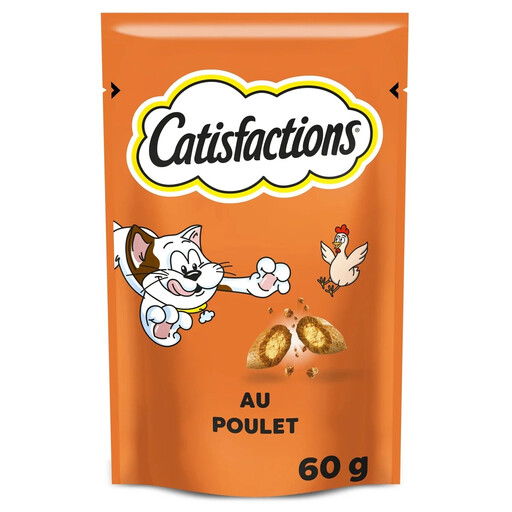
What makes them special: Catisfactions are the cult-favourite treat that cats go crazy for. Their secret? An inimitable dual texture with a crunchy shell that reveals a soft, creamy centre. This chicken recipe is a classic that wins over everyone, from the youngest kittens to the oldest cats.
Highlights:
Best for: This is the ultimate all-rounder treat. Ideal if you have multiple cats of different ages or if you simply want to bet on a sure thing that everyone loves.
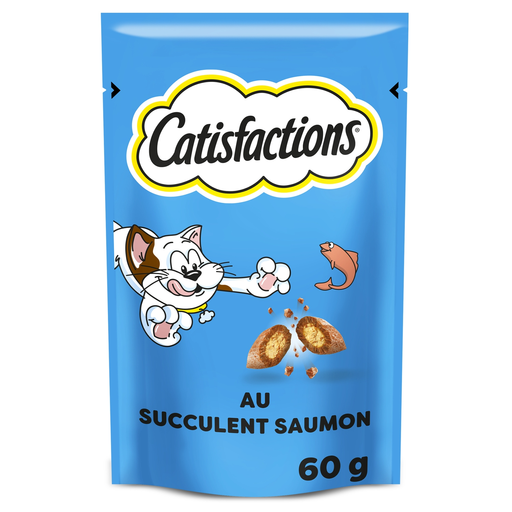
What makes them special: This treat features the star texture of Catisfactions, but this time with a seafood flavour that will entice fish lovers. Its real advantage is its controlled calorie content, allowing you to indulge your cat without tipping the scales.
Highlights:
Best for: For discerning foodies who prefer fish over meat, and for owners who are careful about managing their companion's weight without sacrificing small rewards.
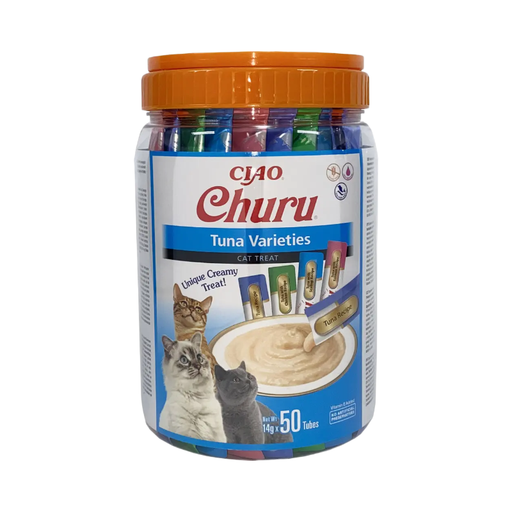
What makes them special: A true phenomenon from Japan, Inaba's Churu treats have revolutionised the world of cat treats with their lickable purée format. Ultra-palatable and packed with moisture, they are the perfect solution for discreetly hydrating your cat while sharing a unique bonding moment.
Highlights:
Best for: A must-have for the pickiest cats, those who don't drink enough water, or simply for creating a unique bond by hand-feeding your pet. It's also the secret weapon for owners who need to administer medication.
Our selection highlights proven favourites, but every cat is unique! If your companion is a gourmet looking for new flavours, from beef to turkey to seafood, feel free to explore our full catalogue.
Discover our entire range of cat treats
The golden rule: moderation. As a general guideline, treats should not exceed 10% of your cat's daily caloric intake. Always refer to the instructions on the packaging. For Catisfactions, for example, the recommendation is a maximum of 20 treats per day for an adult cat. Remember to slightly reduce their kibble portion to compensate.
Yes, and for good reason! Kitten treats are not only smaller to fit their tiny jaws, but they are also often enriched with nutrients essential for their growth. That said, some versatile treats like Catisfactions are also suitable for younger cats, provided you adjust the quantity (up to 6 per day for a kitten).
To find natural treats, there's only one method: become an expert at decoding labels. Look for the shortest possible ingredient list, with a quality protein (e.g., "chicken fillet," "salmon") as the first ingredient. Avoid vague terms like "animal by-products," as well as sugars, artificial colours, and preservatives. In this matter, simplicity is the best mark of quality.