
Livraison le jour même ou le lendemain

Qualité garantie

Débloquez vos offres de bienvenue: Livraison GRATUITE | Jusqu'à -80 % | 30 jours d'essai gratuits à JoyPlus
Téléchargez l'application
Does trimming your cat's nails turn into a nightmare??Between the fear of hurting them by cutting the living part of the nail (the infamous "quick") and your companion's stress, the task can quickly become an ordeal. However, regular maintenance is essential for their well-being, preventing ingrown nails and, incidentally, saving your sofa.
The secret to transforming this chore into a quick and calm grooming session??Choosing the right tool. This guide is here to help you find the ideal cat nail clippers, based on essential criteria: safety, ergonomics, and efficiency.
To find the tool that will make peace with this task (for both you and your feline), here are the key points to check before you buy.
It's every owner's worst fear: cutting too short and hitting the pinkish part of the nail, which is full of nerves and blood vessels. To eliminate this risk, two innovations make all the difference:
There are two main styles on the market, each with its own fans:
The final choice will largely depend on your own comfort and the size of your cat's nails.
A good cat nail clipper must, above all, fit well in your hand. The last thing you want is for the tool to slip at the critical moment. Opt for non-slip handles, made of silicone or with a soft-touch coating. Other features can make your life easier:
To help you make the right choice, our editors have selected three models that stand out for their smart design, safety, and ease of use. Each one meets a specific need.
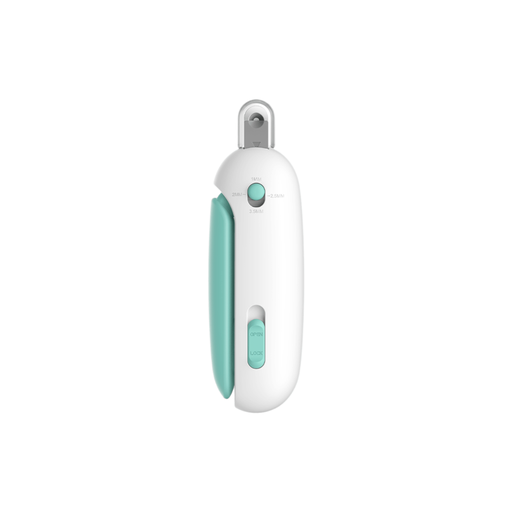
Why it stands out: This model is distinguished by its ingenious adjustable cutting mechanism. It allows you to set the cutting length with precision, making it just as safe for a kitten as it is for an adult cat. Its design is entirely focused on one goal: to avoid cutting the quick.
Pros:
Who is it for? Perfect for households with multiple cats of different ages, or for those who want a versatile and ultra-safe tool that adapts as their pet grows.
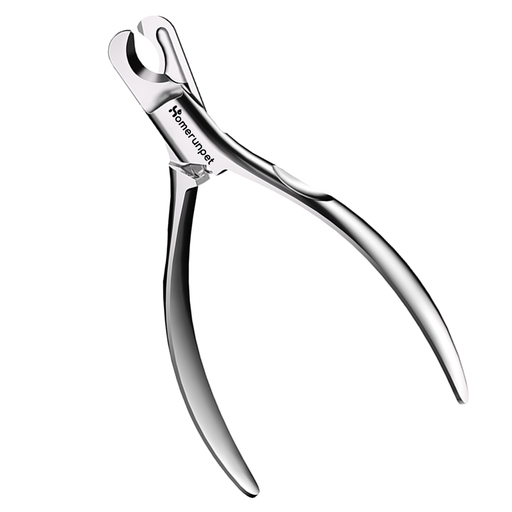
Why it stands out: This model gets straight to the point: simplicity and efficiency. Forged from 3Cr13 stainless steel, it guarantees a clean, sharp, and quick cut. Its secret? A half-moon opening, wider than average, which provides a perfectly clear view of the nail.
Pros:
Who is it for? For those looking for a simple, robust tool that will last for years. Its raw efficiency makes it a reliable, no-frills ally for regular maintenance.
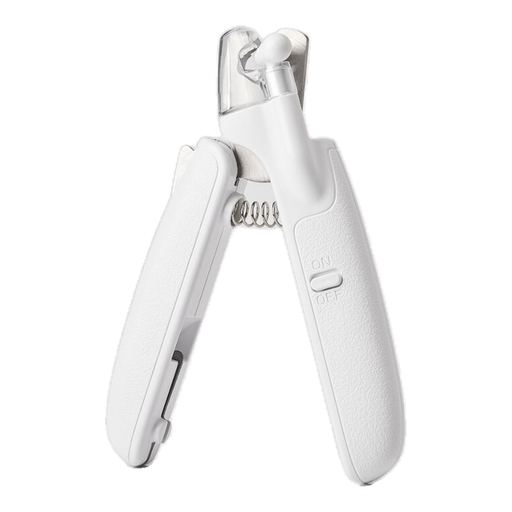
Why it stands out: The key feature of these clippers is the built-in LED light. It illuminates the nail, allowing you to see the vein and trim with complete confidence, even on dark nails. Cleverly, it also includes a small receptacle to catch the trimmed nails and a foldable file.
Pros:
Who is it for? The ultimate tool for the most anxious pet owners, especially if your cat has dark nails. This is the peace-of-mind choice for those who want maximum safety and user comfort.
If these models don't check all your boxes or if you're simply curious to discover other solutions, explore our full range of accessories. You're sure to find the perfect tool to care for your four-legged friend.
? Discover all our pet grooming accessories
It all depends on their lifestyle. For an indoor cat, trimming every 2 to 4 weeks is a good rhythm. For an outdoor adventurer, their nails wear down naturally on pavement or trees. However, a monthly check is still recommended to prevent ingrown nails, especially on the dewclaws (the "thumbs").
The secret is patience, gentleness, and treats! Take it slow. Start by regularly touching their paws without even taking out the tool, rewarding them each time. Then, introduce the clippers and let them sniff them. The first time, only trim one nail, then praise them enthusiastically. It's better to have very short, positive sessions than one long, stressful battle for everyone.
Above all, stay calm. The minor bleeding is often more dramatic than it is serious. Apply styptic powder (sold at pet stores) or, failing that, a bit of cornstarch to the tip of the nail to stop the bleeding. Apply gentle pressure for a minute. If the bleeding doesn't stop after a few minutes, contact your veterinarian.