
Livraison le jour même ou le lendemain

Qualité garantie

Débloquez vos offres de bienvenue: Livraison GRATUITE | Jusqu'à -80 % | 30 jours d'essai gratuits à JoyPlus
Téléchargez l'application
Choosing the right cat food can be overwhelming with so many options available. Kibble or wet food? Grain-free or with grains? How can you be sure you're giving your feline friend a diet that is healthy, balanced, and truly enjoyable for them?
As the Head of Buying Guides at Joybuy, I'm here to decode labels and brand promises for you. This guide is designed to give you simple, effective tips for making the right choice, one that suits both your pet's needs and your budget.
Before we dive into our top picks, let's review the key factors to consider.
This is often the first dilemma for cat owners. Both dry and wet food have their own unique benefits.
The solution? Mixed feeding. Combining free-fed kibble with a daily cat food pouch is often the winning combination, favoured by both cats and their owners.
The ingredients list is a crucial factor. There are two main types of recipes:
The best choice will depend on your cat's digestive sensitivity, taste preferences, and your own philosophy. The most important thing is to always choose a "complete" food, a designation that guarantees it meets 100% of your adult cat's nutritional needs.
A sterilised indoor cat obviously doesn't have the same needs as an adventurer who explores the neighbourhood all day. Be sure to choose a formula tailored to their profile: there are dedicated ranges for indoor cats, sterilised cats, kittens, and senior cats.
To help you choose, here are three products that cater to various needs and budgets, all available on Joybuy.fr.
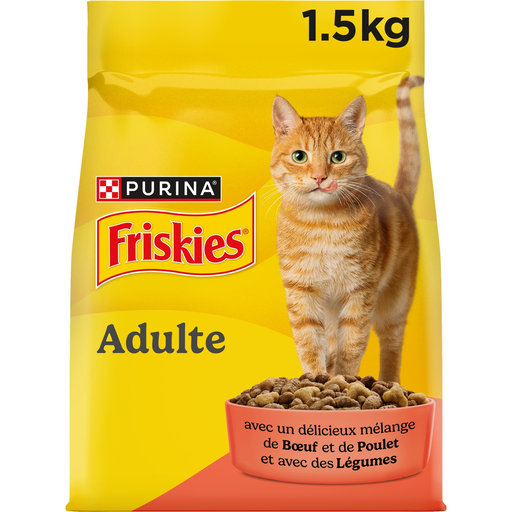
Why it stands out: Specially designed for indoor cats, this FRISKIES kibble offers a 100% complete and balanced recipe. Developed by Purina nutritionists, it combines animal and plant-based proteins, all with no added artificial colours, flavours, or preservatives.
Highlights:
Who is it for? For owners of indoor cats looking for a reliable, balanced, and budget-friendly cat kibble for everyday feeding.
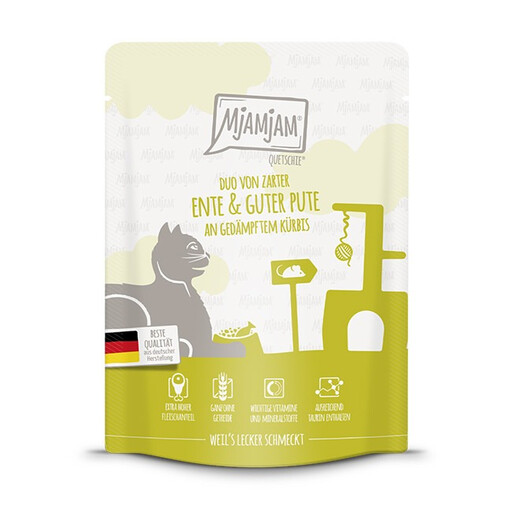
Why it stands out: MJAMJAM is a step up in quality. This cat p?té stands out for its premium ingredients: a very high meat content (70% turkey and duck) and a grain-free, gluten-free, and lactose-free recipe. Its squeezable pouch format ("Quetschie") is ultra-convenient for portioning and storage. Pro tip: it can be served chilled in the summer for a refreshing meal!
Highlights:
Who is it for? For discerning owners who want a high-meat, grain-free wet food, or simply want to treat their cat to an exceptional meal.
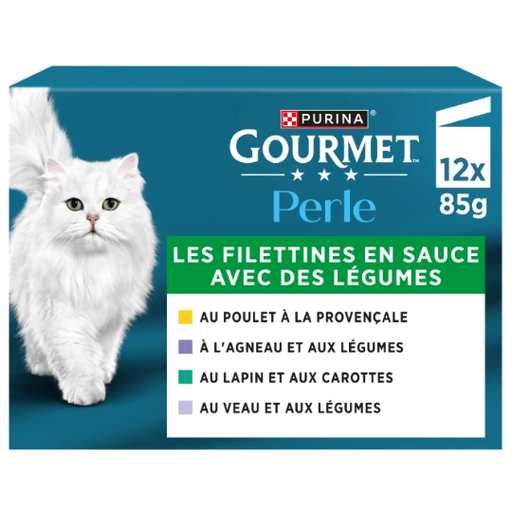
Why it stands out: GOURMET Perle promises a delightful meal that will please even the most discerning feline palates. This variety pack offers four recipes (Lamb, Chicken, Rabbit, Veal) to add variety and prevent mealtime boredom. The fine fillets in gravy, complemented with vegetables, create a texture that cats adore. All without any added artificial colours, preservatives, or flavours.
Highlights:
Who is it for? Ideal for cats with delicate appetites or those who get bored easily. It's an excellent option to complement kibble or to serve as a main meal for the most enthusiastic eaters.
This selection is just a glimpse. Because every cat is unique, the best food is always the one that's a perfect fit for them. To explore a wider range of kibble, wet food, and treats, take a look at our full department.
? Discover Our Full Range of Cat Food & Accessories
1. What's the difference between cat food with and without grains? The difference between "with grains" and "grain-free" lies in the source of carbohydrates. The former uses wheat, corn, or rice; the latter uses peas, lentils, or potatoes. Neither is inherently better than the other; it all depends on your cat's tolerance. The key is to ensure the food is "complete" and balanced.
2. Can I mix kibble and wet food for my cat? Yes, absolutely! This is called mixed feeding, a practice that is often recommended. It combines the benefits of both worlds: the mechanical action of kibble on teeth and its convenience, paired with the hydration and palatability of wet food.
3. How do I introduce a new cat food? To avoid any digestive upset, the transition should be gradual, over 7 to 10 days. The principle is simple: start by mixing a small amount of the new food (25%) with the old food. Gradually increase the proportion of the new food each day until you have completely replaced the old one.