
Livraison le jour même ou le lendemain

Qualité garantie

Débloquez vos offres de bienvenue: Livraison GRATUITE | Jusqu'à -80 % | 30 jours d'essai gratuits à JoyPlus
Téléchargez l'application
There's nothing like a hot meal after a long day of hiking, or a steaming coffee as you wake up in the great outdoors. These simple pleasures transform a mere outing into a memorable adventure. But with a jungle of options, choosing the right gear can quickly become a headache. Yet, a reliable camping stove is the cornerstone of your outdoor kitchen.
This guide is here to break down the essential criteria and introduce you to the best models on the market, whether you're on a family camping trip or a solo backpacking adventure. Our mission?: to help you find the cooking companion that's perfectly suited to your needs.
Before diving into our selection, let's review the features that make all the difference.
A stove's power, measured in watts (W), determines how quickly it heats your meals and brings water to a boil. A powerful stove is invaluable for cooking fast or melting snow at high altitudes. The downside?: more power often means higher gas consumption. For a hike where every gram counts, a more fuel-efficient, more lightweight model will be a much more strategic choice.
Most modern stoves run on screw-on valve gas canisters (EN 417 standard), which contain a mix of butane, isobutane, and propane. This is the simplest and most effective solution, even in cold weather. Compactness is, of course, another decisive factor. A portable and compact gas stove will easily slip into a backpack without taking up too much space—a major asset for long treks. Some models offer extended compatibility with adapters, a real bonus for seasoned travellers.
Stability is a safety issue that should never be overlooked. Remote canister models (where the canister is connected to the burner by a hose) lower the centre of gravity and are therefore much more stable than those that screw directly onto the canister. To optimise weight and bulk as much as possible, integrated camping cook systems are a formidable solution. They merge the burner and a dedicated camp pot into a single, ultra-efficient unit.
We've selected three models that excel in their category, from the casual camper to the seasoned hiker.
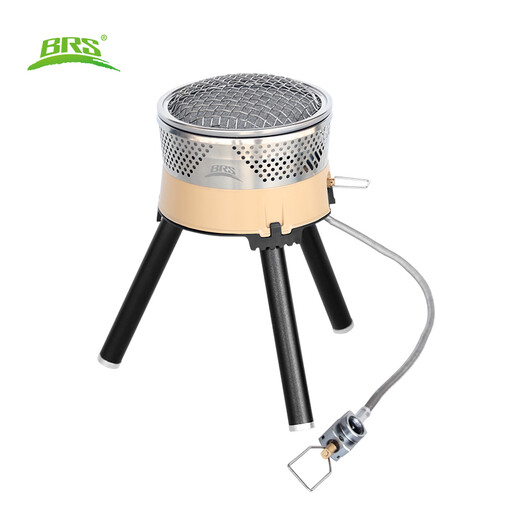
Why It Stands Out The BRS TS19 Reactor is all about pure efficiency. Its stainless steel and aluminium alloy construction ensures excellent durability for outdoor activities. Its real strength?: a rapid heat-up time that saves you from long waits.
Advantages
Who Is It For? Ideal for campers and hikers who want a fast and efficient stove to make coffee or a meal for two without wasting a minute.
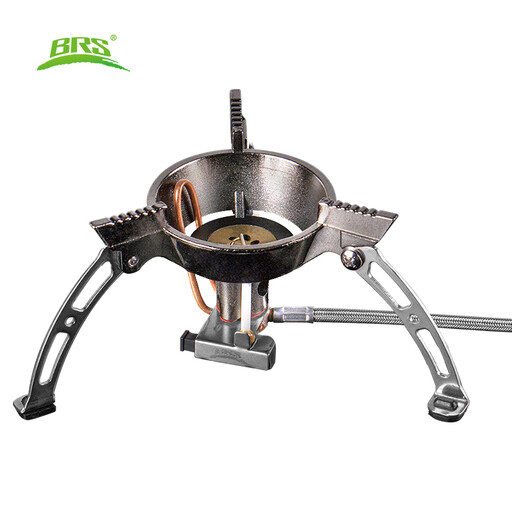
Why It Stands Out This model from the BRS 11-series is a true powerhouse in a featherlight package. With its 3240?W, it's aimed at those who want to make no compromises on performance, even in ultralight mode. Its wide fuel compatibility, thanks to the included adapter, makes it an incredibly versatile ally.
Advantages
Who Is It For? For trekkers, bikepackers, and anyone counting every gram without sacrificing performance. It's the ultimate powerful and reliable stove, even at high altitudes or in strong winds.
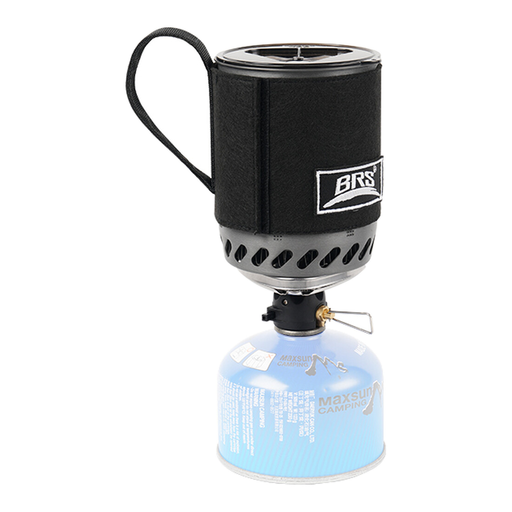
Why It Stands Out The BRS 61 isn't just a stove?: it's a complete, integrated camping cook system. Designed for solo adventures, it merges the burner, pot, and lid into a single, ultra-compact unit. The insulating sleeve on the pot allows for safe handling.
Advantages
Who Is It For? For solo adventurers, long-distance hikers, and bikepackers looking for minimalist, lightweight, and perfectly optimised outdoor kitchen gear for one person.
The models we've just reviewed are the kings of portability. If you're looking for a more comfortable setup for a base camp, your patio, or your garden, other solutions are available.
For a cosy atmosphere and an elegant heat source, discover our range of Outdoor Gas Fire Pit Tables.
The vast majority of hiking stoves are compatible with screw-on valve canisters (EN 417 standard). They contain a gas mixture (butane, isobutane, propane) that ensures good performance, even in cold weather. Just remember to check your stove's compatibility before buying a canister.
Proper maintenance is simple, but it ensures the longevity and safety of your gear. After each use, let the stove cool down completely. Clean off any residue with a damp cloth. Before you head out, a quick check-up is in order?: inspect the seals and make sure there are no leaks when you screw on the canister. Always store it in a dry place, away from moisture.
The answer is no. Absolutely and definitively. Using a gas stove in a confined space (tent, car, unventilated shelter) is a fatal practice. Combustion releases carbon monoxide, an invisible, odourless, and deadly gas. Always cook outdoors, on a flat, stable surface, and at a safe distance from anything flammable.