
Livraison le jour même ou le lendemain

Qualité garantie

Débloquez vos offres de bienvenue: Livraison GRATUITE | Jusqu'à -80 % | 30 jours d'essai gratuits à JoyPlus
Téléchargez l'application
Our editorial team tests hundreds of high-tech products to help you sort through the noise. Today, we're spotlighting a technology that's a game-changer for athletes: bone conduction headphones.
Do you love running to music but hate being cut off from the world, risking not hearing an approaching car? Do you find in-ear headphones uncomfortable or unhygienic during a workout? The open-ear sports headphone is the perfect answer to these dilemmas. It transmits sound through vibrations via your jawbones, leaving your ear canals completely open so you can stay alert and aware of your surroundings.
This guide breaks down the essential criteria for you and presents a selection of models that have caught our attention. The goal: to help you find the right headphones for your needs, without the unnecessary jargon.
Before diving into our top picks, let's review the features that will make all the difference depending on your sport. Here are the key points to check.
The IP (Ingress Protection) rating is an international standard that assesses a device's resistance to solids (dust) and liquids (water, sweat). For sports audio headphones, this is a non-negotiable feature.
How you listen to your music is a deciding factor.
A good pair of bone conduction headphones should be so comfortable you forget you're wearing them. Weight is a key factor; most models weigh between 25 and 35 grams. Their frame, often made of titanium, must offer the perfect balance of flexibility and stability to stay in place during the most intense movements. Compatibility with glasses and a bike helmet is also an essential point to check.
We have selected three models that stand out for their performance and cater to very specific uses.
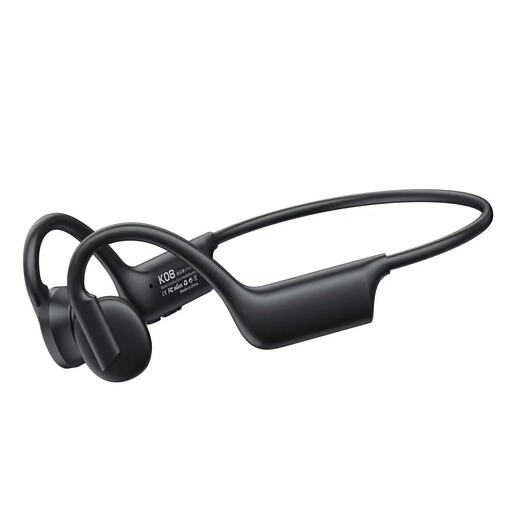
Why it stands out: The Verbex K08 is an excellent gateway into the world of bone conduction headphones. It focuses on the essentials: a reliable Bluetooth connection and a feather-light design for optimal everyday comfort.
Pros:
Who is it for?: For casual athletes and fitness enthusiasts looking for an affordable solution to listen to music safely, without needing extreme waterproofing.
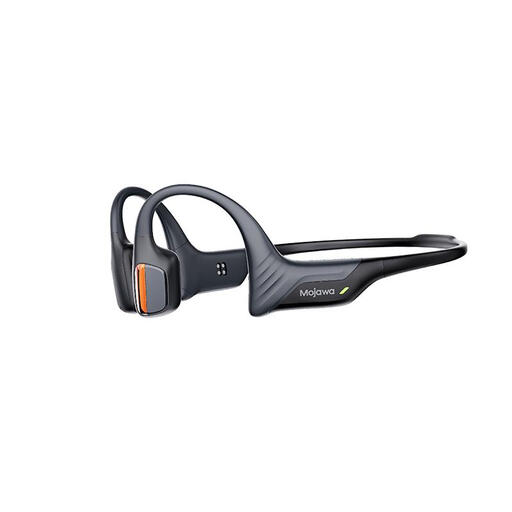
Why it stands out: The Mojawa Purra Run steps things up a notch with enhanced protection and features designed for intensive use. It represents the perfect balance between performance and versatility.
Pros:
Who is it for?: For dedicated runners, cyclists, and hikers who want reliable and durable gear that can keep up with them in all weather conditions.

Why it stands out: The Mojawa Run Plus is built for the most demanding use: swimming. Its dual functionality (Bluetooth and MP3 player) makes it a formidable training tool.
Pros:
Who is it for?: For swimmers, triathletes, and all athletes who want complete freedom without relying on their phone. It's the top choice for anyone looking for true MP3 swimming headphones.
Our selection covers the main use cases, but the market for open-ear sports headphones is much broader. If you don't find what you're looking for here, feel free to explore other models.
Discover our full range of sports headphones
No, the sound experience is different because the technology is different. Sound is transmitted through vibration, not directly into the ear canal. The perception of low frequencies is therefore often less intense than with in-ear headphones, which isolate you. However, the clarity of voices (for podcasts or calls) is generally excellent. Recent models, like those from Mojawa, incorporate technologies to improve bass performance. The primary goal remains safety and comfort, with audio quality well-suited for listening on the move.
Yes, that is their number one advantage. By leaving your ears open, they allow you to perceive all surrounding sounds: traffic, horns, pedestrians, other cyclists, etc. This awareness of your environment (sometimes called "situational awareness") significantly reduces the risk of accidents, especially in urban areas. It's a safety benefit that no traditional earbud, even with a "transparency" mode, can truly match.
Yes, in almost all cases. Most bone conduction headphones have a thin band that goes behind the head and rests above the ears. The transducers themselves are placed on the temples, in front of the ear canal. This design is intended to not interfere with the arms of glasses (prescription or sunglasses) or the straps of a bike helmet.