
Livraison le jour même ou le lendemain

Qualité garantie

Débloquez vos offres de bienvenue: Livraison GRATUITE | Jusqu'à -80 % | 30 jours d'essai gratuits à JoyPlus
Téléchargez l'application
Navigating the headphone market can be overwhelming, and finding the right pair can quickly become a puzzle. Our mission? To help you make sense of it all. In this guide, we break down the essential criteria for finding the perfect bone conduction or open-ear headphones for your needs, whether for sports, the office, or your downtime.
Athletes, especially runners and cyclists, know the dilemma well: how do you enjoy music or a podcast without blocking out traffic noise—a vital reflex for staying safe? The situation is similar in the office or when working from home: you need to join a video conference while remaining aware of your surroundings. This is precisely where bone conduction headphones and open-ear headphones truly shine. Their secret? A technology that transmits sound through vibrations along your jawbone, leaving your ear canal completely open.
This 2026 buyer's guide scrutinizes a selection of the best models available, based on clear technical criteria to help you make the right choice.
Before diving into our top picks, let's review the key points that will guide your decision.
The Ingress Protection (IP) rating is an international standard that measures a device's resistance to dust (first digit) and water (second digit). For Bluetooth sports headphones, this is simply a non-negotiable feature.
Battery life is obviously crucial, whether you need to go the distance on a long outing or power through back-to-back meetings on a busy workday. Most wireless running headphones today offer between 6 and 10 hours of listening time.
While Bluetooth has become the standard, some models stand out by integrating an MP3 player. This is a particularly smart feature for swimmers, or for anyone who prefers to leave their smartphone in the locker during their workout.
An open-ear headset should be unnoticeable: it must remain perfectly stable without creating uncomfortable pressure points. Design plays a key role here:
Here are three models that caught our attention, each distinguished by its technical specifications and intended use.
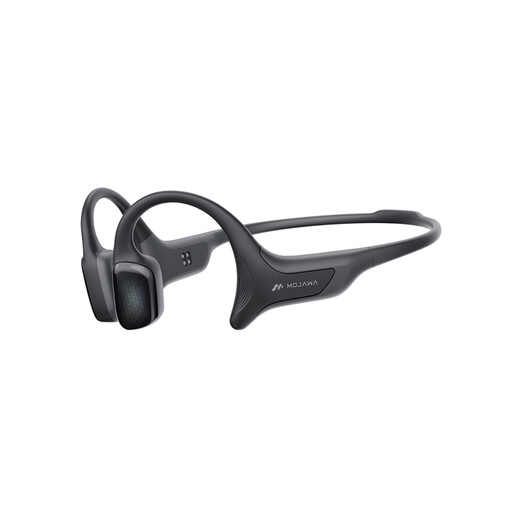
What sets them apart: The Mojawa HaptiFit Terra combines bone conduction with a feature as rare as it is valuable: a built-in 32GB MP3 player. Paired with its waterproof rating, this asset makes it one of the very few models on the market truly designed for swimming.
Key Features:
Who is it for? This model is aimed at triathletes, swimmers, and all athletes looking for an all-in-one audio solution that can keep up with them on land and in water, completely autonomously.
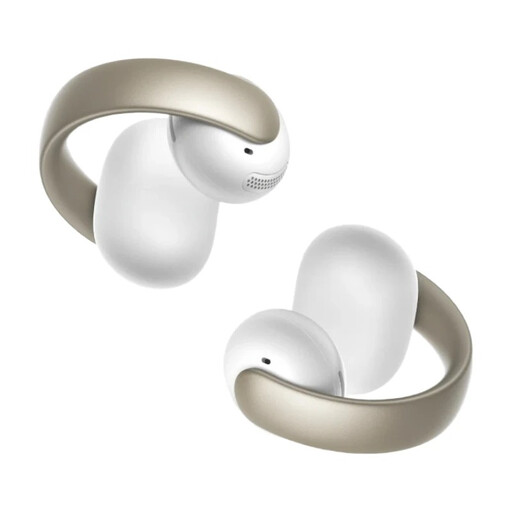
What sets them apart: Note that the Soundcore AeroClip headphones do not use bone conduction. They are clip-on open-ear headphones that direct sound towards the ear canal without ever obstructing it. Their strong suit? A design entirely focused on comfort and impeccable call quality, ensured by 4 microphones and an AI-driven noise reduction algorithm.
Key Features:
Who is it for? Perfect for mobile professionals, remote workers, or anyone who can't stand neckband headphones. This is the top choice if your priority is making clear calls while keeping an ear on the world around you.
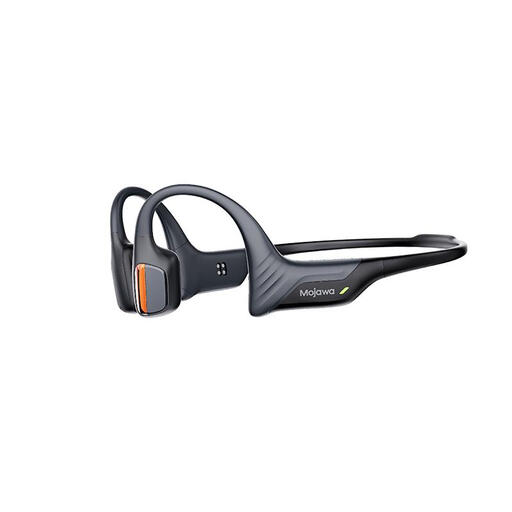
What sets them apart: The Mojawa Purra Run is a pure-bred bone conduction headphone, tailor-made for running and cycling. The focus is on a rock-solid fit, excellent weather resistance, and ergonomics designed for action.
Key Features:
Who is it for? These headphones are for runners, cyclists, and fitness fans looking for reliable, robust, and safe Bluetooth sports headphones for their outdoor sessions.
Not convinced by open-ear technology? If you still prefer the simplicity and fidelity of a classic wired connection, a wide range of traditional headphones will meet your needs. These models offer a different listening experience, often focused on passive isolation and more direct sound reproduction.
Discover our selection of wired headphones with a jack to find the model that's right for you.
Yes, this technology is considered safe. It bypasses the eardrum to transmit sound, which can even be beneficial for some people. However, as with any audio device, it is advisable to moderate the volume during long listening sessions to protect your hearing.
The listening experience is not the same. By their nature, bone conduction headphones often deliver less powerful bass than in-ear earbuds that seal the ear. That said, the technology has made huge strides, and recent models offer very convincing audio quality for music, and are particularly clear for voices (podcasts, audiobooks, calls).
Yes, absolutely. The vast majority of neckband models are designed to coexist seamlessly with prescription glasses, sunglasses, or a bike helmet. The band, usually very thin, fits without conflicting with the arms of your glasses or the helmet's tightening system. A quick try-on is still recommended if your frames are particularly thick.