
Livraison le jour même ou le lendemain

Qualité garantie

Débloquez vos offres de bienvenue: Livraison GRATUITE | Jusqu'à -80 % | 30 jours d'essai gratuits à JoyPlus
Téléchargez l'application
By our tech experts, July 14, 2026
Love running to music but worry about not hearing a cyclist coming up behind you? Working from home and need to listen for the doorbell while on a video call? While in-ear headphones can cut you off from the world and potentially put you at risk, bone conduction headphones are the perfect solution. They transmit sound through vibrations via your jawbones, leaving your ears completely open.
This guide is designed to break down the essential features of these devices. Our goal: to give you everything you need to make an informed choice that's perfectly suited to your daily life.
The market is flooded with options. To cut through the noise, focus on a few key criteria that will make all the difference depending on your use case.
The Ingress Protection (IP) rating is a standard that measures a device's resistance to dust and water. For wireless sports earbuds, this is a non-negotiable feature.
Battery life and connection options are crucial for your everyday comfort. For professionals or endurance athletes, long battery life is essential.
An increasingly popular feature is multipoint Bluetooth connectivity. It allows you to connect the headphones to two devices simultaneously, such as a computer and a smartphone. This lets you listen to music on your computer and automatically switch to your phone to take a call, completely seamlessly.
The design of these headphones, often called open-ear headphones, is engineered for unshakeable stability. Whether you're looking for cycling safety headphones or earbuds for your daily commute, the fit must be secure without creating pressure points. Some models offer adjustable ear hooks to fit different head shapes, a real plus for extended wear.
We've selected three models that stand out from the crowd, each catering to specific needs.
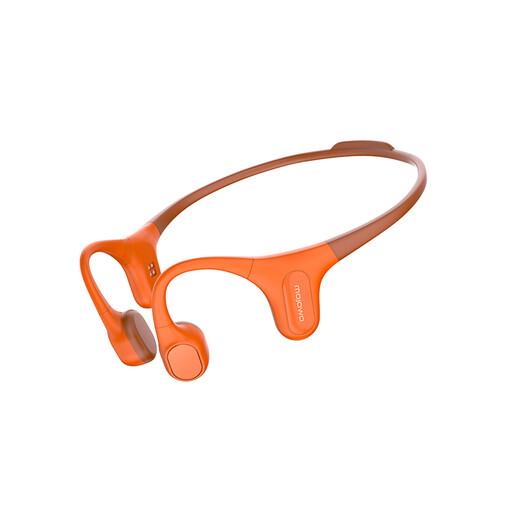
Why it stands out: The Mojawa Run Plus combines an IP68 waterproof rating with a built-in 32GB MP3 player. This dual feature makes it a top choice for aquatic activities where Bluetooth streaming is impossible. Simply transfer your audio files to enjoy music during your laps.
Pros:
Who is it for? Ideal for swimmers, triathletes, and runners who want to train with music without relying on their smartphone.
See the Mojawa Run Plus on Joybuy.fr
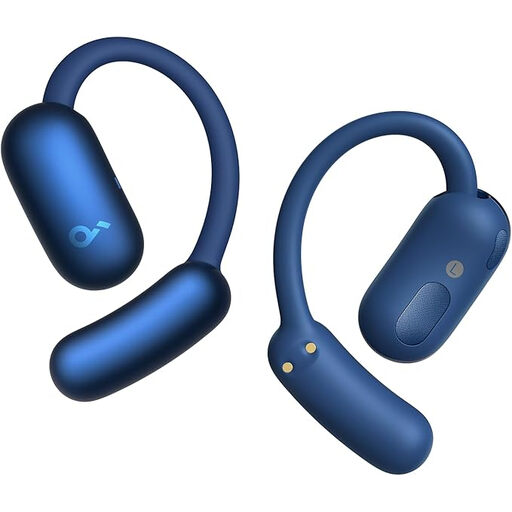
Why it stands out: The Soundcore AeroFit 2 stands out with its customisable comfort, thanks to its 4-way adjustable ear hooks. It also includes an AI-powered instant translation feature, a real asset for travellers. Its total 42-hour battery life (with the case) makes it an endurance champion.
Pros:
Who is it for? Recommended for digital nomads, frequent travellers, and anyone who prioritises listening comfort over long periods, whether at the office or on the go.
Discover the Soundcore AeroFit 2
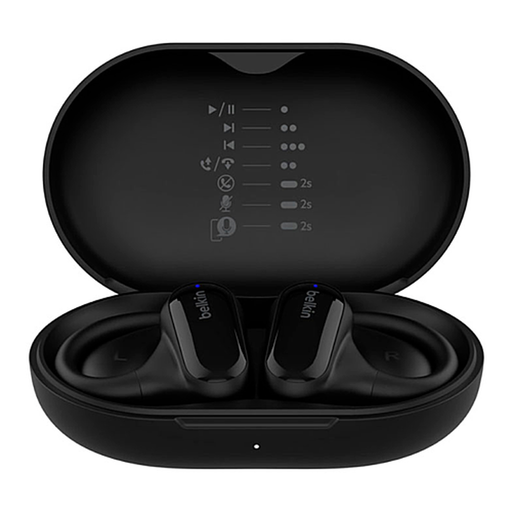
Why it stands out: The Belkin Soundform ClearFit is all about versatility. Its strength lies in its multipoint Bluetooth 5.3 connection, which simplifies life for users juggling their computer and smartphone. Another key selling point is its construction from post-consumer recycled materials, which will appeal to environmentally-conscious consumers.
Pros:
Who is it for? Perfect for remote workers, commuters, and users who need a reliable audio solution to manage both work calls and personal music across different devices.
Explore the Belkin Soundform ClearFit
This selection focuses on models that meet specific needs. If you have different criteria or simply want to explore other open-ear headphone technologies, many alternatives are available.
To discover a wider range of products, feel free to explore our full category of Open-Ear Wireless Headphones.
Bone conduction technology delivers clear, audible sound, especially for voices (podcasts, calls). However, the bass may seem less present than with in-ear headphones that seal the ear canal. The main advantage isn't absolute acoustic fidelity, but the balance between listening to your content and being aware of your surroundings.
Yes, that's one of their major advantages. By leaving your ear canal open, they allow you to hear surrounding noises like traffic, a car horn, or warnings from other people (pedestrians, cyclists...). This situational awareness helps reduce the risk of accidents during activities like running or cycling in urban areas.