
Livraison le jour même ou le lendemain

Qualité garantie

Débloquez vos offres de bienvenue: Livraison GRATUITE | Jusqu'à -80 % | 30 jours d'essai gratuits à JoyPlus
Téléchargez l'application
Noise-cancelling headphones can make a train journey much more pleasant, help you concentrate at work or reduce noise fatigue when travelling. But not every model suits the same needs. Over-ear headphones with ANC, wireless noise-cancelling earbuds, a sleep headband or hearing protection for a baby: each is designed for different situations and should be chosen accordingly.
Before you buy, keep these three common pitfalls in mind.
Active noise cancellation, better known as ANC, uses microphones and electronic processing to reduce certain external sounds. It’s particularly effective against constant noise, such as the hum of a plane, train or air conditioning.
Passive noise isolation relies instead on the shape of the ear cushions, ear tips or headband. It can be more useful against irregular sounds, but how well it works depends greatly on the fit. Even the best active noise-cancelling headphones won’t block out every sound, and they’re no substitute for approved hearing protection in a noisy work environment.
A claim such as ‘50 dB’ or ‘55 dB’ isn’t enough, on its own, to predict how a product will perform day to day. Test conditions, the frequencies being measured and the quality of the fit all play a crucial role. Poorly positioned earbuds may let in more noise than a model with a lower quoted figure that fits better.
Also check which ear tips are included, what listening modes are available and whether you can adjust the noise-cancellation settings.
Headphones that squeeze your head or make your ears hot will end up forgotten in a drawer, however impressive their specifications might look. If you’ll be wearing them for long periods, check the weight, clamping force, breathability of the ear cushions and whether the headband is adjustable. For TWS earbuds, the shape of the ear tips and how securely they stay in your ears are just as important.
Quoted battery life can also vary depending on listening volume, ANC, calls and how often you recharge using the case. If you plan to use your headphones on public transport, check the battery life with active noise cancellation switched on.
Bluetooth headphones designed for travel or working from home usually offer several modes: noise cancellation, transparency and standard listening. Transparency mode lets more surrounding sound in without you having to take your headphones off. However, you should still stay alert when walking, cycling or riding a motorbike.
For noise-cancelling headphones for sleeping, look for a soft, low-profile design that suits your sleeping position. Models designed for side sleepers don’t work like ANC headphones: they rely mainly on physical isolation and a fit that stays comfortable.
Compare these features separately:
Long battery life is certainly useful when travelling, but it shouldn’t come at the expense of comfort, a secure fit or easy charging.
ANC headphones designed for work should have a clear microphone and, if needed, multipoint connectivity so you can switch easily between a computer and a phone. Bluetooth 5.3, 5.4 or 6.1 indicates a generation of connectivity, but doesn’t guarantee better call quality on its own.
For a wireless microphone with noise cancellation, focus instead on its quoted range, latency, available outputs and whether it offers audio monitoring. For an interview, livestream or video, these features matter far more than the number of microphones alone.
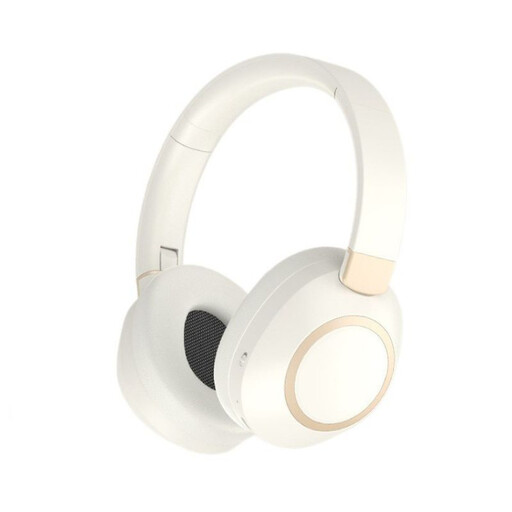
Why it suits this user: These Bluetooth headphones are well suited to everyday use — commuting, studying, working and taking calls — and are listed as compatible with iOS, Android, Windows and Mac.
The adjustable headband and memory foam ear cushions help prevent an uncomfortable fit. Quoted battery life is up to 40 hours.
Active noise cancellation, a quoted Bluetooth range of 10 metres and swivelling ear cups.
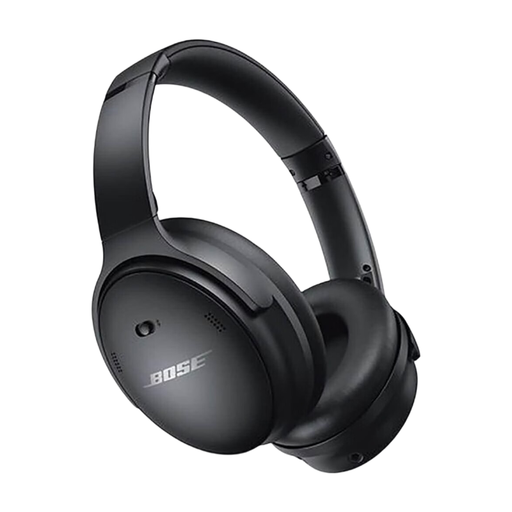
Why it suits this user: The over-ear design, Quiet and Aware modes, and compatibility with the Bose Music app make these a good choice for anyone who wants control over their listening settings.
Aware mode lets ambient sounds back in, while the supplied cable means you can still listen in wired mode when the battery runs flat.
Up to 24 hours of quoted battery life, USB-C charging and a quoted Bluetooth range of up to 9 metres.
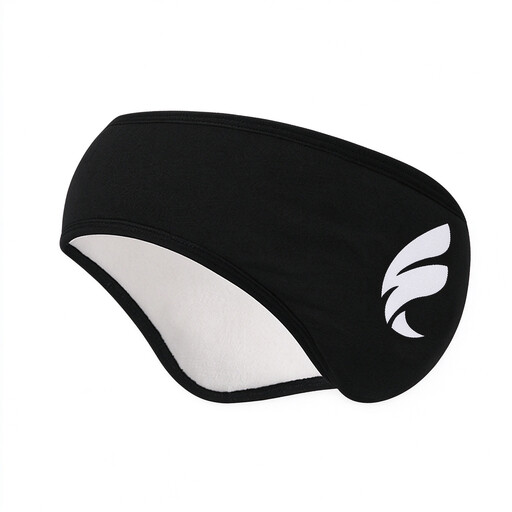
Why it suits this user: This headband is designed for rest, travel and everyday comfort, particularly for people who sleep on their side.
Its three-layer design, adjustable fit and removable silicone earplugs help avoid the problem of wearing a device that’s too rigid for sleeping.
Machine-washable headband, memory foam and a design described as suitable for side sleepers.
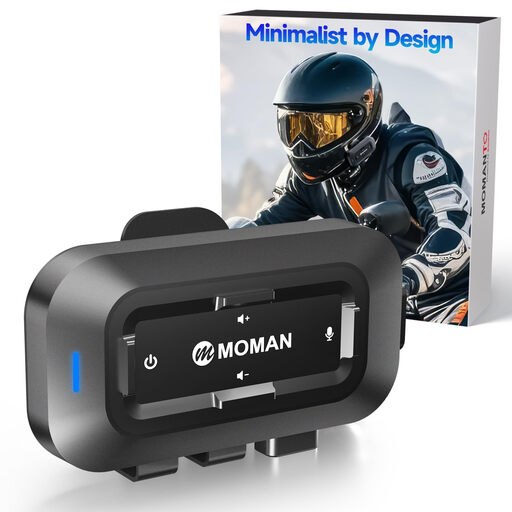
Why it suits this user: This system is designed for solo motorcyclists who want to listen to navigation, music or calls through a compatible helmet.
Designed to fit inside a motorcycle helmet, it addresses wind and road noise without the bulk of conventional headphones.
Bluetooth connectivity, a built-in microphone and stated compatibility with both full-face and open-face helmets.
We’ve selected a comprehensive range, updated in real time, of products that meet these exacting criteria and comply with European safety regulations.
Yes. Some ANC models can reduce some ambient noise even when they aren’t playing music. The result depends on the frequency of the noise, how the headphones fit and the level of noise cancellation selected. In an already quiet environment, passive isolation may be enough.
It depends on the battery, how often they’re used, whether they’re knocked or dropped, and how well they’re cared for. Replaceable ear cushions, a carry case and a suitable charging cable can all help extend a product’s lifespan. You should also avoid excessive moisture and listening at high volumes for long periods.
Standard headphones aren’t necessarily suitable for sleeping. For a baby, choose only a device designed for their age and check the manufacturer’s information on compliance, sizing and pressure. Hearing protection must never prevent you from supervising a child or be treated as a medical guarantee.