
Livraison le jour même ou le lendemain

Qualité garantie

Débloquez vos offres de bienvenue: Livraison GRATUITE | Jusqu'à -80 % | 30 jours d'essai gratuits à JoyPlus
Téléchargez l'application
A smudging pen, slow-drying ink, an uncomfortable grip… Choosing your writing companion might seem trivial, but these minor daily annoyances can quickly become frustrating. Whether you're a student taking notes, a professional writing reports, or a journaling enthusiast organising your thoughts, the quality of your pen directly impacts your comfort and the clarity of your writing.
Faced with an overwhelming number of options, it's hard to know where to start. Our guide is here to help you see things more clearly and find the blue ink gel pen that truly meets your needs, far from the marketing hype.
Before diving into our selection, here are a few objective criteria to guide your choice.
A gel pen's tip determines the fineness of the line and the feeling of glide on the paper.
This is often the main complaint about gel pens: the risk of smudging. Quick-drying ink is therefore a key criterion, especially for left-handers. As they write, their hand moves across the freshly laid ink, risking stains on both the page and their hand. Modern quick-dry inks solve this problem and guarantee a flawless result for everyone.
We often hold it for several hours a day, so a pen must be comfortable. A rubber grip, a well-balanced barrel, or a specific shape can reduce hand fatigue. The mechanism, such as on a retractable pen, is also a practical bonus: it protects the tip and prevents you from losing the cap. Finally, a stylishly designed pen transforms a simple utilitarian object into a personal accessory that's a pleasure to use and show off.
Based on these criteria, we have selected three models that stand out from the crowd, each catering to very specific needs.

Why it stands out: This set of gel pens is distinguished by its patented silent click mechanism. A detail that makes all the difference in a quiet environment like a library, a meeting room, or a lecture hall. No more annoying "click-clack" sounds that can disturb those around you.
Advantages:
Who is it for? Students, professionals in open-plan offices, and all journaling or planning enthusiasts who demand precision and discretion.
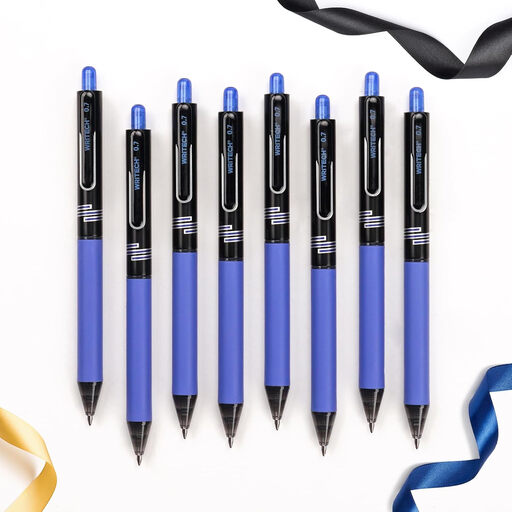
Why it stands out: This model's key feature is its long, soft, ergonomic grip. Designed for long writing sessions, it offers unparalleled comfort and reduces hand fatigue.
Advantages:
Who is it for? Professionals who write a lot, students during exam periods, and anyone who prioritizes comfort for daily, intensive use.
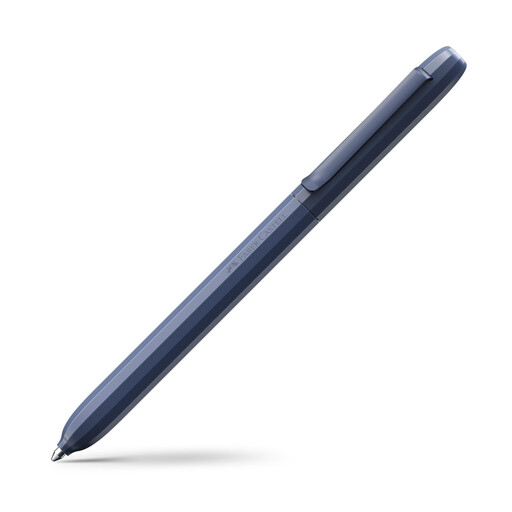
Why it stands out: Although this is a ballpoint and not a gel pen, we've included it in our selection for its unique approach. It combines a clean Scandinavian design with a strong environmental commitment: it is made from 92% recycled plastic.
Advantages:
Who is it for?Design lovers and eco-conscious consumers, those looking for a gift that is both practical and elegant, or those who want the reliability of a ballpoint without sacrificing writing smoothness.
If you're looking for an exceptional item, a memorable gift, or a writing instrument for special occasions, other options are available. A signature pen or a model from a prestigious brand will offer premium materials and a timeless design.
Feel free to explore our collection of gift and signature pens to discover even more prestigious models.
The main difference lies in the ink. A ballpoint pen's ink is oil-based, so it is thicker, more durable, and dries almost instantly. A gel pen's ink, which is water-based with pigments, is more liquid and offers more vibrant colors. The glide is smoother, but drying time is generally a bit longer.
To avoid smudges, choose pens with "quick-dry" ink. Using quality paper with good absorption also plays a crucial role. Finally, for right-handers, simply give the ink a few seconds to dry before running your hand over it.
A fine-tip pen (0.5 mm or smaller) is ideal if you have small, dense handwriting, as it prevents letters from "bleeding" together. It is also perfect for precise annotations. If your handwriting is larger and wider, a medium tip (0.7 mm) will likely provide more comfort and fluidity.