
Livraison le jour même ou le lendemain

Qualité garantie

Débloquez vos offres de bienvenue: Livraison GRATUITE | Jusqu'à -80 % | 30 jours d'essai gratuits à JoyPlus
Téléchargez l'application
In today's hyper-connected world, our lives are filled with devices. From remote controls to kids' electric cars and DIY gadgets, power is everything. Yet, buying electronics and their accessories can often feel like an uphill battle. Too often, we end up with products that don't live up to their promises, wasting both time and money. Before your next purchase, here are the common pitfalls to avoid.
The first pitfall is overstated performance. A portable Bluetooth speaker that promises 12 hours of battery life but dies after 4, or a cordless car polisher whose power drops after just a few minutes—it's incredibly frustrating. The second, more subtle trap, relates to the power source itself. Buying a high-performance device and using low-quality batteries is like putting a city car engine in a Formula 1 race car: its full potential is never unlocked.
This guide is here to help you make sense of it all, breaking down the essential criteria for making the right choice and recommending products that solve real-world needs.
To avoid disappointment, it's better to rely on objective technical specifications than on marketing claims. Here are the points you should always verify.
Not all devices have the same power requirements. A wall clock is very low-drain, while a game controller or a camera flash are true power hogs.
For a rechargeable device, battery life is the number one criterion. It's directly linked to the battery's capacity, expressed in milliampere-hours (mAh). The higher this number, the longer the long-life battery will last.
For example, a cordless car polisher with a 7500 mAh battery, like the EAFC model, can cover a much larger area than an underpowered 2000 mAh model. Similarly, a portable speaker with a 3600 mAh battery will give you several hours of playback, perfect for a day outdoors.
A good electronic product is one that's built to last. This can be verified on several points:
Instead of an endless catalogue, here are a few products that check all the boxes for performance and reliability, tailored to specific user profiles.
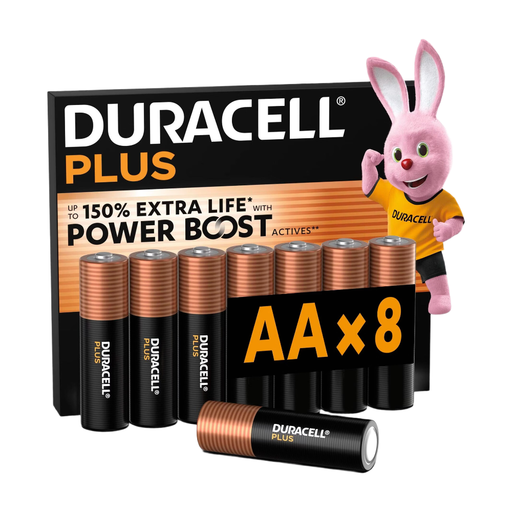
Why we chose it: Perfect for powering everyday devices (remotes, toys, clocks) with a reliable and long-lasting energy source, so you can set it and forget it.
No more low-quality batteries that leak or die in the blink of an eye. The brand's reputation, combined with a 10-year storage guarantee, provides complete peace of mind.
Everyday reliability and zero-plastic packaging: the winning combination for more responsible consumption.
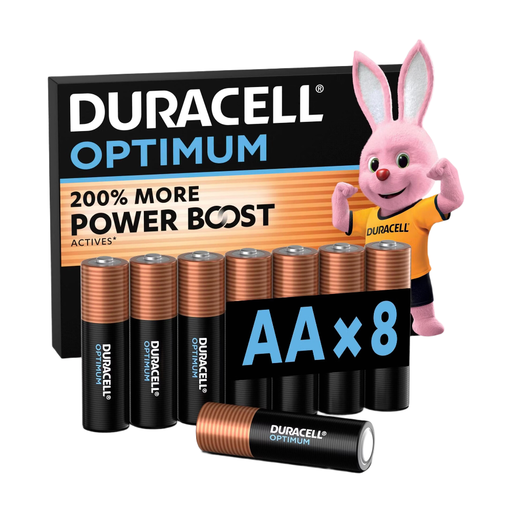
Why we chose it: For gamers, tech enthusiasts, and families whose motorised toys devour energy. A solution designed for the most demanding devices.
This is the answer to the problem of standard batteries draining in record time in power-hungry devices. Its technology, according to Duracell, delivers either extra power or extra life.
Specially designed for power surges, with a record-breaking 12-year shelf life and 100% recyclable packaging.
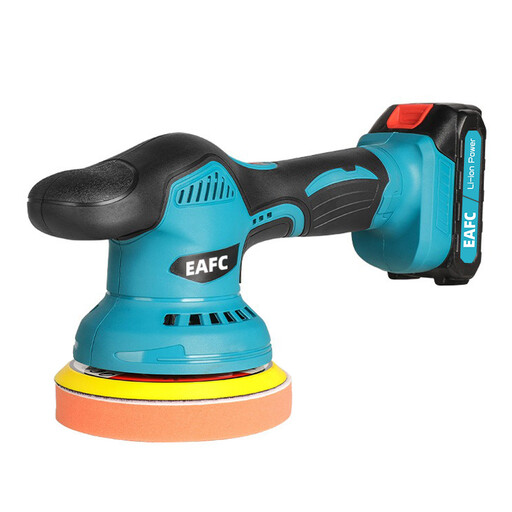
Why we chose it: For car enthusiasts and demanding DIYers who want a powerful and long-lasting cordless tool to detail their car or for renovation projects.
No more frustration from cordless tools running out of steam. With its 7500 mAh rechargeable battery and high-torque motor, you can work in a single session without interruption.
Its 8-level adjustable speed (2800-5500 RPM) offers formidable versatility, from simple waxing to correcting micro-scratches.
Explore our full selection of tested and approved products that meet the strictest safety standards.
It all comes down to internal chemistry. Batteries for power-hungry devices, like the Duracell Optimum range, are optimised to deliver a surge of power (ideal for a camera flash) or to maintain a high voltage for longer when the device is under heavy load. In contrast, standard batteries are perfect for a slow, continuous discharge, typical of clocks or remote controls.
The secret to maximising a battery's lifespan? Avoid draining it completely. Ideally, you should recharge your device when it reaches 10-20% battery life. Another tip: don't leave it plugged in permanently once it's 100% charged, and store it in a cool, dry place. If you're not using it for a long time, maintain a charge of around 50%.
Absolutely, and it's a growing trend. The cardboard packaging for Duracell batteries, for example, is 100% recyclable. As for used batteries, be careful: never throw them in the regular bin! Dedicated collection points are available in most supermarkets and recycling centres to ensure they are recycled safely.