
Livraison le jour même ou le lendemain

Qualité garantie

Débloquez vos offres de bienvenue: Livraison GRATUITE | Jusqu'à -80 % | 30 jours d'essai gratuits à JoyPlus
Téléchargez l'application
Perfect basmati rice—with its long, fragrant grains that never stick—is a dream within reach, as long as you choose the right one. But with a maze of brands, grain types, and sizes, it's easy to feel lost. How do you know which one will elevate your family biryani, vegetable curry, or a simple side dish?
At Joybuy, our mission is to do the groundwork for you. This guide gives you all the keys to choosing THE basmati rice that will meet your culinary expectations without breaking the bank.
Before diving into our selection, here are the essential points to check to make the right choice.
The hallmark of a good basmati is its long grain. When cooked, it should elongate dramatically while remaining thin and perfectly separate. This is the secret to a non-sticky basmati rice with a light and fluffy texture. A superior quality grain can double in length without becoming thick or breaking.
Most basmati rice is sold as "white" rice, meaning it has been polished. However, you can also find "parboiled" rice (often called Sella), which has been steam-cooked in its husk before being milled.
For families and anyone who cooks rice regularly, opting for a 5 kg basmati rice bag is a winning move. Not only is the price per kilo much more cost-effective, but it also ensures you always have this essential ingredient on hand. Just remember to transfer it to an airtight container, away from light and moisture.
Here are our top picks, each catering to a specific need: everyday use, festive dishes, or a quick solution.
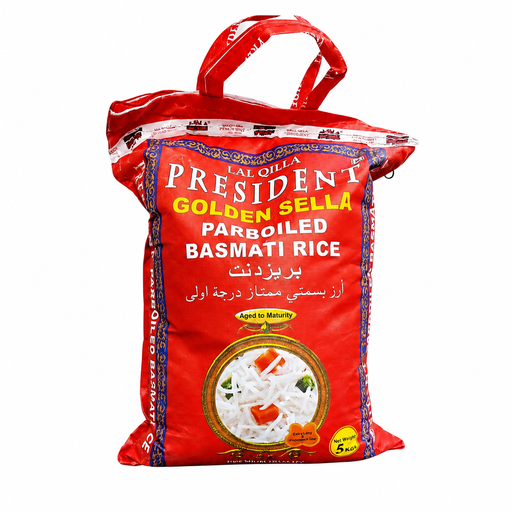
Why we love it?: This rice stands out for its Golden Sella (parboiled) processing. This steam precooking method seals in nutrients and guarantees a foolproof, firm, and non-sticky texture. Its rich aroma and slightly golden colour, typical of this process, are a mark of quality.
Key features?:
Who is it for? For cooks who often prepare slow-cooked dishes, pilafs, or biryanis and want a rice that never gets mushy, even after long cooking or reheating.
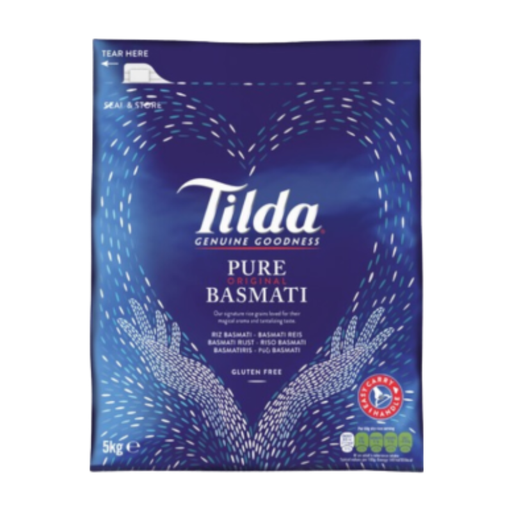
Why we love it?: Tilda is an absolute benchmark, renowned for its consistency and the impeccable quality of its grains. We love it for its delicate and authentic aroma and its grains that elongate during cooking for a fine, light result.
Key features?:
Who is it for? For those seeking the reliability of a trusted brand. It's the ultimate versatile choice, equally good as a simple side dish or in the most elaborate recipes.
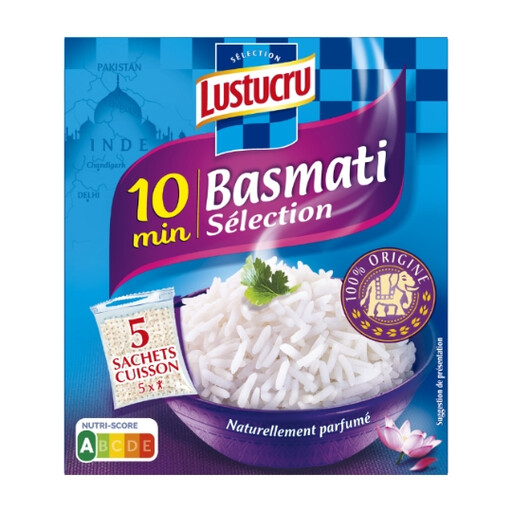
Why we love it?: Here, the key word is convenience. Presented in boil-in-bags, it offers a quick and hassle-free solution for preparing a portion of basmati rice in minutes, without measuring water or monitoring the cooking.
Key features?:
Who is it for? Ideal for students, single people, or busy families who want to enjoy good basmati rice without spending a lot of time in the kitchen.
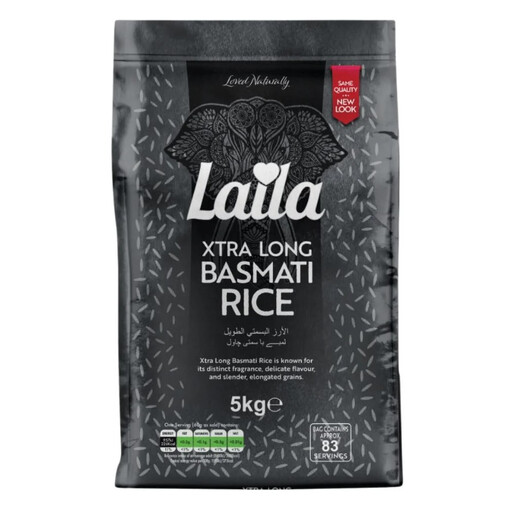
Why we love it?: This rice is famous for its extra-long grains, which elongate impressively during cooking for a stunning result on the plate. Its delicate, nutty flavour and pearly white colour elevate any dish.
Key features?:
Who is it for? For culinary aesthetes who place special importance on presentation. It's the perfect choice for festive meals or for impressing guests with remarkably long rice.
Our selection is just a taste of the rich world of rice. To discover other varieties, find the perfect grain for a specific recipe, or simply compare brands, feel free to browse our complete collection.
? Discover our full range of Indian rice to find the grain that will elevate your recipes.
1. Should you rinse basmati rice before cooking? Yes, it's a crucial step! Rinse the rice in cold water several times until the water runs clear. This removes excess starch, which is the secret to getting separate grains and a non-sticky basmati rice.
2. What's the difference between basmati and Thai (jasmine) rice? Although they are both long, fragrant rices, they each have their own character. Basmati rice has a distinctive nutty aroma and a drier, firmer texture. Jasmine rice, on the other hand, offers a more floral fragrance and a slightly softer, stickier texture. The former comes from the Indian subcontinent, while the latter is mainly from Thailand.
3. How should you store a large 5 kg bag of basmati rice? To preserve its freshness and aroma, the best practice is to transfer the rice to a large, airtight container as soon as you open the bag. Store it in a cool, dry, and dark place, like a cupboard or pantry. Proper storage protects it from moisture and pests that could compromise its quality.