
Same-day & Next-day Delivery

Quality Guaranteed

Unlock Your Welcome Offers: FREE Delivery | Up to 80% OFF | Free 30-day JoyPlus trial
Download the APP
A small cut in the kitchen, a scraped knee after a fall, a painful blister after a long walk… Bandages are one of those everyday essentials we think we know well. Yet, when faced with shelves overloaded with promises, it's easy to get lost. Between the so-called "waterproof" bandage that gives up in the shower and the one that irritates your skin, finding the right one can feel like an uphill battle.
Our mission, as product recommendation experts, is to help you see things more clearly. Let's forget the marketing jargon and focus on what's essential: effective and comfortable care. Here are the mistakes to stop making and the criteria that truly matter for making the right choice.
The bandage aisle is filled with products in attractive packaging, but they are far from equal. Here are two classic mistakes that can make a bandage not only ineffective but also very uncomfortable.
To ensure you never make a mistake again, examine these three characteristics that make all the difference.
The bandage's material has a direct impact on comfort and healing speed.
Whatever the material, make sure it is micro-perforated to let the skin breathe. This is an essential condition to prevent maceration and ensure optimal healing.
The choice of format depends primarily on your use case:
A sterile bandage is individually wrapped and has undergone a process to eliminate all microorganisms. It is reserved for large wounds, deep cuts, or post-operative care to minimise the risk of infection. For a simple scrape, a standard clean bandage is perfectly sufficient.
To help you sort through the options, here are a few products that tick all the right boxes, based on the criteria we've just reviewed.
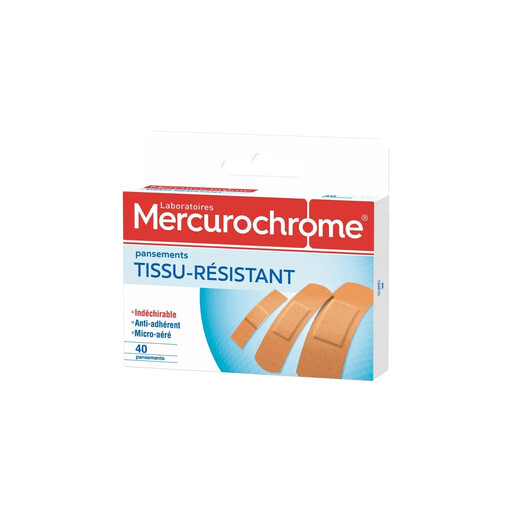
Why we chose it: This pack is the all-in-one solution for the family's minor injuries. Its stretch fabric perfectly conforms to mobile areas like children's fingers or knees, ensuring an impeccable hold all day long.
With 3 different sizes, you always have the right format on hand. No more wasting boxes where only one size ever gets used.
Its cotton and polyamide fabric is both durable and micro-aerated, allowing the skin to breathe to promote healthy healing.
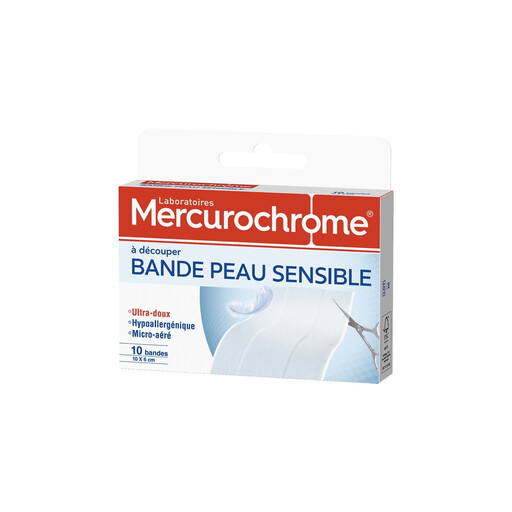
Why we chose it: For skin that can't tolerate anything, this bandage is the perfect solution. Its design is entirely focused on gentleness and respect for the most fragile skin.
It directly tackles the problem of irritating adhesives. Its hypoallergenic formula is designed to minimise the risk of skin reactions, so you can say goodbye to redness and itching.
Its non-woven backing is incomparably soft and micro-aerated, ensuring protection that lets the skin breathe. The cut-to-size format makes it ultra-versatile.
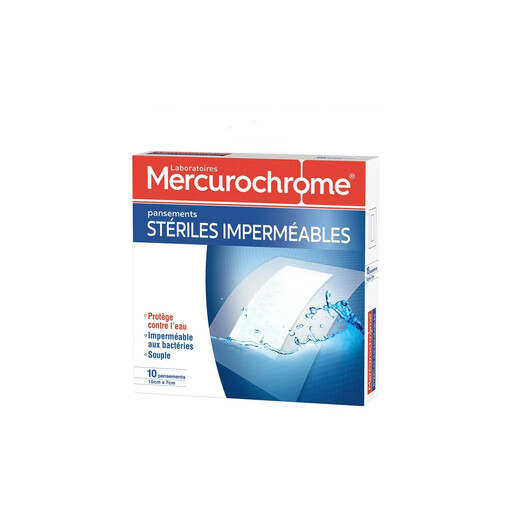
Why we chose it: This bandage is designed for demanding situations: protecting a large wound, stitches, or an injury during sports or at the pool. Its large size and sterility make it a go-to ally for technical care.
It ends the nightmare of "fake waterproof" bandages. Thanks to its four-sided adhesive seal, it creates a truly watertight barrier that isolates the wound from water and bacteria. Showering with complete peace of mind is now possible.
The bandage is sterile and its central pad does not stick to the wound. The result: maximum protection against infection and pain-free removal, two essential criteria for post-operative or delicate wounds.
We have selected a complete range of products that meet our rigorous selection criteria and current safety standards.
As a general rule, a standard bandage should be changed daily, or as soon as it becomes wet or dirty. This is the best way to keep the wound clean and monitor healing. For technical bandages like hydrocolloids (for blisters), they can be left in place for several days, until they start to detach on their own.
It all depends on its design. As we've seen, a model with a four-sided adhesive, such as Mercurochrome's sterile waterproof bandage, offers a much more reliable barrier. Pro tip: apply it to clean, dry skin without stretching it, then press firmly on the edges to perfect the seal.
A good first-aid kit should be simple and functional. Here are the essentials to include:
Some ready-made kits, like those from Hansaplast, group the essentials into a compact format. Having these products on hand allows you to effectively handle minor everyday accidents.