
Livraison le jour même ou le lendemain

Qualité garantie

Débloquez vos offres de bienvenue: Livraison GRATUITE | Jusqu'à -80 % | 30 jours d'essai gratuits à JoyPlus
Téléchargez l'application
A baby's skin, especially during the first few months, is incredibly fine and delicate. As a parent, finding a product that is both gentle and effective can feel like a daily mission. Choosing the right baby wipes for sensitive skin can quickly become overwhelming given the jungle of options and marketing claims.
This guide is here to bring some clarity. We'll break down the essential criteria before presenting our selection of tried-and-tested products, whether for a newborn or a toddler with reactive skin.
Before you start comparing packs, let's review the key factors that make all the difference for fragile skin.
The ingredients list (INCI) is your best friend. For the cleanest possible formula, look for short ingredient lists.
The wipe's fibre is just as important as its lotion. Wipes made from natural-origin fibres (cellulose, cotton, bamboo) are often softer on the skin.
For environmentally-conscious parents, biodegradable wipes are a great alternative. They are designed to break down more quickly than synthetic wipes. But be careful: biodegradable does not mean flushable. They must always be disposed of in the bin.
Buying a bulk pack of baby wipes is not only more economical, but it also saves you from running out at the worst possible moment. Large packs are perfect for the changing table, while smaller packs slip easily into the diaper bag for when you're on the go. Also, remember to check the closure system—there's nothing more annoying than wipes that dry out prematurely.
Here is our selection of wipes that caught our eye for their impeccable formulation and gentleness.
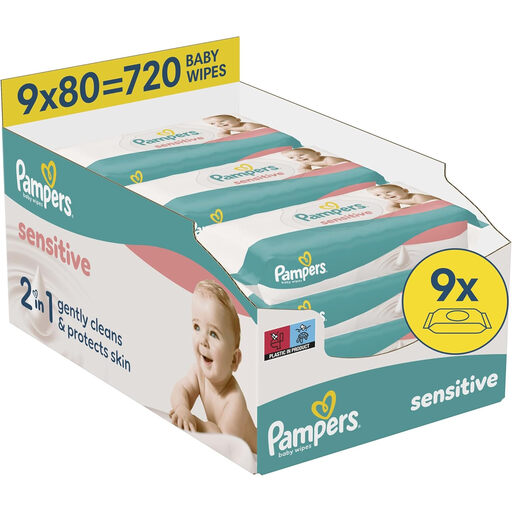
The highlights?: Pampers Sensitive wipes are designed for dual action: to gently cleanse while protecting the skin. The brand highlights a unique formula that helps restore the skin's natural pH, which is essential for preserving its protective barrier. They are formulated to be alcohol-free and fragrance-free.
Benefits:
Who is it for?? For parents looking for a reliable and cost-effective solution from a trusted brand, especially suitable for frequent use.
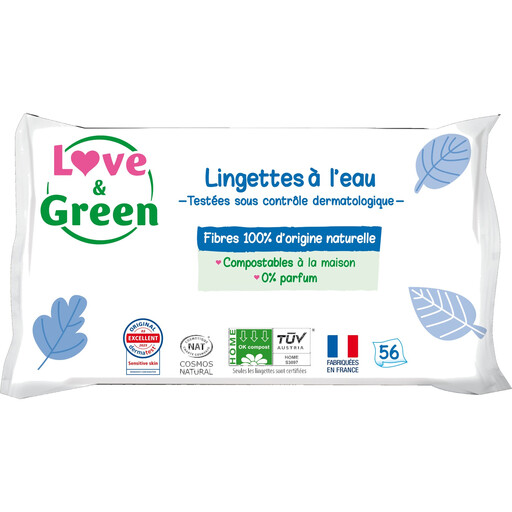
The highlights?: With LOVE & GREEN, the focus is on natural and eco-friendly ingredients. These water-based wipes are made from 100% natural-origin fibres and are biodegradable. Their formula is COSMOS NATURAL certified by ECOCERT, a true seal of approval.
Benefits:
Who is it for?? For parents who are conscious of their environmental impact and are looking for a clean, certified formula for their newborn's very sensitive skin.
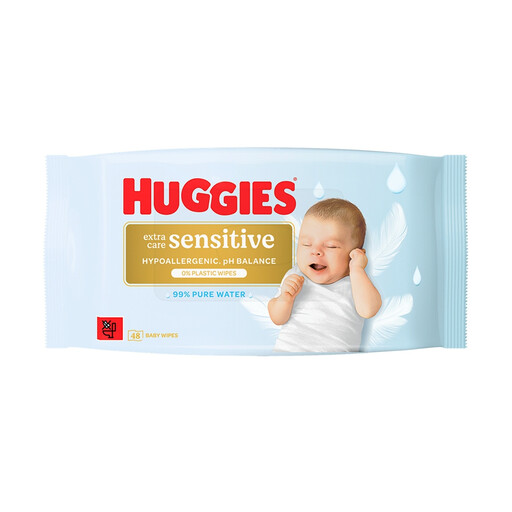
The highlights?: Huggies Extra Care Sensitive wipes stand out for their thickness. They are made with 99% pure water and contain 67% cellulose, natural fibres that give them high absorbency and durability, making them practical for bigger messes where one wipe isn't enough.
Benefits:
Who is it for?? For parents who need particularly robust and absorbent wipes, while still ensuring a very pure and gentle formula for their baby's skin.
Parenting is a marathon. Beyond skincare, certain equipment can truly make your life easier.
For instance, for late-night bottle feeds or just a comforting cup of tea, a high-performance kettle is a great ally. Discover our selection of portable electric kettles to find a model that fits your needs.
Absolutely, as long as you choose products specifically formulated for newborns. Opt for water-based wipes with the shortest possible ingredient list, fragrance-free, and tested to be hypoallergenic. As a precaution, it's always a good idea to do a patch test on a small area of skin (behind the ear, for example) before fully adopting them.
As the name suggests, hypoallergenic baby wipes are formulated to minimise the risk of allergic reactions. They exclude the most common allergens like fragrances, certain preservatives, or dyes. Classic wipes may contain these ingredients, which isn't a problem for most babies but can be irritating for sensitive or atopic skin.
Biodegradable wipes are made from materials, like plant fibres, that break down naturally under the right conditions. This makes them a more eco-friendly choice, but be warned: they must be thrown in the bin, never flushed down the toilet, as they risk clogging pipes.