Joybuy Insights

Baby Walker Buying Guide: Choosing the Right First-Step Support

Baby's first steps! A magical moment, anticipated with a mix of excitement and a touch of apprehension. To support your little one on this grand adventure, a push walker is an invaluable tool. But with an overwhelming number of options, how do you make the right choice?

Our mission? To help you find clarity. In this guide, we'll break down the essential criteria for choosing a walker that is safe, stimulating, and perfectly suited to your child, and we'll present our top picks.

How to Choose the Right Push Walker?

Before you start shopping, let's review the key points that separate an excellent walking aid from a simple toy. Here are the three criteria you should never overlook.

1. Safety and Stability Above All

Safety is the number one, non-negotiable criterion. A push walker must guarantee rock-solid stability to prevent any risk of tipping over.

  • Structure: Favour models with a wide base, which ensures better weight distribution. A triangular structure is often an excellent guarantee of stability.
  • Wheels: Opt for wheels with a rubber coating. They provide better grip, won't slip on smooth floors (tile, hardwood), and as a significant bonus, are much quieter. Some models even include a braking system or speed control to adapt to your child's progress.
  • Materials and Finish: Check that the materials are sturdy and the finish is high-quality, with rounded corners to prevent bumps and scrapes. The product must comply with current European safety standards (EN 71 standard).

2. Developmental Potential: More Than Just a Pusher

Far more than a walking aid, the walker is a true mobile activity centre. The built-in games are perfect for stimulating your child's cognitive development and fine motor skills between explorations.

  • Varied Activities: Shape sorters, abacuses, gears, mirrors, small instruments... The more varied the activities, the more engaged and curious your child will remain.
  • Sensory Development: Different textures, bright colours, and sounds contribute to sensory awakening. It's an excellent developmental toy for one-year-olds that supports the child's progress from sitting up to walking confidently.

3. Materials: Wood or Plastic?

The choice of material will directly impact the walker's durability, weight, and, of course, style.

  • Wood: Praised for being eco-friendly, sturdy, and having a timeless charm. A wooden push walker is generally heavier, an asset that enhances its stability, making it ideal for those very first steps.
  • Plastic: High-quality plastic models (PP or ABS) are lighter and often include electronic features (lights, music). Another practical advantage: they are usually easier to clean.

Recommended Walkers and Developmental Toys

To help you with your choice, here is a selection of products that meet different needs and preferences.
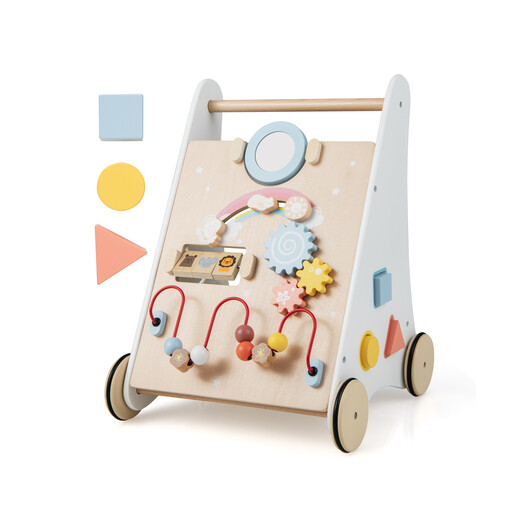
Wooden Push Walker with Multiple Activity Centre - White

Wooden push walker with multiple activities for babies

Why it stands out: This model combines the timeless elegance of a wooden toy with the versatility of an ultra-complete activity centre. Its 7-in-1 design makes it a smart, long-lasting investment that will be useful long after your child has learned to walk.

Advantages:

  • Ergonomic Design: Helps toddlers adopt a proper walking posture.
  • Quality Materials: Made from linden wood and MDF for optimal sturdiness and durability.
  • Multiple Activities: Abacus, gears, building blocks… plenty to stimulate fine motor skills while having fun.
  • Practical Details: The rubberised wheels protect floors, and the small storage basket at the back is perfect for carrying stuffed animals and other treasures.

Who is it for? For parents looking for a beautiful, multifunctional, and durable item that encourages screen-free, play-based learning.
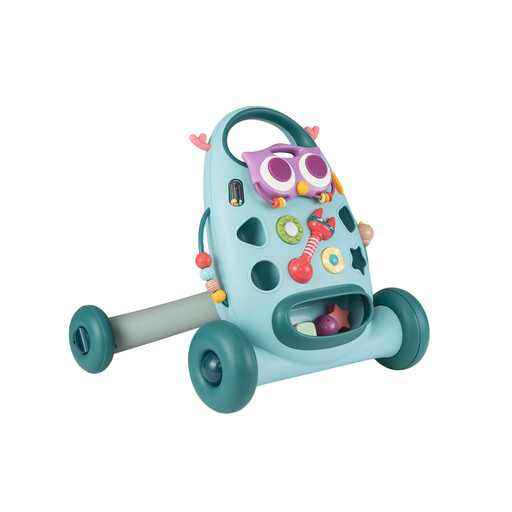
Push Walker with Removable Oval Play Panel - Blue

Blue push walker with removable play panel

Why it stands out: Its key feature? Thoughtful modularity. The removable play panel can be used on the floor long before the first steps, and the adjustable wheel speed system is a major plus for safety.

Advantages:

  • 2-in-1: Serves as both a push walker and a standalone developmental play panel.
  • Adjustable Safety: The rear wheels offer two speeds (slow or fast) and can even be locked, making it ideal for adapting to each child's pace.
  • Sensory Stimulation: Music, lights, a shape sorter, and beads… everything is there to motivate and stimulate the senses.
  • Stable Structure: Its triangular structure provides excellent stability.

Who is it for? For families looking for an adaptable product with reassuring safety options and a touch of electronic stimulation.
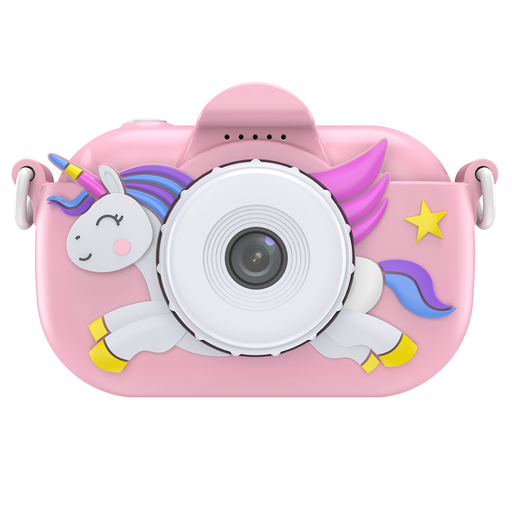
Alternative: A First Camera to Spark Creativity

Pink kids' camera with a silicone case

Why it stands out: Is your child already walking like a pro, or are you looking for a unique first birthday gift idea? This kids' camera is a brilliant option. It encourages observation, creativity, and the desire to copy the grown-ups.

Advantages:

  • Designed for Kids: Its soft silicone shell is shock-resistant and ensures a perfect grip for little hands.
  • Sparks Creativity: Ideal for mimicking adults and starting to capture their own view of the world.
  • Simple to Use: With its large buttons and ultra-simple interface, it's perfectly suited for young children.
  • A Memorable Gift: A perfect gift for a birthday or Christmas that will create wonderful memories.

Who is it for? For those who want to give an original gift that awakens creativity and curiosity beyond pure motor skills.

Looking for Other Toy Ideas?

Every child develops at their own pace, with their own interests. If our selection doesn't quite match what you're looking for, or if you simply want to explore other options to support their growth, take a look at our complete collection.

Discover our complete collection of active toys for kids

Frequently Asked Questions About Push Walkers

1. At what age can a baby use a push walker?

There's no specific age. The right time is when your baby starts to pull themselves up to a standing position and shows a desire to move, usually between 9 and 12 months. The most important thing is not to rush them and to always supervise use.

2. What's the difference between a push walker and a seated walker?

The difference is fundamental and crucial for safety. A push walker is placed in front of the child: they stand and push it, which strengthens their muscles, improves their balance, and promotes a natural posture. In contrast, a seated walker (the "container" style) is a seat on wheels in which the child is suspended. This type of device is unanimously advised against by paediatricians: it hinders proper walking development and poses serious accident risks, such as falls down stairs or tipping over.

3. Is a wooden push walker safer?

Not necessarily. Safety depends primarily on the overall design. A wooden toy is often heavier, which gives it excellent natural stability. However, a well-designed plastic walker with a wide base and non-slip wheels will be just as safe. The most important thing is to check the product's overall stability and its compliance with the European EN 71 standard.