
Livraison le jour même ou le lendemain

Qualité garantie

Débloquez vos offres de bienvenue: Livraison GRATUITE | Jusqu'à -80 % | 30 jours d'essai gratuits à JoyPlus
Téléchargez l'application
By the Joybuy Editorial Team, July 21, 2026
It's often overlooked, but just as crucial as your choice of shoes, your athletic socks are essential for both performance and comfort. An ill-suited pair can turn a pleasant workout into a total nightmare, marked by blisters, chafing, and the feeling of constantly damp feet.
This guide is here to help you make an informed decision. We'll break down the key features to consider, whether your playground is the running track, the fitness studio, or the snowy slopes.
Before diving into our top picks, let's review the essential criteria that should guide your choice.
The choice of fabric is crucial for managing sweat and regulating the temperature of your feet.
These two elements have a direct impact on the support and protection of your foot.
The height of the sock depends on your activity, as well as your personal preference.
Here are the models that caught our eye, each tailored for a specific activity.
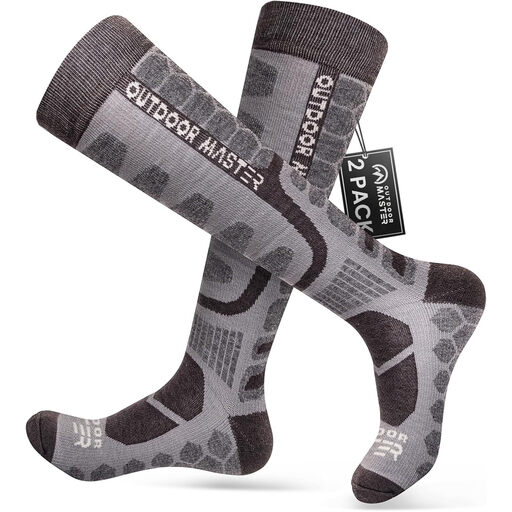
Why It Stands Out
This model combines the best of both worlds: the warmth and breathability of merino wool (in a 30% blend) and the muscle support of compression socks. Its high-cut design is engineered to fit perfectly with ski or snowboard boots.
Key Features
Who It's For
These socks are primarily for winter sports enthusiasts (skiing, snowboarding) or cold-weather hikers looking for warmth, comfort, and muscle support.
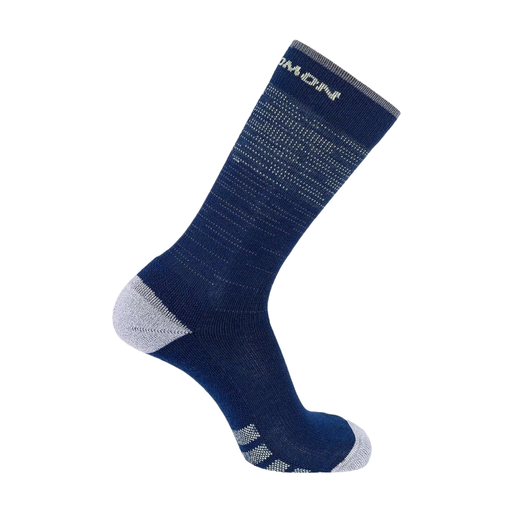
Why It Stands Out
Designed by a leading brand in trail and road running, the Predict Crew Socks focus on moisture management and protection. Their advanced synthetic composition makes them an excellent choice for running.
Key Features
Who It's For
Ideal for runners and outdoor athletes who want to keep their feet dry and enjoy lasting comfort during intense activities. They are an excellent choice for anyone looking for anti-blister socks.
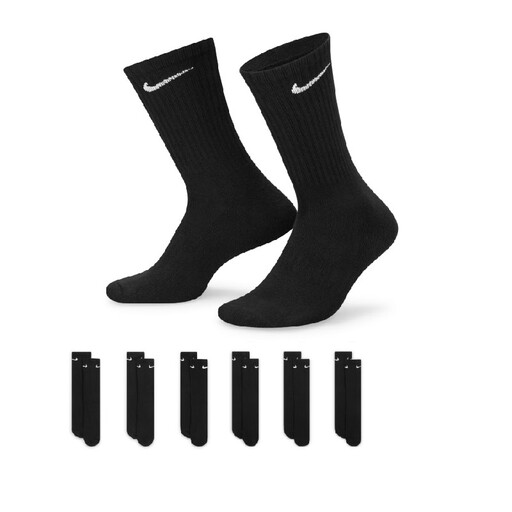
Why It Stands Out
These socks are designed for gym training and everyday comfort. Their two biggest strengths are a thick terry sole for excellent cushioning and unbeatable value in a six-pair pack.
Key Features
Who It's For
Perfect for fitness, weightlifting, cross-training, or anyone looking for comfortable, cushioned socks for daily use or gym workouts.
After the workout, it's time to relax. Finished your session and now you're dreaming of something soft for your downtime at home? If performance is no longer the priority, but warmth and coziness are, we have just what you need.
For cozy evenings in or to keep your feet warm all winter, explore our selection of soft and warm high socks.
To effectively combat sweat, opt for synthetic materials like polyester or polyamide. They don't absorb moisture but instead pull it to the outside of the sock, allowing your foot to stay dry. Merino wool is also an excellent alternative, as it can absorb a large amount of moisture while still feeling dry to the touch.
They aren't mandatory, but they offer significant benefits. Compression socks provide support that can reduce muscle vibrations and, therefore, fatigue over long distances. Many runners appreciate the supportive feeling they provide. Ultimately, it all comes down to personal preference and your goals.
Blister prevention comes down to three key factors: