
Livraison le jour même ou le lendemain

Qualité garantie

Débloquez vos offres de bienvenue: Livraison GRATUITE | Jusqu'à -80 % | 30 jours d'essai gratuits à JoyPlus
Téléchargez l'application
As the popularity of Asian flavours continues to grow, so does the curiosity for more unique sweets. The Asian red bean snack is emerging as a delicious and exotic alternative. With an ever-expanding market, navigating the options to make an informed choice can be challenging. As the Product Recommendation Manager at Joybuy, my role is to guide you through the selection process using objective criteria to guarantee a satisfying experience.
This guide aims to provide the insights you need to choose high-quality products that meet the expectations of discerning consumers, and to present a curated selection of snacks worthy of your attention.
Before you dive in, a few simple checks can help you identify a quality product. Here are a few points to verify, in line with European standards.
Transparency is key. A clear and concise ingredient list is often a good indicator. Pay close attention to the percentage of red bean paste (sometimes called anko). A higher percentage suggests a more authentic flavour. Also, note the sugar content and the presence of any additives. A quality product balances indulgence without an excess of superfluous ingredients.
In France and the European Union, imported food products must adhere to strict standards. Ensure the packaging clearly states the name and address of the manufacturer, as well as the European representative. This information, though often discreet, is a guarantee of traceability and reliability.
The Asian dessert comes in many forms. An individual cup format, like a sweet tteokbokki, is perfect for a quick, indulgent break. Individually wrapped cakes, such as dorayaki, are ideal for sharing or as an on-the-go snack. Finally, canned options like red bean congee can be stored and prepared as a comforting meal in minutes.
Keeping these criteria in mind, here are a few products that stand out for their format, ingredients, and convenience.
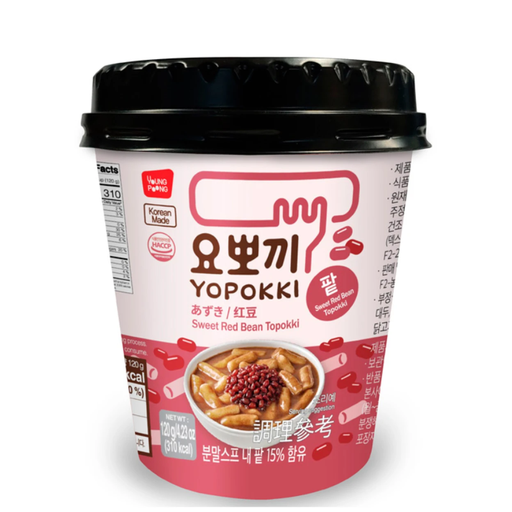
Why we recommend it
This product offers an original take on tteokbokki, which is typically savoury and spicy. The red bean paste version transforms it into a sweet, warm, and comforting dessert or snack. The chewy texture of the rice cakes pairs beautifully with the sweet sauce. It's an interesting gateway to sweet Korean cuisine, which is often less well-known.
Pros
Who is this product for??
Ideal for students, young professionals, or anyone looking for a quick and original dessert. It's also an excellent choice for the curious who wish to discover a different side of Korean street food, often available in a speciality Korean grocery store.
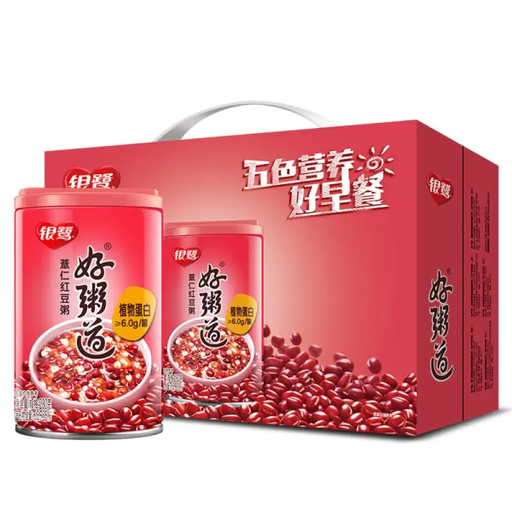
Why we recommend it
This congee (rice porridge) is a classic Chinese snack. The Yin Lu brand offers a ready-to-eat version that combines red beans with other grains and legumes like Job's tears, barley, and oats. The result is a substantial, lightly sweetened, and nutritious dish that can be enjoyed hot or cold.
Pros
Who is this product for??
This congee is perfect for those looking for a healthy and quick breakfast or snack. It is also well-suited for those who enjoy the gentle flavours and comforting textures of Asian porridges.
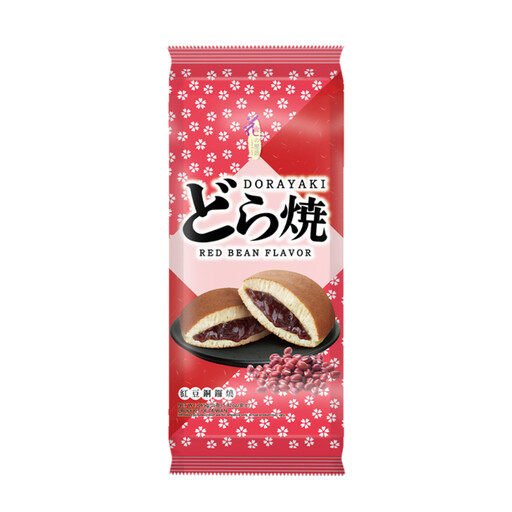
Why we recommend it
The dorayaki is arguably the most famous Japanese cake made with red bean. This version from Love & Love respects tradition with two fluffy pancakes sandwiching a generous layer of red bean paste. The three-pack format is convenient for on-the-go consumption or a shared snack.
Pros
Who is this product for??
This product is an excellent choice for the whole family. It will appeal to lovers of Japanese desserts, children as an afternoon snack, and anyone looking for a simple, delicious treat to enjoy with tea or coffee.
If the idea of making your own desserts appeals to you, or if you can't find the right snack, an excellent alternative is to use pre-prepared red beans. They serve as a base for many recipes, from sweet soups to cake fillings.
To do so, you can explore our selection of [canned legumes](https://www.joybuy.fr/explore/conserve-de-legumineuses/KS2uhUB6), where you'll find basic ingredients to unleash your culinary creativity.
Anko is a sweet paste made from cooked and sweetened adzuki beans (a variety of red bean). It is a fundamental ingredient in many Asian pastries, particularly in Japan, China, and Korea. It comes in several textures, from completely smooth (koshian) to a chunkier paste where parts of the beans remain (tsubuan).
Mostly, yes. In Asian culinary culture, red beans are primarily used in sweet preparations like desserts, cakes, or drinks. However, they can also be incorporated into savoury dishes, although this is less common for snack-type products. The Yopokki featured above is a good example of a fusion between a dish base (rice cakes) and a dessert flavour.
For dry products like dorayaki, it is best to store them in an airtight container at room temperature and consume them quickly to maintain their softness. For products in cups or cans like tteokbokki or congee, if there are any leftovers, transfer them to a clean container and store them in the refrigerator for a maximum of 24 to 48 hours. Always refer to the instructions on the packaging.