
Livraison le jour même ou le lendemain

Qualité garantie

Débloquez vos offres de bienvenue: Livraison GRATUITE | Jusqu'à -80 % | 30 jours d'essai gratuits à JoyPlus
Téléchargez l'application
By Joybuy, Our Product Specialist
The secret to truly great Asian fried chicken? Golden, crispy skin, perfectly juicy meat, and above all, the seasoning that makes all the difference. Whether you're dreaming of an ultra-crispy Korean fried chicken, a melt-in-your-mouth Japanese karaage, or a fragrant Indonesian ayam goreng, finding the right spice blend can quickly become a puzzle.
This guide is here to help you make sense of it all. We're breaking down the different types of seasonings so you can easily recreate the dish you've been craving right at home.
Before you dive in, a few simple criteria will help you find the perfect product for your taste and cooking style.
The texture and flavour of your chicken depend directly on this choice.
Asia is home to countless fried chicken recipes. Your choice of seasoning will depend directly on which one you're making:
A quick look at the ingredients list will give you valuable clues about the flavour profile. Garlic, ginger, pepper, and chilli are classics. The presence of soy sauce powder, galangal, or curry powder indicates a more specific direction: Japanese, Indonesian, or Korean, respectively.
Here are our three favourite products, each tailored to a very specific style of fried chicken.
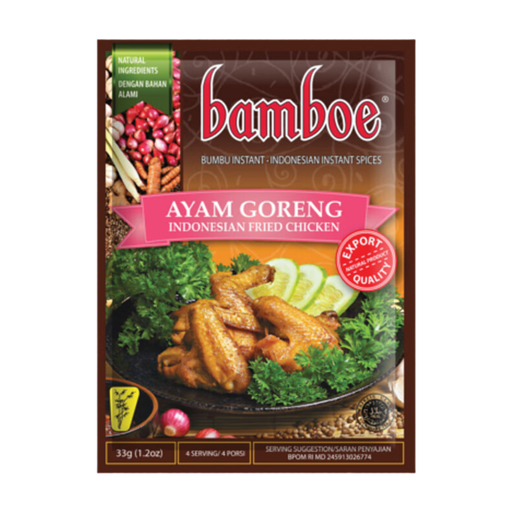
Why We Love It
This concentrated seasoning paste is perfect for preparing Ayam Goreng, the traditional Indonesian fried chicken. Its key feature is an authentic blend of spices that includes shallots, garlic, galangal (9%), and lemongrass (5%). Note that this is not a coating, but a marinade that deeply perfumes the meat.
Highlights
Who Is It For?
For the curious and lovers of rich flavours who want an alternative to classic breaded fried chicken. It's the ideal choice for recreating the authentic taste of Ayam Goreng without having to hunt through Asian grocery stores for ten different spices.
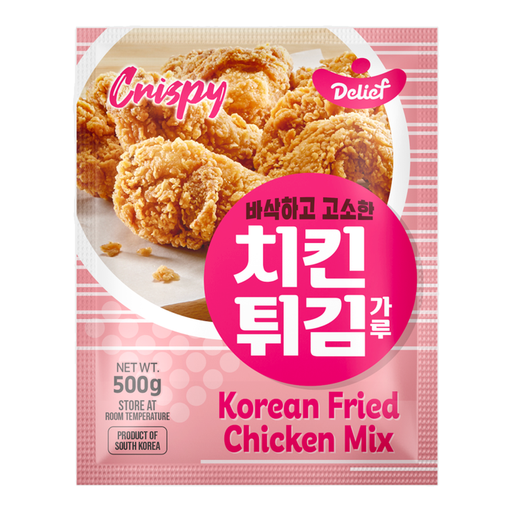
Why We Love It
This mix was designed for one thing: to achieve the extra-crispy texture of Korean fried chicken. Its secret? A composition based on wheat flour and corn starch, optimised for frying. The included seasoning packet adds notes of onion, garlic, paprika, and a touch of curry for a bold yet perfectly balanced flavour.
Highlights
Who Is It For?
For all K-Food fans who want to finally master the art of Korean fried chicken at home. The perfect solution for those who refuse to compromise on crispiness.
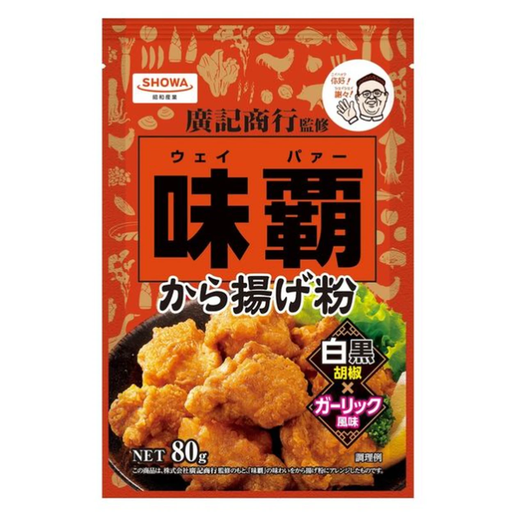
Why We Love It
This powder is the all-in-one solution for a quick and easy Japanese karaage chicken. It combines the marinade (garlic powder, soy sauce powder) and the coating (wheat flour, starch). Simply mix it with a little water to form a batter, coat the chicken, let it marinate for a few minutes, and fry.
Highlights
Who Is It For?
For those who love karaage chicken and are looking for a fast, foolproof method to get it right every time. An excellent choice for a flavourful weeknight meal or a Japanese-inspired appetiser with a twist.
Our selection highlights three popular styles, but the world of fried chicken is endless. To switch things up and discover other marinades, coatings, or spices, feel free to take a look at our full range.
? Discover our entire range of seasoned chicken products
How do I get truly, exceptionally crispy fried chicken? The secret comes down to two things: double-frying (a first cook at a medium temperature, followed by a second, very short fry at a high temperature for crispiness) and using a coating that contains starch (corn or potato), which absorbs less oil than flour alone.
Can I use these seasonings for baking or air frying? Yes, that's an excellent alternative for a lighter dish. The result will obviously be different: you'll get a flavourful roasted chicken, but without the unmistakable crunch of deep-frying. Our tip for baking or air frying: spray a little oil on the coated chicken before cooking at a high temperature.
What's the difference between karaage and "classic" fried chicken? It's all in the preparation. For karaage, the chicken pieces (usually boneless thighs) are first marinated in a mix of soy sauce, garlic, and ginger. They are then coated in a thin layer of starch before frying. This creates a lighter crust and a very distinct umami flavour, which is quite different from thicker, flour-based coatings.