
Livraison le jour même ou le lendemain

Qualité garantie

Débloquez vos offres de bienvenue: Livraison GRATUITE | Jusqu'à -80 % | 30 jours d'essai gratuits à JoyPlus
Téléchargez l'application
The Apple Watch ecosystem has never been more diverse, making it easy to get lost in the options. From models tailored for extreme athletes to those designed for everyday wellness, understanding the key differences is crucial to making the right choice. This guide breaks down the specifics of flagship models like the Apple Watch Ultra 3 and Apple Watch Series 11 to help you find the perfect smartwatch to fit your lifestyle and budget.
Before diving into our comparison, let's define your priorities based on a few key criteria.
Connectivity is arguably the first decision you'll need to make.
All Apple Watch models excel at health tracking, but the different lines are distinguished by their level of specialisation.
Battery life and durability are two decisive factors, especially if you plan for intensive use. The standard aluminium models last about a day, while the Ultra versions, with their titanium cases, can extend to several days in low-power mode. The choice of material (aluminium or titanium) not only affects resistance to impacts and scratches but also, and most importantly, the price of the Apple Watch.
Let's review three models that cater to very different user profiles, from the seasoned athlete to the user seeking a daily wellness partner.
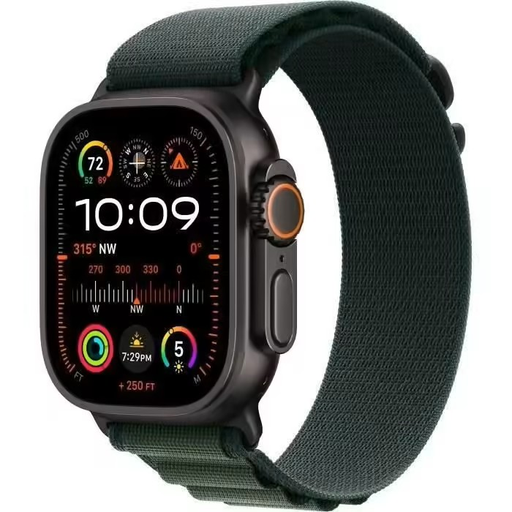
Why It Stands Out: The Apple Watch Ultra 2 remains a benchmark for adventurers and demanding athletes. Its 49mm titanium case and sapphire crystal front give it unmatched durability. It is certified for recreational diving down to 40 metres and integrates advanced sensors for precise tracking in challenging conditions.
Its Key Features:
Who Is It For? For outdoor enthusiasts (hiking, trail running, diving) and anyone who demands marathon-like battery life and an indestructible build.
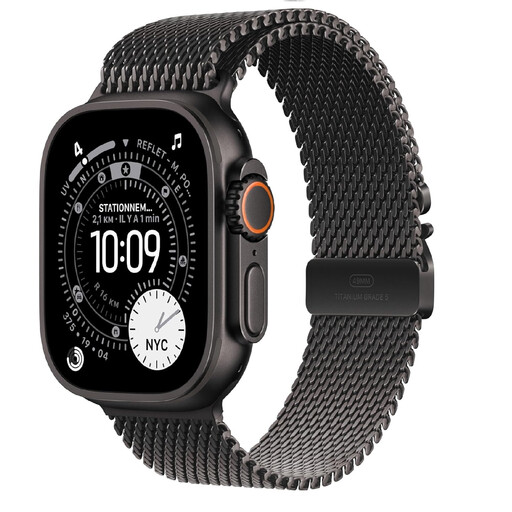
Why It Stands Out: The Apple Watch Ultra 3 pushes the boundaries set by its predecessor even further. It introduces satellite communication for emergency messaging, a game-changing feature for adventures far off the grid. Its wide-angle OLED screen promises even greater brightness, and its battery life during workouts with GPS is optimised.
Its Key Features:
Who Is It For? For explorers, endurance athletes, and tech enthusiasts who want the pinnacle of innovation in safety, connectivity, and performance for their sports smartwatch.
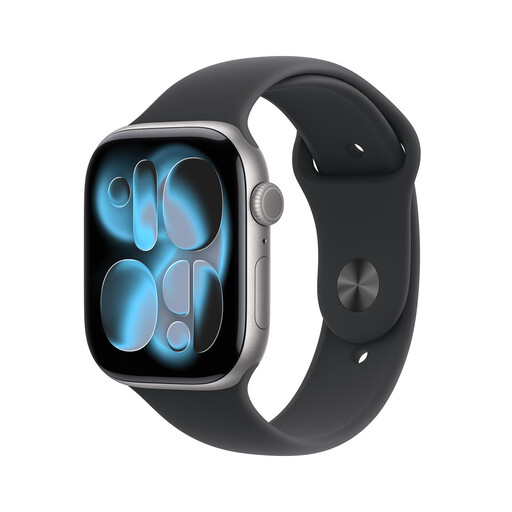
Why It Stands Out: The Apple Watch Series 11 represents the perfect balance of health tracking, fitness coaching, and everyday connectivity. Its lighter aluminium case and slimmer design make it exceptionally comfortable to wear day and night. It comes packed with an arsenal of highly advanced health tracking tools, such as hypertension notifications and detailed sleep analysis.
Its Key Features:
Who Is It For? For anyone looking for a daily companion to track their activity, keep an eye on their health, and manage notifications, without needing the extreme features of the Ultra line.
Did the models we presented not check all your boxes? Want to explore other brands or price ranges? Feel free to browse our complete selection. You'll discover a much wider range of smartwatches for every budget and use case.
Discover our Professional Digital Watch category
1. What is the main difference between the Apple Watch Series 11 and the Ultra 3? The fundamental difference lies in their purpose. The Series 11 is the ultimate all-rounder, designed for everyday wellness and fitness, with an elegant design and an aluminium case. The Ultra 3, on the other hand, is a rugged device built for extreme conditions, featuring a robust titanium case, far superior battery life, more precise GPS, and adventure-specific functions like satellite communication and a dive certification.
2. Is a subscription required for the cellular version of the Apple Watch? Absolutely. To take advantage of the standalone capabilities of an Apple Watch (GPS + Cellular) without your iPhone nearby, you must subscribe to a dedicated plan from your mobile carrier. Most major carriers offer eSIM plans for smartwatches.
3. Can the health features of the Apple Watch replace medical advice? No, and this is a crucial point. The health data from your Apple Watch (ECG, blood oxygen levels, etc.) are valuable indicators for understanding your body better. However, they do not constitute a medical diagnosis in any way and cannot replace a consultation or the advice of a healthcare professional.