
Livraison le jour même ou le lendemain

Qualité garantie

Débloquez vos offres de bienvenue: Livraison GRATUITE | Jusqu'à -80 % | 30 jours d'essai gratuits à JoyPlus
Téléchargez l'application
The action camera market is a bustling, competitive space, with models that are more powerful and specialised than ever. Whether you're a content creator, vlogger, or extreme sports enthusiast, it can be tough to navigate the endless spec sheets and sometimes vague marketing promises. This guide is here to cut through the noise and help you find the perfect action camera for your needs in 2026.
Before diving into our top picks, let's review the essential criteria that will help you make the right choice.
This is the name of the game. While a 4K action camera has become the standard and guarantees excellent image quality for most uses, the 8K camera is becoming more mainstream. Its main advantage? Incredible flexibility in post-production, allowing you to crop your image without any loss of quality. But be warned, the race for pixels isn't everything: sensor size is just as crucial. A larger sensor captures more light, which translates to much better low-light performance and cleaner indoor or night-time videos with less digital noise.
An action camera is built to move, shake, and take a beating. State-of-the-art electronic image stabilisation is therefore non-negotiable for smooth, steady videos, even in the heart of the action. Current technologies, like Insta360's FlowState stabilisation, work wonders and deliver a near-cinematic look without the hassle of an external stabiliser (gimbal). Also, remember to check the camera's native durability and waterproofing. A model that is waterproof down to 10 metres without a case gives you complete freedom to film in the rain or during your surf sessions.
For vlogging, the camera's ergonomics and form factor are a game-changer. Classic models are compact and effective all-rounders. On the other hand, a 360 camera captures the entire scene, giving you the luxury of choosing your camera angles in the edit—a perfect option for creating immersive and original content. If you're looking for the perfect vlog camera, certain details are crucial: a front-facing screen or a flip screen to check your framing at all times is a must. The quality of the built-in microphone and the effectiveness of wind noise reduction are also points to watch closely.
Here is a selection of models that stand out for their technical features and market positioning.
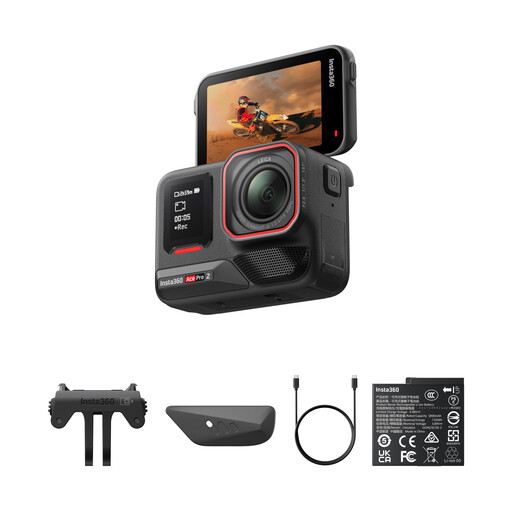
[Limited-Time Deal - Save €131] Insta360 Ace Pro 2 Dual Battery Pack – Waterproof 8K Action Camera, Leica Optics, 1/1.3" Sensor, Dual AI Chip, Low-Light Performance, Advanced Audio, Flip Screen, AI Editing
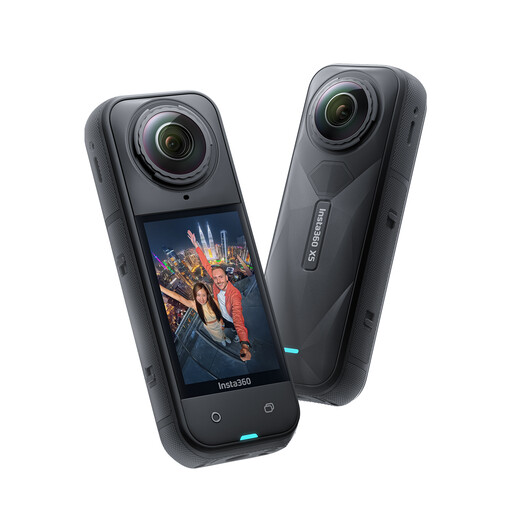
[Limited-Time Deal - Save €131] Insta360 X5 – Waterproof 8K 360° Action Camera, Low-Light Performance, Invisible Selfie Stick Effect, Replaceable Lens, 3hr Battery Life, Wind Protection, FlowState Stabilisation, Triple AI Chip
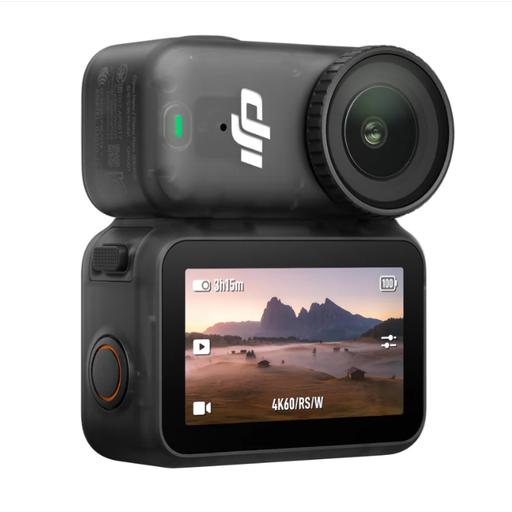
DJI Osmo Nano Standard Combo (64GB) – 4K/60fps Vlog Camera, 1/1.3" Sensor, 143° Ultra-Wide-Angle, 200 min Recording, Magnetic Mount for Sports and Vlogs
Our selection highlights three different philosophies, but the market is full of hidden gems. Are your needs different? Are you just starting out and looking for a more accessible model?
To explore a wider range, take a look at our complete selection of beginner photography gear and find the camera that's right for you.
An 8K camera captures four times as many pixels as a 4K camera. In practice, this means a much higher level of detail and, above all, immense freedom to crop the image in post-production without losing sharpness. The downside: 8K files are extremely large and require a powerhouse computer for editing. For sharing on social media or YouTube, a 4K action camera remains an excellent compromise, offering both high quality and much easier file management.
A 360 camera offers nearly infinite creative freedom, but its "reframing" process can be intimidating at first. Don't worry: manufacturers' mobile apps, like Insta360's, include AI-powered editing tools. These tools do the heavy lifting by automatically suggesting relevant camera angles and movements. This makes it a very accessible choice, even for a beginner curious about exploring new possibilities.
Most modern action cameras are natively waterproof (without a case) down to a certain depth, usually 10 metres. This is more than enough for braving the rain, a pool session, or snorkelling. However, for scuba diving at greater depths, a dedicated waterproof housing remains absolutely essential to protect your gear.