
Livraison le jour même ou le lendemain

Qualité garantie

Débloquez vos offres de bienvenue: Livraison GRATUITE | Jusqu'à -80 % | 30 jours d'essai gratuits à JoyPlus
Téléchargez l'application
The 4K TV market is a dense technological landscape. Between QLED, OLED, 144?Hz, HDR, and Google TV, it's easy to feel lost. So how do you navigate it all to find the model that truly fits your needs and budget?
Our mission: to help you make sense of it all. This buying guide is designed to decode the technical jargon, highlight the criteria that truly matter, and present our selection of the best 4K TVs for 2026. Whether you're a discerning cinephile, a passionate gamer, or searching for the perfect family screen, follow our guide to make the right choice.
Before diving into our selection, here are the key points to understand to ensure you make the right choice.
This is the first major dilemma. These two technologies dominate the market, but they aren't in the same league.
The choice, therefore, depends on your room and your priorities: the absolute contrast of OLED for a cinematic atmosphere, or the brightness and durability of QLED for everyday use.
For a top-tier experience, the spec sheet must match your needs.
The screen's diagonal and the TV's intelligence are the other two pillars of your comfort.
This comparison reviews three models that meet very different needs and budgets.
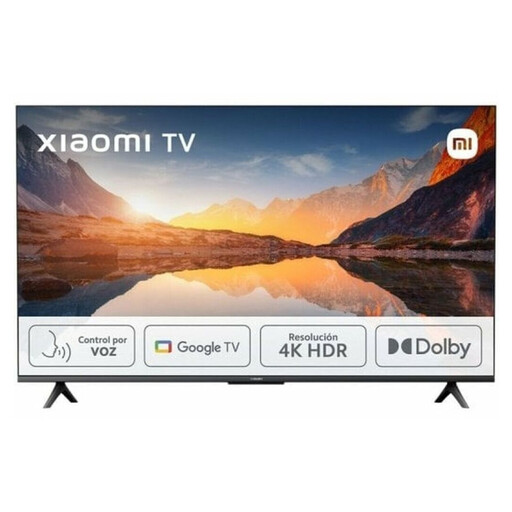
Why this model stands out: The Xiaomi TV A 2025 makes very large screens accessible. It combines a huge 65-inch panel with the simplicity and richness of Google TV, all at an unbeatable price.
Key features:
Who is it for? Ideal for families and anyone who wants a large screen for movie nights and streaming without breaking the bank. It's the perfect entry point to experience 4K in an XXL format.

Why this model stands out: This TCL model is a true technological Swiss Army knife. It combines the vibrant colours of QLED Pro with major assets for gaming and a design tailored for modern interiors.
Key features:
Who is it for? This TV is aimed at demanding users who juggle movies, series, sports, and video games. It's the balanced choice for those who want cutting-edge performance, especially in gaming, and a flawless picture even in broad daylight.
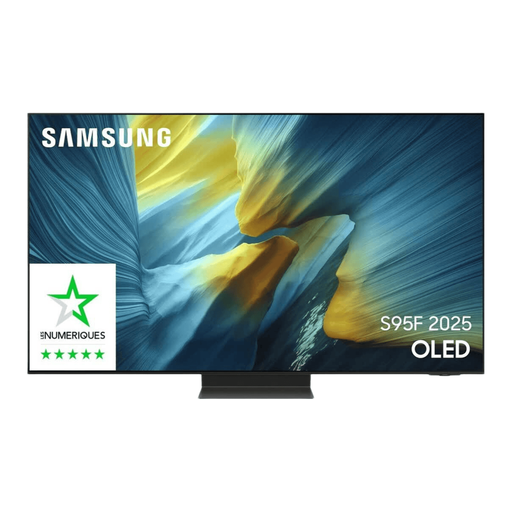
Why this model stands out: The Samsung 55S95F stands out as a high-end benchmark thanks to its QD-OLED technology. It merges the best of both worlds: the perfect blacks of OLED and the brightness of QLED, all orchestrated by a powerful AI-enhanced processor.
Key features:
Who is it for? For cinephiles and gamers who want to make no compromises on image quality. If you're looking for stunning contrast, surgically precise colours, and top-tier performance, this model is a sure thing.
Our selection covers several use cases, but the market is full of alternatives. If you want to explore other sizes, technologies, or brands, feel free to browse our complete catalogue.
Discover our full range of 4K Ultra HD Smart TVs.
To put it simply, OLED offers perfect blacks and infinite contrast, which is ideal for movies in a dark room. QLED, on the other hand, focuses on superior brightness and very vibrant colours, making it more at home in a bright living room and eliminating any risk of screen burn-in.
A 144?Hz rate means the screen displays 144 frames per second. For watching the evening news, the difference from a 60?Hz screen is almost invisible. However, for fast-paced video games, sports matches, or action movies, this fluidity changes everything: motion blur disappears, replaced by unparalleled sharpness and responsiveness.
It all depends on your viewing distance. For successful immersion in 4K, a good rule of thumb is to sit at a distance of about 1.5 times the screen's diagonal. For a 65-inch TV (165 cm), this corresponds to about 2.5 metres (8.2 feet). But ultimately, it's also a matter of personal taste.