
Livraison le jour même ou le lendemain

Qualité garantie

Débloquez vos offres de bienvenue: Livraison GRATUITE | Jusqu'à -80 % | 30 jours d'essai gratuits à JoyPlus
Téléchargez l'application
By Joybuy, High-Tech Expert | Published July 10, 2026
Buying a high-end television is a significant investment. Faced with an overwhelming number of options and sometimes obscure technical jargon, it can be difficult to know where to start. Whether you're a cinephile seeking total immersion or a demanding gamer looking for ultimate responsiveness, your goal is the same?: to find that hidden gem, the perfect 4K OLED TV for you.
This guide is here to give you clear insights and objective selection criteria. We will decode the spec sheets and present the best models currently available to help you see more clearly and make the right choice.
Before diving into our OLED TV comparison, let's review the essential technical criteria to keep in mind.
The main weakness of OLED technology has long been its performance in bright rooms. However, recent models have made considerable progress. Pay close attention to brightness-enhancing technologies (like WOLED panels with microlenses or QD-OLED panels) and the quality of the anti-reflective OLED TV filter. A good filter can radically transform your daytime viewing experience by neutralising distracting reflections.
For gamers on the latest generation of consoles (PS5, Xbox Series X) or PC, connectivity is paramount. Make sure the TV has several HDMI 2.1 ports. This standard is essential to enjoy a 4K 120Hz gaming TV experience (or even higher). Also, check for support for variable refresh rate technologies like VRR (Variable Refresh Rate), NVIDIA G-Sync, or AMD FreeSync Premium, which ensure a smooth, tear-free image.
A spectacular picture deserves sound to match. Most high-end televisions are Dolby Atmos compatible, a format that delivers three-dimensional, enveloping sound. Some manufacturers go even further with innovative technologies, such as systems where the screen itself acts as a speaker. Although a soundbar is still a recommended option for a complete cinema experience, the TV's native audio quality is a real everyday bonus.
Here are three models that stand out from the crowd and will satisfy the most demanding users.
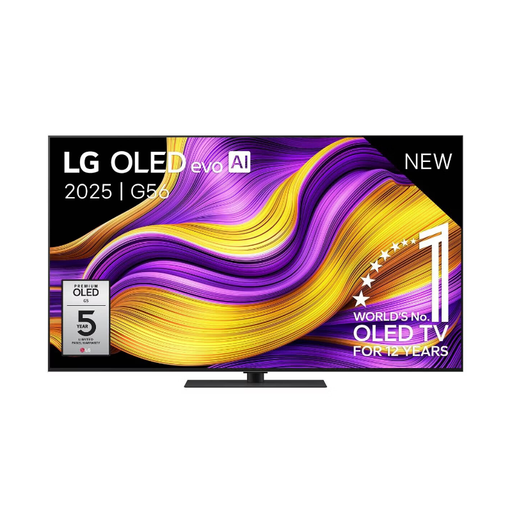
Why It Stands Out
The LG G5 positions itself as a benchmark for versatile users, excelling in both cinema and gaming. It features a latest-generation OLED evo panel with Brightness Booster Ultimate technology, which promises record-breaking peak brightness. Its anti-reflective coating, which LG claims absorbs over 99% of ambient light, makes it particularly suitable for bright living rooms. For gamers, its native 120Hz panel, capable of reaching 165Hz, and its four HDMI 2.1 ports make it a top-tier ally.
Pros
Who is it for?
The most demanding gamers and users who want to place their TV in a bright living room without compromising on the image quality and infinite contrast of OLED.
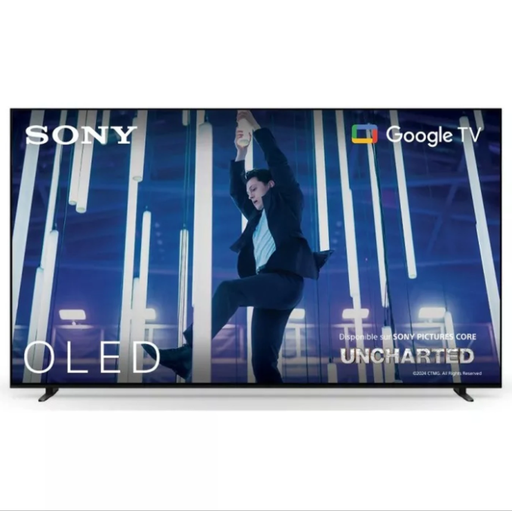
Why It Stands Out
Sony continues to focus on the harmony between picture and sound. The BRAVIA 8 stands out with its Acoustic Surface Audio+ technology, where the screen vibrates to produce sound, creating a perfect sync between what you see and what you hear. On the image side, the XR Cognitive Processor analyses content for a rendering that aims to be as close as possible to human eye perception. It's the go-to choice for cinephiles seeking a coherent and natural audiovisual experience.
Pros
Who is it for?
Image and sound purists, and cinephiles who prioritise video processing and a high-quality integrated audio experience for their films and series.
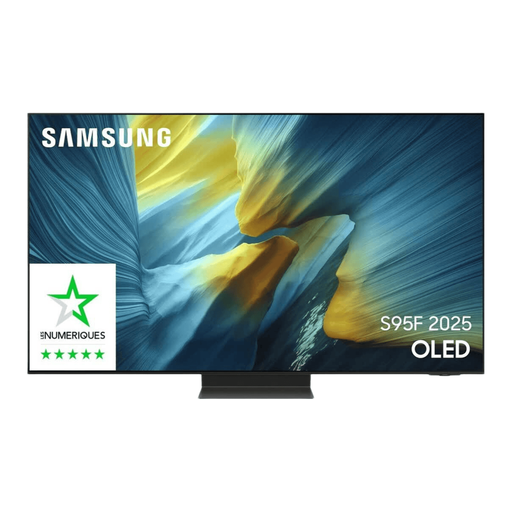
Why It Stands Out
The Samsung S95F uses QD-OLED technology, which combines the perfect blacks of OLED with the rich colours of Quantum Dots. The result is an image with vibrant colours and high colour volume. The Neural Quantum 4K processor relies on artificial intelligence to optimise every scene. With a 144Hz refresh rate, it also positions itself as a serious competitor in the gaming segment, especially for PC gamers. The LG OLED G5 vs Samsung S95F showdown often comes down to a preference between the former's peak brightness and the latter's colour saturation.
Pros
Who is it for?
Fans of vibrant, colourful images and PC gamers looking to get the most out of their hardware with a high-refresh-rate screen.
Our selection focuses on premium models targeting specific uses. Of course, the market is full of other options, whether in terms of size, technology, or budget.
If these models don't fully match your criteria or budget, feel free to explore our complete collection of 4K Smart TVs to find the right model for you.
1. What is the difference between OLED, QLED, and QD-OLED?
2. Is a 65-inch OLED TV suitable for my living room?
The ideal screen size depends primarily on your viewing distance. For a 65-inch OLED TV (165 cm diagonal) in 4K resolution, a viewing distance of between 2 and 2.5 metres (6.5 to 8.2 feet) is recommended. This allows for an immersive experience without being able to see individual pixels.
3. Is OLED technology prone to burn-in?
Burn-in is a theoretical risk associated with the prolonged display of static images (channel logos, game interfaces). Manufacturers have integrated multiple software and hardware protections (pixel shifting, panel cleaning, logo brightness reduction) to drastically limit this risk during normal, varied use.