
Livraison le jour même ou le lendemain

Qualité garantie

Débloquez vos offres de bienvenue: Livraison GRATUITE | Jusqu'à -80 % | 30 jours d'essai gratuits à JoyPlus
Téléchargez l'application
Whether you're tearing down mountain bike trails, cruising on your motorcycle, or exploring the ocean depths, capturing your exploits in flawless clarity is non-negotiable. With a dizzying array of action cameras on the market, finding the perfect one can feel like a daunting task. This guide is here to cut through the noise, decode the spec sheets, and introduce you to the top models for filming your adventures in ultra-high definition.
Before diving into our selection, let's review the key factors that will make your purchase a success, perfectly tailored to your needs.
4K resolution is now the standard for detailed, immersive videos. But be warned: high resolution is useless without excellent stabilisation, or you'll end up with nausea-inducing footage! Prioritise a camera with electronic image stabilisation (EIS). This technology digitally smooths out shakes and vibrations, a must-have for action-packed sports. Effective stabilisation guarantees fluid sequences, whether the camera is mounted on your motorcycle helmet or attached to your MTB handlebars.
A waterproof sports camera is a prerequisite for most outdoor activities. Be careful not to get confused, as there are two main types:
The form factor also matters. A small onboard camera will be more discreet and much easier to mount on your gear.
Certain features can radically transform your experience. A dual screen, for example, is a real bonus for vlogging, as it allows you to perfect your framing in the blink of an eye. Wi-Fi connectivity is also a major asset for transferring your raw footage to a smartphone and sharing it on the spot. Finally, take a look at the recording modes (slow motion, time-lapse, loop recording, etc.) to ensure they match your creative ambitions.
Here are the models that caught our eye, each with its own unique strengths.
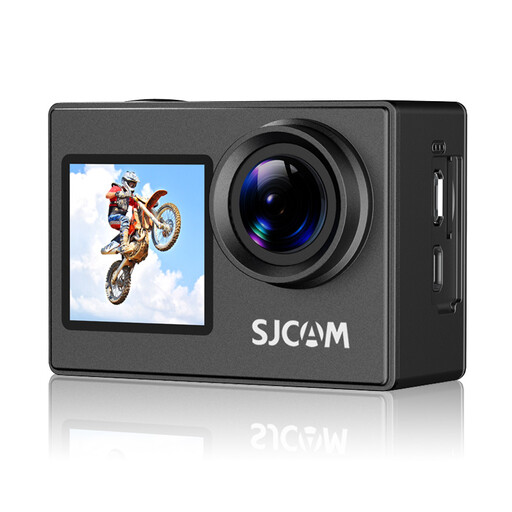
Why it stands out?: The SJ4000 is an excellent entry point for anyone looking to get into action video without breaking the bank. Its dual screen is a major advantage in this price range, ideal for perfecting your framing for vlogs or selfies.
Key features?:
Who is it for? Ideal for beginners and occasional content creators looking for an affordable, all-in-one solution to get started.
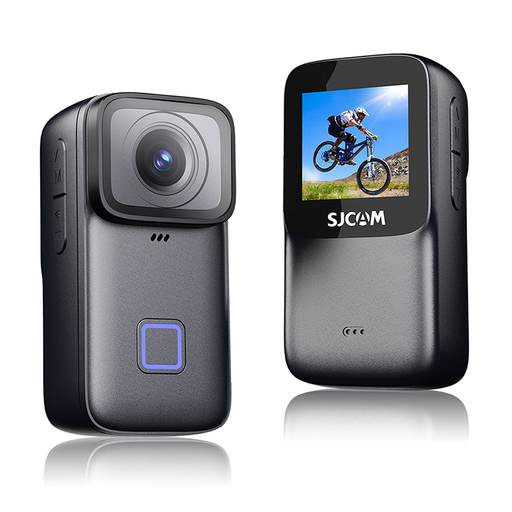
Why it stands out?: The C200 Pro focuses on compactness and cutting-edge stabilisation. Its pocket-sized format makes it an excellent small onboard camera, while its 6-axis gyroscope ensures stunningly smooth footage.
Key features?:
Who is it for? Perfect for athletes and adventurers who demand a robust, discreet, and high-performance camera, especially as a motorcycle camera or for any activity where vibrations are a concern.
Shooting in 4K is great. Being able to comfortably review your footage in the field is even better. For nomadic vloggers and content creators on the go, a portable monitor is an invaluable ally. It allows you to check the quality of your takes on a large screen without waiting to get back to your home base.
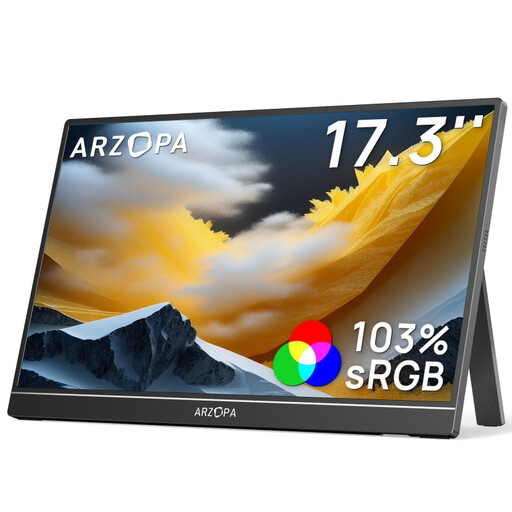
Why it stands out?: This screen offers a very comfortable workspace for reviewing footage or editing on the move. Its large 17.3-inch diagonal and Full HD resolution make it an excellent second monitor for a laptop.
Key features?:
Who is it for? For nomadic creators, photographers, and videographers who want a larger screen to preview, sort, or even start editing their 4K footage directly in the field.
If the idea of an external monitor to boost your productivity appeals to you, know that there are a multitude of options available. Whether you need a more compact model, higher resolution, or dedicated gaming features, exploring a wider range will help you find the perfect tool for your setup.
? Discover our full range of large-screen monitors to find the right model for your setup.
1. Can a 4K action camera compete with a GoPro?? GoPro has long reigned supreme in the market. Today, many brands offer excellent GoPro alternatives, often with unbeatable value for money. Models like those from SJCAM pack advanced features (stabilisation, dual screen) that cover the needs of most users, from beginners to experts.
2. What's the difference between electronic (EIS) and optical (OIS) stabilisation?? Optical image stabilisation (OIS) relies on micro-motors in the lens to physically compensate for movement. It is often more effective, but also more expensive and fragile. Electronic image stabilisation (EIS), on the other hand, uses algorithms to crop the image in real-time to cancel out shakes. It's the leading technology in action cameras because it's robust and delivers excellent results at a controlled cost.