
Livraison le jour même ou le lendemain

Qualité garantie

Débloquez vos offres de bienvenue: Livraison GRATUITE | Jusqu'à -80 % | 30 jours d'essai gratuits à JoyPlus
Téléchargez l'application
The excitement builds as a multi-day trip approaches. But be warned: choosing your gear can quickly turn into a real headache. A poorly fitted, overly heavy, or simply uncomfortable backpack has the power to turn a dream adventure into a total nightmare. For 2-to-3-day hikes, a 40-litre capacity often strikes the ideal balance between carrying capacity and agility.
This guide is designed to give you clear benchmarks for choosing the 40L trekking backpack that truly meets your needs, all without unnecessary marketing jargon. We'll break down the essential criteria before presenting a selection of models that have caught our eye.
Before diving into specific models, it's crucial to understand the features that make all the difference on the trail. Here are three points to consider to make an informed choice.
A good trekking pack is much more than a simple container. It's an ingenious system designed to transfer the load from your shoulders to your hips—the area of your body best equipped to support weight over long distances.
During a multi-day hike, organising your gear is paramount. A well-designed pack will save you precious time and energy.
Your pack will be exposed to branches, rocks, and the whims of the weather. Its durability is therefore a non-negotiable criterion.
Here are a few models that stand out for their technical features and design, suited for different user profiles.
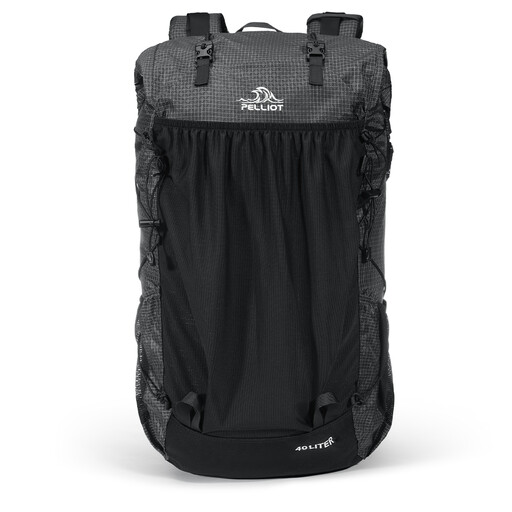
Why it stands out: This model is an excellent example of a technical unisex trekking pack. It incorporates an alloy frame designed to distribute the load optimally, relieving pressure on the shoulders and back. According to the manufacturer, its dynamic harness technology allows the shoulder straps to follow your movements, thereby reducing fatigue.
Advantages:
Who is it for? For hikers and trekkers planning 2-to-3-day outings who are looking for a technical pack focused on carrying comfort and excellent weight distribution.
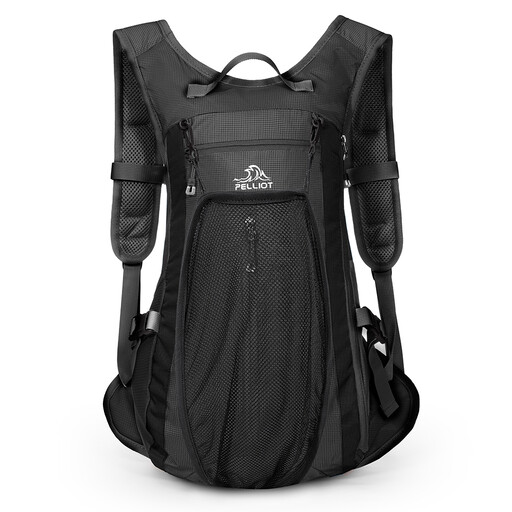
Why it stands out: With its more modest capacity, this pack is a relevant alternative for those engaged in more dynamic activities. Its design is focused on stability, lightness, and quick access, with an ergonomic harness that hugs the body to minimise bouncing.
Advantages:
Who is it for? Ideal for athletes seeking a compact and high-performance pack for day trips, trail races, or fast hikes where lightness and stability are the priorities.
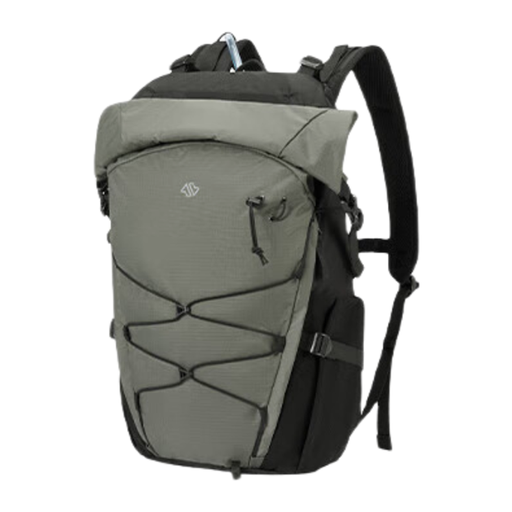
Why it stands out: This model is all about versatility. At 25 litres, it's suitable for day hikes, but also as a travel bag or for everyday use. Its main asset is its ventilated back, which enhances comfort during prolonged wear.
Advantages:
Who is it for? Perfect for casual hikers, younger users, or anyone looking for a do-it-all pack that can accompany them from a Sunday hike to the daily commute.
Do the models in our selection not check all your boxes? Every hiker is unique, with specific needs regarding volume, features, or style. To explore a wider range of options, feel free to browse our complete collection.
1. What can you fit in a 40L backpack? A 40-litre volume is generally sufficient for a self-sufficient 2-to-3-day trip (excluding extreme winter conditions). You can fit a compact sleeping bag, a sleeping pad, a change of clothes, a waterproof layer, food for 2-3 days, a toiletry kit, a first-aid kit, and small camping gear (stove, cook pot).
2. Is a 40L pack big enough for a 3-day trek? Yes, for most 3-day treks in spring, summer, or autumn, 40 litres is a suitable capacity. However, this requires prioritising modern, compact gear. If you plan to carry a bulky tent, a lot of cooking equipment, or clothing for very cold conditions, a 50-litre volume might be more comfortable.
3. How do you properly adjust a trekking backpack? A precise fit is crucial. Start by loosening all the straps. Position the hip belt over your iliac crest (the hip bones) and tighten it. Next, tighten the shoulder straps so the pack sits snugly against your back. Adjust the load lifter straps (located above your shoulders) to pull the top of the pack towards you. Finally, adjust the sternum strap to stabilise the shoulder straps. The majority of the weight should rest on your hips, not your shoulders.